
Silicone coatings are used to extend the life of a worn roof without moving straight into a full replacement. When the system is a good fit, silicone can add waterproofing, improve reflectivity, and help protect the roof from more surface wear. Still, that does not mean every project turns out well. Most issues start before the product has a fair chance to perform.
In many cases, the issue is not silicone itself. The trouble usually comes from poor prep, bad detail work, or using coatings on a roof that was never a good candidate. That is why owners need to understand what can go wrong, what causes early failure, and what separates a sound project from one that creates new headaches.

What Silicone Coatings Are Meant to Do
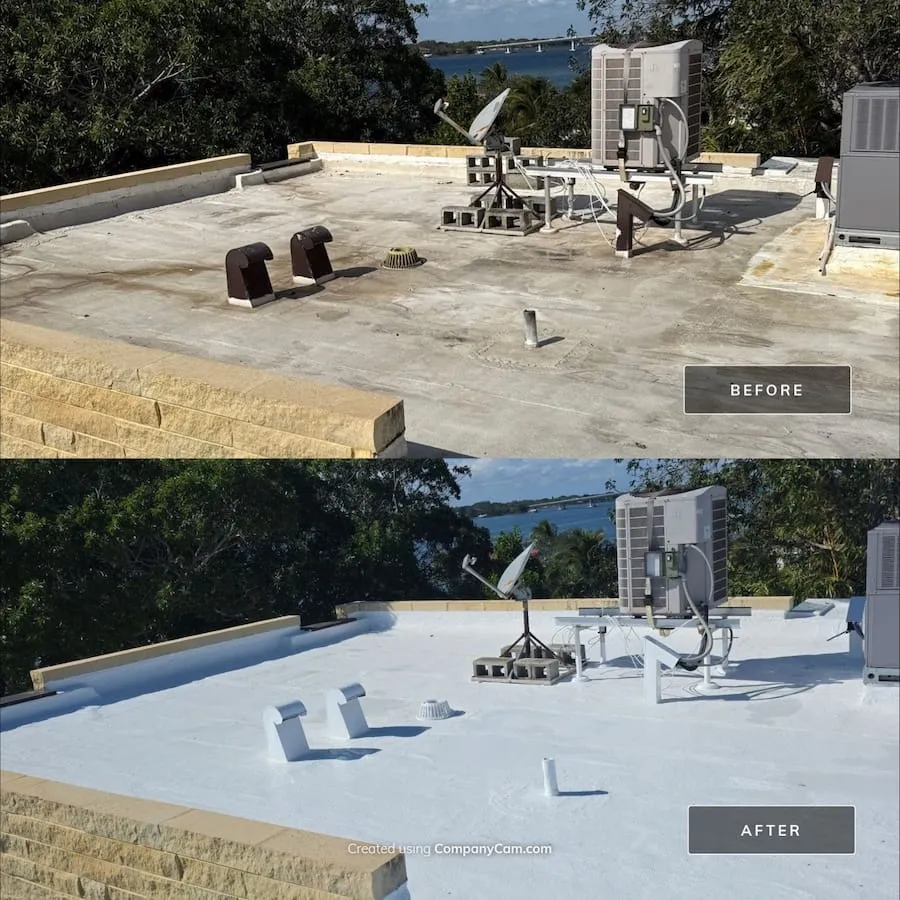
Silicone coatings create a fluid-applied membrane over an existing roof. The goal is to form a continuous waterproof layer that helps protect aging surfaces from sun, rain, and normal weathering. In commercial roofing, this approach is often used when the structure is still serviceable but the top layer has begun to wear down.
Properly installed coatings can help delay replacement, give the roof more useful life, and improve energy savings by reflecting more sunlight and reducing heat buildup at the roof surface. It can also improve performance in areas where UV exposure and standing water are ongoing concerns. That said, a roof coating is not a cure-all. It works best when the existing system is dry, stable, and worth restoring.
Proper Coating Installation
Proper roof coating installation starts long before the silicone coating is spread across the roof. The surface needs to be cleaned thoroughly, dried fully, and inspected for seam issues, wet insulation, open penetrations, and other weak spots that could affect performance. Any needed repair work should be completed first so the roof coating is not being used to cover over deeper issues. From there, the installers need to use the right primer when required, follow the manufacturer’s coverage rates, and apply the material at the proper thickness across the full roof surface.
Careful attention around flashings, drains, seams, and penetrations is especially important because those areas are more likely to fail early if the install is rushed. Good coating installation comes down to preparation, detail work, and consistency. Even high-quality silicone coating systems can underperform when the process is rushed or sloppy.
Once the surface has been coated, the success of the system depends on how well the roof was prepared, how carefully the details were handled, and whether the coating was used in the right situation to begin with. When one of those areas is missed, the resulting problems are usually predictable. Below are some of the most common issues that can affect silicone-coated roofs over time.
The most common problems of silicone coatings usually fall into the following categories:
Limited Adhesion to the Surface
Poor adhesion is one of the most common problems with silicone coatings. If the product cannot bond to the surface, sections may peel, lift, or separate over time. That usually points back to prep, compatibility, or moisture that was never addressed. A dirty surface can interfere with bonding. Oils, dust, chalking, and residue from older materials can all create issues for silicone coatings. The wrong primer can also weaken the bond. When that happens, the roof coating may look fine at first, then begin showing signs of stress after weather exposure and movement across the roof.
Blistering and Bubbling
Blistering can develop when the roof surface is not properly prepared, when underlying materials are not fully cured, or when the roof coating is applied under poor conditions. Manufacturers also warn that issues such as off-gassing, oil migration, humidity, dew, and inadequate cure time can contribute to blistering or other coating issues on certain substrates. For that reason, blisters should not be ignored. They can signal that the roof was not ready for coating or that the installation conditions were not properly controlled.
Thin Coverage and Uneven Thickness
A roof coating has to be applied at the proper thickness to perform as intended. If coverage is too thin, the surface may wear faster and lose waterproofing strength sooner than expected. Uneven thickness can also create inconsistent performance across the system. This matters even more when using high-solids silicone. Spread rates need to match the specification, and the crew has to pay close attention to detail. A project should not be judged by appearance alone. The roof coating needs enough material in the right places to handle movement, weather, and normal wear.
Trouble at Seams, Flashings, and Penetrations
Many failures begin in the details, not in the open field. Seams, flashings, penetrations, and drain transitions move more than the rest of the roof. They also tend to take on more stress during weather changes. If those areas are not reinforced correctly, they often become the first place where damage to silicone systems is revealed. This is one reason detail work matters so much during roof installation. A project can look clean from a distance while still having vulnerable points around curbs, edges, and pipe penetrations. Once water finds those areas, leaks can develop even when the rest of the roof still looks solid.
Ponding Water Still Matters
Silicone coatings can resist ponding water better than other roof coatings, which is one reason it is often selected for low-slope work. Even so, standing water should not be ignored. It usually points to drainage issues, settling, or design limitations that the roof coatings alone will not solve. When water sits in the same area for long periods, dirt and debris collect faster. That buildup can reduce reflectivity and place more stress on vulnerable details. Silicone roof coatings may hold up well in wet areas, but they do not eliminate the need to correct the conditions that caused the water to pool.
Dirt Pickup and Lost Reflectivity
Dirt pickup has long been one of the more common concerns with silicone roof coatings. As dust, airborne residue, and organic debris collect on the surface, the roof can lose some of its whiteness over time. When that happens, aged solar reflectivity may drop as well, which can reduce part of the performance benefit owners expect from a reflective roof coating. Manufacturers have addressed this by developing newer silicone formulas that are specifically marketed for dirt-pickup resistance, but the issue still needs to be considered when comparing products and setting long-term expectations.
Wet Conditions and Foot Traffic Create Added Risk
Silicone-coated roofs can become slippery when wet, which creates a safety concern for maintenance crews, service technicians, and anyone else who needs roof access. Rain, dew, humidity, or even routine surface moisture can make footing less secure, especially in areas that are already seeing regular traffic. At the same time, repeated foot traffic and hydraulic spray equipment can wear down those same paths faster than the rest of the roof. Over time, service zones and walk paths may thin out, lose protection sooner, and place more stress on vulnerable details. That is why roofs with regular traffic often need designated walk areas or added protection to help reduce both safety risks and premature wear.
Roof Compatibility Still Has to Be Verified
Not all systems respond the same way to silicone coatings. Older repairs, existing membranes, and previously coated roofs can all affect how well a new system performs. That is why testing and planning are so important before installation begins. The contractor should identify what product is already on the roof, evaluate its condition, and confirm that the new roof coating will bond properly. In some cases, extra cleaning, surface preparation, or adhesion testing is needed before moving forward. Skipping that step increases the chances of a roof coating problem and makes the long-term result less predictable.
Only Silicone Properly Bonds to Existing Silicone
Another challenge with silicone coatings is that once it is on the roof, future repairs become more limited. In general, you cannot count on other patching materials or acrylic coatings to bond properly over an existing silicone surface. If a repair is needed later, the patch usually has to be silicone as well, and the area still has to be cleaned and prepared correctly before the work begins. Incompatibility with other materials makes repair planning more specific than it is with some other systems and gives property owners one more reason to make sure the original installation is done right the first time.
A Silicone Coating Cannot Fix Every Roof Condition
One of the biggest mistakes in flat roofing is assuming a roof coating can solve every issue. It cannot. If the insulation is saturated, the deck is failing, or the assembly has widespread instability, covering it with silicone coatings will not create a lasting fix. Before applying silicone coatings, the contractor needs to decide whether the roof is worth restoring. Some roofing systems need targeted repairs before the roof coating work begins. Others are too far gone and need replacement instead. The right answer depends on condition, not on what seems cheapest in the moment.
How to Reduce the Risk of Coating Mistakes
The best way to reduce the risk of coating mistakes is to start with a realistic inspection and a disciplined plan. The roof must be dry, stable, and worth restoring. The crew must clean the surface well, address defects, and follow the manufacturer requirements from start to finish.
Good roof results with silicone coatings also depends on workmanship. That includes prep, detail reinforcement, material coverage, and proper timing. The coatings application should never be rushed. Owners who schedule inspections after the work is complete are more likely to catch wear early and extend the life of the silicone roof coating.
What Property Owners Should Remember
Though acrylic roof coatings may appear to be the better cost efficient roofing option upfront, silicone coatings are proven to extend the life of an aging roof. However, they only work when the conditions are right. Most issues come from poor prep, bad detailing, incompatible surfaces, or rushed work. When those basics are handled correctly, silicone coatings can deliver real value.
The key is to look at the full condition of the roof before moving forward with coatings. A sound plan, the right products, and careful workmanship matter more than a quick sales pitch. That is what helps a coating project perform the way it should over time, especially on aging roofs.
Routine roof maintenance matters because even properly installed silicone coatings can wear out faster when drains stay clogged, debris builds up, and small detail failures go unchecked over time. Poor ponding water resistance can lead to more stress on the roof, dirt collects faster, and vulnerable areas around seams, flashings, and penetrations are more likely to break down. Regular roof inspections help catch early wear before it turns into a leak, while basic upkeep helps preserve reflectivity, protect high-traffic areas, and extend the useful life of the coatings.
Schedule a Free Roof Inspection
If you are dealing with aging flat or low-slope roofing and want clear, honest guidance on whether a coating is the right move, reach out to Whiting Roofing. With more than 40 years of experience in industrial and commercial roofing across South Florida, our team understands how to evaluate roof conditions, identify the real source of issues, and recommend practical solutions. We provide free inspections and quotes, along with silicone roofing restoration, SPF, coatings, repairs, and maintenance services. Our team is also certified in coating applications and backed by the manufacturer, giving property owners added confidence that the system is being handled by a professional who understands how different products perform in Florida’s climate.