Silicone Roof Coating
At Whiting Roofing, we help property owners restore flat and low-slope roofing systems with silicone so they can stop leaks, improve performance, and avoid the expense of a full replacement before it is truly necessary.
Silicone restoration is designed for roofs that are weathered, worn, or beginning to fail at the surface level but still have usable life left in the system underneath. It can help address common issues like recurring water entry, open seams, surface wear, and weather-related damage while creating a new waterproof surface across the rooftop.


How Is a Silicone Roof Restored?
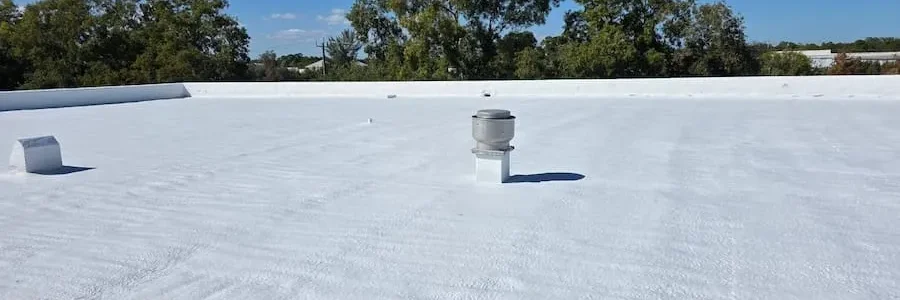
A process used to renew the surface of an existing flat or low-slope roof. Instead of removing the full system, it is cleaned, repaired where needed, reinforced at vulnerable details, and covered with a liquid-applied silicone membrane. Once cured, that membrane forms a continuous layer.
This type of restoration is commonly used on roofing systems such as modified bitumen, TPO, EPDM, metal, and spray foam. The exact scope depends on the roof’s condition, but the work often includes seam repair, flashing reinforcement, crack treatment, surface preparation, and installation of silicone roofing systems at the proper thickness. It is a coating that can be applied when the existing system is still serviceable and properly prepared.
We commonly restore the following types of roofs:
- Modified bitumen
- EPDM and TPO single-ply
- Metal roofing systems
- Spray polyurethane foam (SPF)
Here’s what you need to know:
- Material: Liquid-applied silicone that cures into a flexible, seamless membrane across the restored surface.
- Applications: Used to restore aging flat and low-slope roofs that are still in serviceable condition and may not require tear-off. The application has to match the existing system and job conditions.
- Lifespan: A proper restoration can often gain 10 to 20 additional years of use, depending on condition and system design.
- Finish: Most systems cure to a bright, reflective finish that helps reduce heat absorption and protects the roof from UV exposure and UV rays.
Get a Free Quote
Why Choose Roof Restoration?
Restoration makes sense when the existing system still has value, but the surface is no longer performing the way it should. Instead of continuing to spend money on scattered repairs or moving straight into a full replacement, restoration gives property owners a way to address the roof more strategically. It is often the right fit for buildings that need more than a patch but do not yet need a full tear-off.
- It helps you get ahead of bigger problems: Restoration allows you to deal with weak seams, worn surfaces, and early trouble points before they turn into more expensive damage.
- It reduces disruption to the property: A restoration project is usually less invasive than a full replacement, which helps limit noise, debris, and downtime across the building.
- It gives you a clearer long-term plan: instead of reacting to one issue after another, restoration gives the roof a renewed surface and a more predictable path forward.
- It makes better use of a roof that still has serviceable life left: when the structure underneath is still in good condition, restoration can be a more practical investment than removing the whole system too early.
- It can improve performance across the entire surface: rather than fixing isolated trouble spots only, restoration addresses the roof as a system and strengthens the areas most likely to fail first.
We have completed restoration projects on offices, industrial buildings, retail properties, multifamily buildings, and homes with flat sections. For many owners, the value comes down to making a smart move at the right time instead of waiting until the only option left is replacement. In the right setting, a restoration roof plan can help extend service life without the disruption of a full replacement.
Benefits of Restoring a Roof With Silicone
Handles Ponding Water Better Than Many Alternatives
Flat roofs do not always drain perfectly, especially after years of wear. Silicone is known for performing well in areas where water tends to sit longer after rain. That makes it a strong option for those with drainage challenges that need a restoration system built for real conditions.
Reflects Heat and Sunlight
Silicone systems are often installed in a bright, reflective finish that helps reduce rooftop heat buildup. That can help protect the roof surface from UV exposure and UV rays and may improve indoor comfort and cooling efficiency during hot weather.
Reduces Ongoing Repair Headaches
Older roofs often turn into a cycle of small repairs, repeat service calls, and constant monitoring. Restoration helps create a more uniform surface, which can make the roof easier to manage and reduce the need for frequent patchwork. Many roof coatings are chosen for this reason.
Extends the Service Life of the Existing Roof
When the underlying roof is still in workable condition, restoration can add years of use without forcing a full tear-off. That gives owners more time to plan ahead and get more value out of the existing system.
Lowers the Cost of Major Roof Work
Restoration is typically more affordable than full replacement because it avoids the labor, disposal, and material costs that come with tearing off the entire system. For many properties, that makes it a practical way to address roof problems without taking on a much larger project. Compared with other roof coatings, silicone can be a strong fit where standing water is a concern.
Helps Extend a Solid Roof System
Silicone can also help protect most roof surfaces that are still structurally sound and properly prepared. The key is choosing the right system, the right coating thickness, and the right method for the building.
Can Your Roof Be Restored With Roof Coatings?
Not every roof should be restored. A good candidate has a deck that still carries load, insulation that is mostly dry, and an existing surface that can still bond to a new system after repairs and prep. If it has isolated entry points, worn seams, or surface aging, restoration may still work. If the deck is damaged, the insulation is wet in multiple areas, or the system is coming apart, restoration usually is not the right fix.
Your roof will most likely qualify for restoration if:
- The deck is still sound, meaning it is not badly rusted, rotted, cracked, soft, or deflecting, and it is strong enough to support the existing roof and the restored system.
- The insulation is mostly dry because wet insulation should be removed, not sealed in under a coating or restoration system.
- Damaged areas are limited and repairable, so seams, flashing, penetrations, and small sections of failed material can be fixed without rebuilding the whole system.
- The existing surface will accept the new system, which is why adhesion testing matters on many types of existing coated surfaces.
- There are no major incompatibility issues, such as existing conditions or materials; the new system should not be installed without special review.
Limitations: Restoration is not the right move when moisture is widespread, the deck has lost integrity, or too much of the roof assembly has to be replaced first. In those cases, replacement is usually the better option.
Before we recommend a silicone roof coating be restored, we inspect the roof and verify what is happening below the surface. That can include moisture scans, core cuts, and adhesion testing, along with close review of drainage, seams, flashing, and penetrations. The point is to confirm it can actually be restored, not just covered over.
We also review existing roof coatings, older coatings, and the condition of the substrate below them. Not all coatings perform the same, and some silicone coating systems will require different prep depending on what is already in place.
Our Roof Coating Process
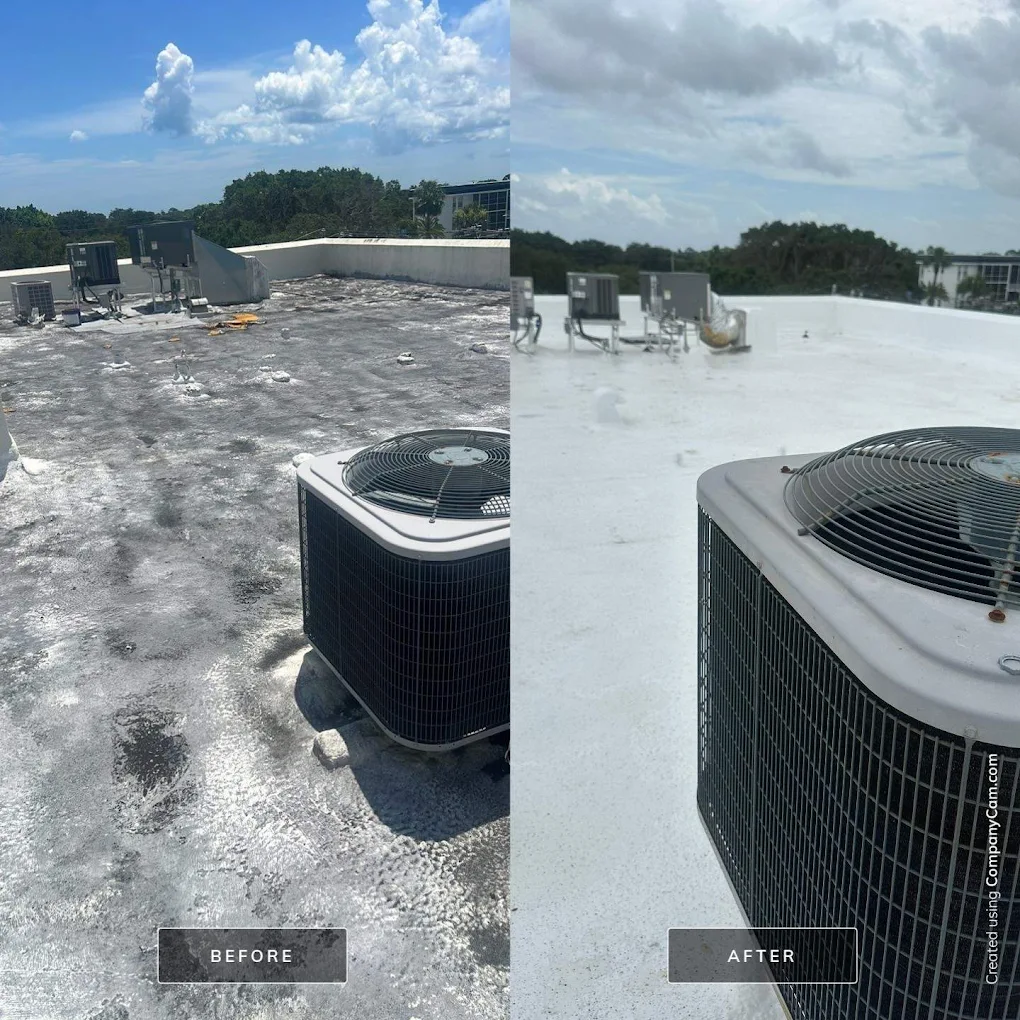
Step 1: Roof Evaluation
Every restoration project starts with understanding the condition of the roof. We inspect the membrane, drainage, flashing, penetrations, and any signs of trapped moisture. This helps us determine whether restoration is the right path and what repairs need to happen first. It also helps us decide whether a roof coating or one of several roof coatings is the better fit for the building.
Step 2: Repairs and Surface Prep
Before silicone is installed, the surface has to be properly prepared. We clean, remove debris, and address trouble spots such as open seams, cracks, weak flashing details, and other vulnerable areas. Good prep work is one of the biggest factors in how well the finished system performs.
This stage also matters because silicone roof coating products need a clean, stable surface for proper adhesion. Some roofing materials may require added prep, and some conditions may call for a primer before the roof coating is installed.
Step 3: System Preparation
Some roofs need a primer or additional reinforcement before the restoration membrane is applied. That depends on the roof type and surface condition. We follow the product requirements for the specific system we are restoring so the system bonds and performs the way it should.
At this point, we also confirm whether the silicone coating is the right match for the project. A silicone coating may be installed differently depending on the substrate, and that application detail matters. On some projects, manufacturers such as GAF Silicone or Gaco Silicone may have specific requirements for coating thickness, reinforcement, and application.
Step 4: Silicone Application
Once the repairs and prep are complete, we apply the silicone system across the surface. The material is spread at the correct thickness based on the roof condition and the system being installed. The goal is complete, even coverage that creates a durable waterproof membrane.
This phase is where the silicone roof, silicone coating, and overall roof coating system come together. The final surface needs to be uniform, properly cured, and built to handle normal exposure on the building.
Step 5: Final Review and Protection
After installation, we inspect the completed work and verify that all details were addressed properly. Depending on the system and project scope, warranty options may also be available. By the end of the process, it has a renewed surface built to resist water, sunlight, and everyday weather exposure.
Some silicone coatings cure with high solids content, which helps them hold up well over time. That is one reason silicone roof systems are often chosen for long-term protection. When done correctly, the completed building benefits from a restored surface that is easier to maintain.
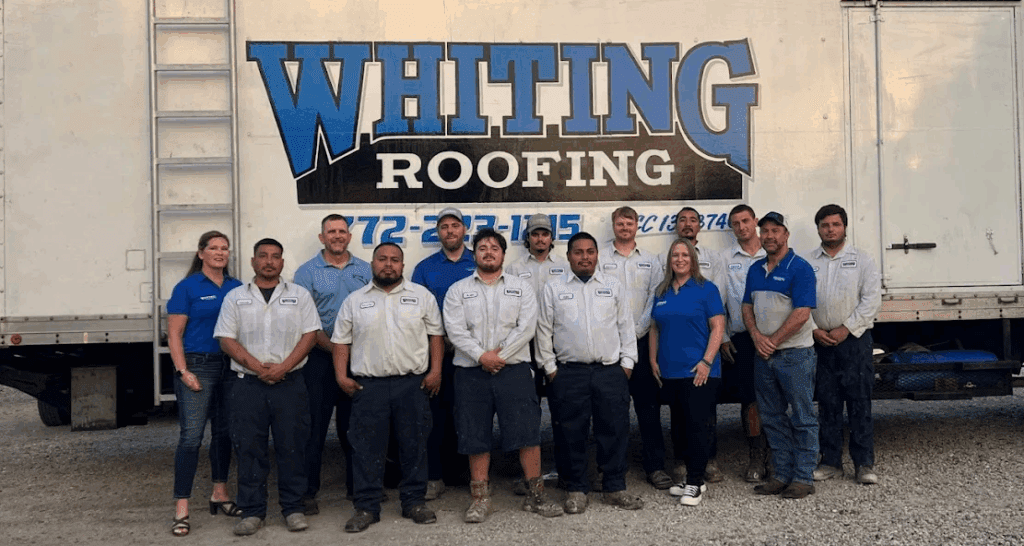
Why Property Owners Choose Whiting Roofing
We evaluate each roof based on its actual condition, not a standard formula. Age, drainage, seam condition, past repairs, flashing, and moisture all play a role in what the roof needs and whether restoration makes sense.
Our team works on roofing systems that deal with constant sun, rain, and standing water. We understand how minor issues can turn into larger problems, and we know how to prepare a roof properly so the restoration system has a better chance to perform as intended.
Property owners choose us because we pay attention to the details, communicate clearly, and give honest recommendations about whether a roof is a good candidate for restoration. That matters whether the project involves a silicone roof, a silicone coating, or a larger roof coating scope for the whole building.
Real References: We can connect you with property owners who have trusted us to complete similar work.
Licensed and Insured: Your project is handled by a qualified roofing contractor with the right protections in place.
Get a Free Quote!
FAQ Regarding Silicone Roofing
Roof restoration keeps the existing system in place, repairs the areas that need attention, and adds a new protective system over the surface. Replacement removes part or all of the existing system and installs a new roofing assembly. Restoration is usually the better option when the deck is sound, the insulation is mostly dry, and it can still support a new system. Replacement is usually the better choice when there is widespread moisture, major deck damage, or too much of it has failed to build over safely.
It can fix many problem sources, but it should not be treated like a shortcut for an actively failing system. Leak entry points, wet areas, open seams, flashing issues, and damaged sections should be found and repaired before the silicone system is installed. The restoration system then adds a continuous protective surface that helps prevent future problems.
A silicone system can often add around 10 to 20 years of service life, depending on the roof condition, the thickness installed, the amount of prep and repair work completed first, and how it is maintained afterward. Warranty length may also vary by system and manufacturer requirements. A silicone roof coating is only as good as the prep, repairs, and application behind it.
Silicone roofs usually cost less than a full replacement, but the price depends on the roof’s condition, the amount of prep work required, the coating thickness, and the warranty length. A common ballpark range for commercial restoration is about $3.50 to $7.00 per square foot, and roofs with more repairs, wet areas, primer needs, or complex details will land higher in that range.
Wet insulation usually cannot stay in place under a restoration system. If moisture scans or core cuts show wet areas, those sections typically need to be opened, removed, and replaced before the silicone system is installed. The goal is to restore a system that is dry, stable, and able to support the new system, not trap moisture underneath it.
Get a Free Silicone Roof Assessment
Restoration offers great protection when your roof is aging, leaking, or wearing down at the surface but still has usable life left in the system. Instead of putting money into constant repairs or rushing into replacement, restoration may give you a more practical way to protect the building and extend its life.
Call Whiting Roofing to schedule your free evaluation. We will inspect it, explain what we see, and give you a clear recommendation based on the actual condition of the system.