
Silicone Roof Coating
At Whiting Roofing, we help property owners extend the life of their residential and commercial roofs without the cost or disruption of a full replacement. One of the most reliable and cost-effective ways to do that is with silicone roof coating. It’s a liquid-applied membrane that seals, protects, and revitalizes flat and low-slope roofing systems. Whether you’re dealing with ponding water, UV degradation, or cracking seams, silicone coating gives your roof a second life.
If you’re curious whether silicone coating makes sense for your roof, or you’re looking for a durable way to delay a total replacement, you’re in the right place. We’ll break down how the system works, the benefits, and how our crew handles every job with care. By the end, you’ll have the details you need to make a smart decision (and a local expert to call if you’re ready for a free estimate).


What Is Silicone Roof Coating?
Roof coatings are one of the most effective ways to extend the life of a flat or low-slope roof in South Florida. These coatings create a seamless, waterproof barrier that helps buildings stay dry and energy-efficient.
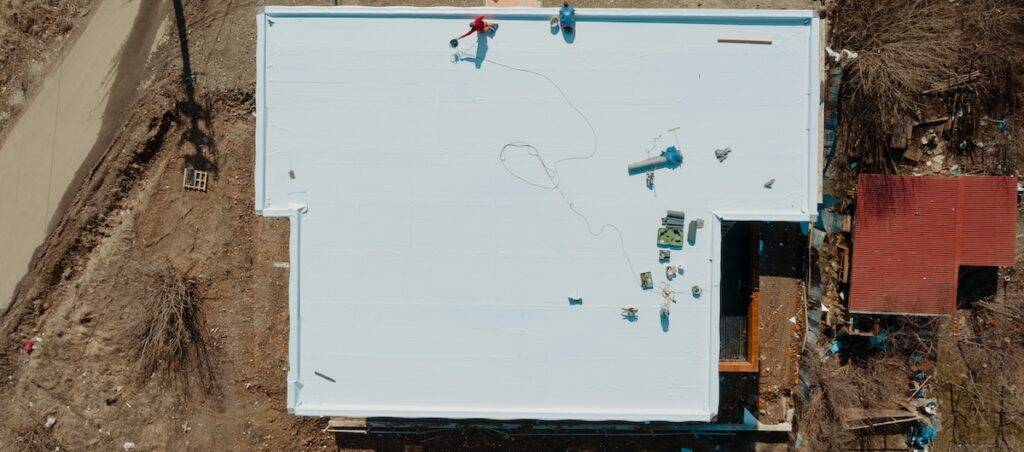
A silicone roof coating is a liquid-applied product that cures into a rubber-like membrane. It’s designed to cover the surface of an existing roof, adding a layer of waterproof protection. Unlike some roof restoration methods that require tearing off old materials, a silicone coating can be applied directly over substrates like TPO, EPDM, modified bitumen, and metal.
We use high-performance silicone products from trusted brands such as Gaco, Mule-Hide, and GE Silicones. These coatings are engineered to resist ponding water, harsh UV rays, and daily exposure to the elements. They can add 10 to 20 years of life to an aging commercial roof, at a fraction of the cost of full replacement.
Unlike acrylics or asphalt-based coatings, silicone maintains its flexibility in extreme temperatures and doesn’t chalk, crack, or degrade when exposed to sunlight. It’s ideal for commercial roofs with aging membranes or recurring leak issues.
We typically apply silicone coatings over:
- Modified bitumen
- EPDM and TPO single-ply roofs
- Metal roofing systems
- Spray polyurethane foam (SPF) roofs
Here’s what you need to know:
- Material: 100% silicone, which cures into a seamless, waterproof, and flexible layer.
- Applications: Works well over existing roofs (modified bitumen, metal, TPO, EPDM, spray foam, and built-up systems). Can often be installed without a full roof tear-off.
- Lifespan: A properly installed coating typically lasts 10 to 20 years, depending on thickness, roof condition, and ongoing care. Some manufacturers offer warranties of up to 20 years.
- Finish: Usually white or light gray, highly reflective, with a smooth, rubber-like texture.
Get A Free Quote
Why Choose Silicone Roof Coating?
At Whiting Roofing, we install premium silicone coatings for commercial roofs throughout the region. It’s an ideal solution when the roof structure is still intact but showing signs of wear. Silicone roof coatings offer a path that’s less disruptive, much more affordable, and remarkably effective for properties here in South Florida. Here’s why so many building owners and property managers choose this system:
- Excellent Water Protection: Silicone roof coatings handle ponding water far better than most other systems. If your flat or low-slope roof holds water after a rainstorm, silicone forms a seamless, rubber-like barrier that keeps water out.
- Handles UV and Heat: Silicone reflects UV rays and resists breaking down in direct sunlight, so your roof stays cooler and your building’s AC system works less overtime.
- Extends Roof Lifespan: Instead of a costly tear-off, a silicone coating restores the surface, seals cracks, and stops leaks before they grow. You get several more years from your existing roof.
- Minimal Disruption: The coating process is fast and can often be done while your business stays open. No noisy tear-offs. No mess.
- Cost-Effective: Most property owners save thousands compared to full roof replacement, especially on large commercial buildings.
We’ve completed silicone coatings for warehouses, schools, shopping plazas, offices, and single-family homes. Our clients regularly share stories about how much simpler the process was compared to what they expected.
Benefits of a Silicone Roof Coating System
Water Resistance
Florida roofs see their fair share of rain and not every flat roof drains well. Silicone performs better than any other coating under ponding water. Silicone is naturally water-repellent. Unlike acrylic coatings, it will not absorb standing water. If your drains back up or your slope isn’t ideal, silicone holds up.
Cost-Efficient
Silicone coating systems restore existing roofs at a fraction of the cost of a full replacement. There’s less labor, less waste, and less disruption to business operations. You also avoid triggering building code requirements that kick in during full roof replacements.
Energy-Efficient
White silicone reflects UV rays and lowers rooftop temperatures. That translates to reduced strain on your HVAC system and lower cooling costs, especially in South Florida’s hot and humid conditions. Over time, that reflectivity helps pay for the coating.
Easy Maintenance
Once installed, silicone coatings require minimal upkeep. They don’t get brittle or chalky. An annual inspection and occasional cleaning will help keep the system performing at its best. If repairs are ever needed, a patch or re-coat is fast and affordable.
Longer Roof Life
A properly applied silicone coating can add 10 to 20 years of life to your existing roof. Even better, when that time’s up, you can recoat it. There’s no need to tear off the old membrane again. As long as the structure underneath is sound, we can reapply the system.
Is My Roof a Good Candidate for Silicone Coating?
Silicone coating systems work best when the existing roof is structurally sound. That means the deck is intact, insulation is dry, and no major penetrations are compromised. If the membrane is leaking in spots or showing age (but not completely failing) coating may be the right path forward.
Here’s a quick checklist:
- The roof doesn’t have wet insulation
- Drains or slopes allow for some water movement
- Seams and flashings can be reinforced or repaired
- The surface is free of heavy debris or delamination
- No incompatible coatings already present
Limitations: If the roof has extensive damage or the insulation is soaked, a coating may not solve the core problems. We’re honest about what’s possible, sometimes replacement is the better choice.
We evaluate every roof with infrared or core sample testing before we recommend a coating system. If your roof isn’t a fit, we’ll walk you through other restoration or replacement options.
Silicone Coating vs Other Roof Coatings
There are several types of roof coatings available, but silicone stands out in key performance areas. Unlike acrylic or elastomeric coatings, silicone can withstand continuous ponding water without softening or breaking down. It also maintains reflectivity longer and doesn’t chalk or peel as quickly over time.
Acrylic coatings may be more affordable upfront but require more frequent recoating and are less resilient in high-moisture environments. Silicone’s superior water resistance and longevity make it a better investment for Florida buildings exposed to extreme weather conditions.
Our Silicone Roof Coating Process
Step 1: Roof Inspection and Moisture Survey
We start with a detailed assessment of your existing roof. Using infrared imaging and core cuts, we identify areas with wet insulation or damaged substrate. If more than 25% of the roof is compromised, we may recommend partial replacement before coating.
Step 2: Roof Surface Preparation
Proper adhesion depends on preparation. We pressure wash the roof to remove dirt, oils, and debris. We also seal seams, flashing joints, and cracks using high-solids silicone mastic or reinforcement fabric where needed.
Step 3: Primer Application (If Required)
Some substrates, such as EPDM or rusted metal, need a primer to ensure bonding. We use compatible primers approved by the coating manufacturer.
Step 4: Silicone Coating Installation
Silicone is applied in a single or double pass using roller or spray methods. The thickness depends on the warranty desired—usually between 20 and 40 mils. We check mil thickness during installation to ensure coverage is consistent.
Step 5: Final Inspection and Warranty
Once the coating cures, we perform a full walkthrough and inspection. We can provide warranties from 10 to 20 years depending on the system, material, and thickness.
Why Building Owners Choose Whiting Roofing for Silicone Coating
We’ve restored hundreds of commercial roofs across Florida with silicone coating systems. Our team is certified to install premium brands like GE Silicones, Gaco, Progressive Materials, and others. We work fast, schedule efficiently, and keep your operations running during the project.
We’re also honest about whether coating is the right move. Some companies try to sell coatings on roofs that should be replaced. We don’t do that. If your roof won’t benefit from a coating system, we’ll explain why, and show you the best option.
You have options when it comes to roofing contractors, but there’s a reason so many property owners choose us.
- Experience: Our team has decades of experience with commercial coatings and residential roofing throughout South Florida.
- Product and Labor Warranties: We only use brands we trust. Our work comes with both manufacturer and labor warranties, so you’re covered from day one.
- Local References: Ask us for references, we’ll connect you with property managers, facility directors, and homeowners who’ve worked with us before.
- Fully Licensed and Insured: You get peace of mind knowing we handle every job the right way, with all the proper credentials.
- Community Commitment: As a South Florida business, we’re here for the long haul. Many of our projects come from repeat clients and word of mouth.
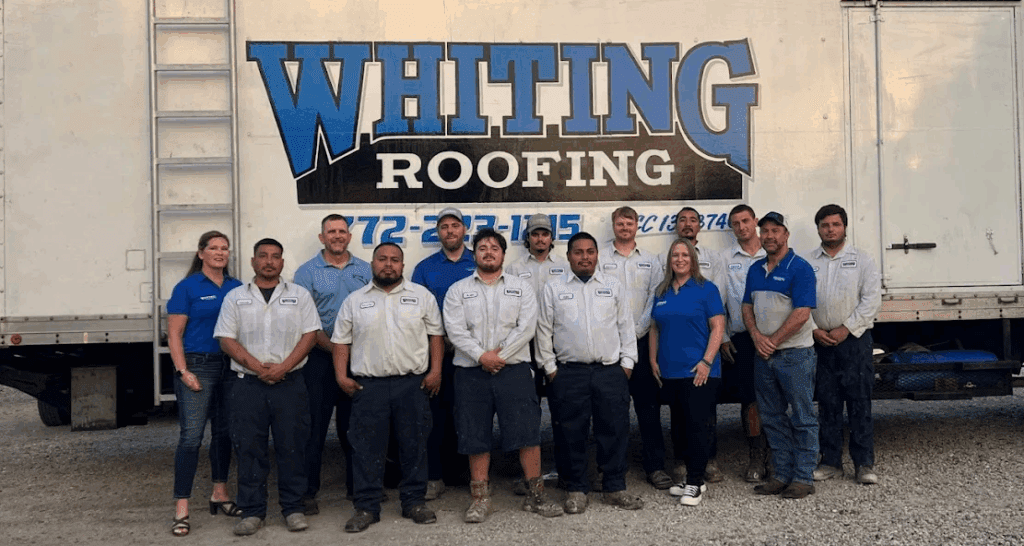
We believe roofing work should be straightforward, reliable, and stress-free for you. Our goal is to deliver results you can see, savings you can count, and a partnership you trust.
Get a Free Quote!
FAQs About Silicone Roof Coatings
Each warranty is different, and we’re happy to review your warranty together to be sure. In most cases, if your roof is ready for new silicone coatings, the original warranty has already expired. The good news is that when you work with us, you’ll receive a new warranty backed by our company.
Most cities in Florida do not require permits for maintenance coating, but some counties do. We handle all permit applications if needed.
Yes. We regularly apply silicone coating over commercial metal roofs. Rusted areas may require a primer, but the coating helps seal seams and reduce thermal movement
If properly applied over a sound substrate, yes. It forms a watertight membrane that resists standing water and seals small penetrations or cracks.
Yes, as long as your roof is structurally sound, dry, and a compatible material. We perform a moisture survey to confirm compatibility. Some older coatings may need to be removed or primed first.
Most systems last between 10 and 20 years, depending on the product and mil thickness. When the coating nears the end of its lifespan, it can usually be recoated without tearing off the old system
Get a Quote for Silicone Roof Coating
Silicone roof coating is a smart investment for aging flat roofs. If your commercial roof is aging but still structurally sound, silicone coating might be the best path forward. It costs less than full replacement, installs faster, and helps lower your energy bills.
Call Whiting Roofing to schedule your free roof evaluation. We’ll inspect the roof, answer your questions, and provide a detailed proposal for roof restoration based on real conditions.