
Not all metal roofs are the same. Metal roofing systems differ in appearance, cost, fastening method, maintenance needs, and weather performance. For homeowners, choosing the right system depends on the roof’s design, local climate, budget, and desired appearance.
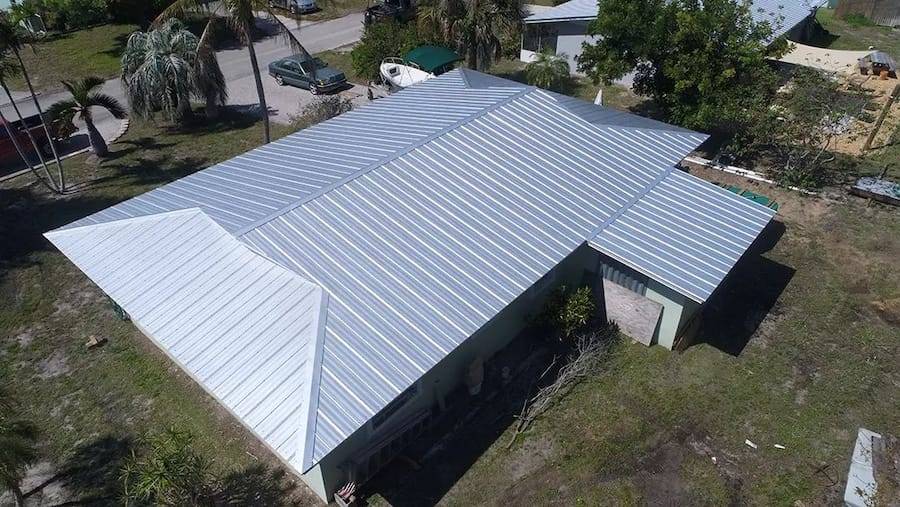
Standing Seam
Uses vertical panels with raised seams and concealed fasteners. The hidden-fastener design allows thermal movement while reducing potential entry points for water. It provides strong wind and water resistance but costs more and requires specialized installation.
Corrugated Panels
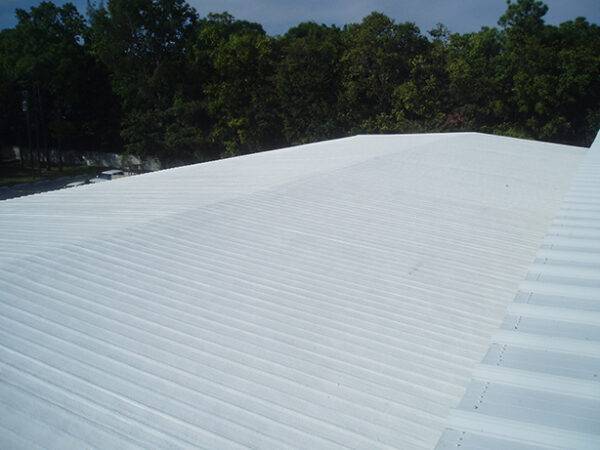
Corrugated roofing uses wavy or ribbed panels secured with exposed screws and sealing washers. It is durable, lightweight, and typically more affordable than other metal systems. However, the fasteners and washers require periodic inspection because they can loosen or deteriorate over time.
Metal Shingles
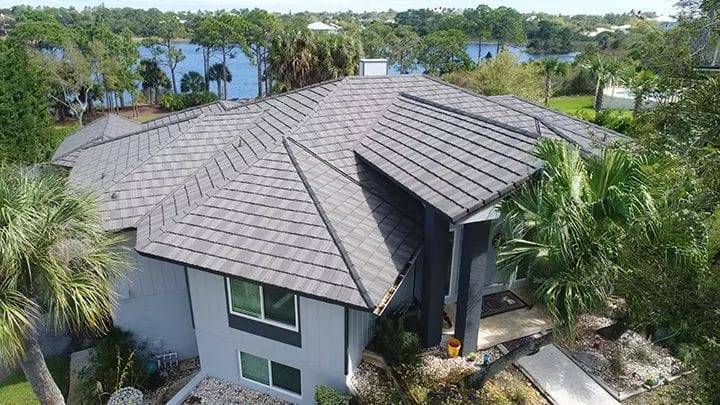
Metal shingle uses smaller interlocking panels shaped to resemble asphalt shingle, slate, wood shakes, or tile. They provide a traditional residential appearance with the durability and fire resistance of metal. Their numerous seams and interlocking connections require accurate install to prevent water intrusion.
Metal Roof Benefits
Metal roof benefits include strong weather protection, energy efficiency, and a service life of 40 to 70 years. Its lightweight, noncombustible panels can resist high winds, are heat-reflective, and reduce strain on the building’s structure. Metal roofs are available in many colors and profiles, including standing seam, corrugated panels, shingles, and tiles. Most contain recycled material and can be recycled again after removal. Although large hail can dent thinner metal panels, properly selected metal roofing provides reliable protection against wind, rain, heat, fire, and severe weather.
Longest-Lasting Roofing System
Metal roofs typically last 40 to 70 years, often outlasting asphalt shingle by several decades. Reducing the need of roof replacement.
Extremely Durable Against Wind, Hail, and UV Exposure
Properly rated metal systems resist high winds, intense sunlight, heavy rainstorm, and hail. Thinner panels may still develop cosmetic dents.
Energy Efficient
Reflective metal surfaces absorb less solar heat, which can reduce roof temperatures and summer cooling demands.
Lower Environmental Impact
Many metal products contain recycled materials. The panels are also recyclable at the end of their service life.
Fire Resistant
Metal is noncombustible and will not ignite from lightning, sparks, or wind-driven embers.
Aesthetics
Roofing metal comes in numerous colors, finishes, and profiles, including standing seam, corrugated panels, shingles, and tiles.
Lightweight
Metal weighs considerably less than slate or tile, placing less load on the home’s framing and roof structure.
Metal Roof Cons
Metal roofing costs considerably more upfront than shingles and requires an installer experienced with layout, flashing, and thermal movement. Repairing severe damage may require replacing an entire panel, and new panels may not match weathered finishes. Exposed-fastener systems also need periodic inspections because screws can loosen and sealing washers can deteriorate. Scratched coatings may leave some steel panels vulnerable to corrosion, especially near saltwater. Rain may sound louder over certain roof assemblies, although proper decking, underlayment, and attic insulation can reduce the noise. Metal roofs also shed water and snow quickly, which may require properly sized gutters or snow-retention systems.
Metal roofing can last for decades, but its higher cost, roof repair requirements, and installation demands make it unsuitable for some homeowners.
Higher Upfront Costs
Metal roofing often have higher upfront costs, two to three times more, than asphalt shingles. The installation cost may be harder to justify if you plan to sell the home soon.
Specialized Installer Required
Metal roofing requires specialized knowledge of layout, flashing, fastening, and thermal expansion. Installation errors can cause loose panels, open seams, and water intrusion.
More Difficult to Repair
A roofer can often replace individual damaged shingles. Severely damaged metal may require replacing entire panels. New panels may also appear different because existing finishes fade over time.
Sometimes Includes Exposed Fasteners
Corrugated and ribbed panels often use screws with rubber sealing washers. Thermal movement can loosen the fasteners and deteriorate the washers, requiring periodic inspection and replacement. For some commercial metal roofs, silicone sealants or coatings can help protect vulnerable details and extend service life after necessary repairs. Learn more about silicone compatibility with metal roofs, including why surface preparation and the roof’s condition matter.
Rusting
Galvanized and Galvalume steel resist corrosion, but deep scratches and damaged coatings can expose the steel underneath. Coastal salt and industrial pollutants can accelerate corrosion, making aluminum or properly coated products more suitable in certain areas.
Galvalume vs Aluminum
Galvalume is steel coated with aluminum, zinc, and silicon, while aluminum roofing contains no steel core. Galvalume is stronger, more impact-resistant, and generally more affordable, making it a practical choice for many inland properties. However, scratches and cut edges can expose the steel underneath to corrosion. Aluminum cannot develop iron rust and performs especially well in coastal environments with salt exposure. It is also much lighter than Galvalume, but its softer surface can dent more easily and usually costs more. The right choice depends on the property’s location, storm exposure, budget, and desired service life.
FAQs
Are Metal Roofs Noisy?
A residential metal roof is usually not noticeably louder than shingles when installed over solid decking. Plywood or OSB decking, underlayment, attic space, and ceiling insulation help absorb the sound of rain and hail. The noise concern mainly comes from barns and sheds, where panels often attach directly to open framing without sound-dampening layers. Installation method, insulation levels, attic design, and the metal roof system all affect how much noise occupants hear.
How Much Does a Metal Roof Install Cost?
Metal roof installation generally costs $7 to $15 per square foot, with copper and other premium systems costing more. A 2,000-square-foot roof may cost about $14,000 to $30,000. Corrugated steel usually provides the lowest-cost option, while metal shingles, aluminum, and standing-seam systems fall higher in the range. Roof size, slope, design complexity, panels, metal thickness, coatings, labor, tear-off, underlayment, decking repairs, flashing, and trim all affect the final price. Because roofing area differs from a home’s interior square footage, an onsite measurement provides the most reliable estimate.
Does Metal Roofing Attract Lightning?
No, metal roofing does not attract lightning. A structure’s height, shape, location, and isolation influence where lightning strikes more than its roofing material. Metal is noncombustible, so it will not ignite if lightning hits the roof. However, a metal roof does not replace a properly designed lightning-protection and grounding system where one is recommended.
Find Out Which Metal Roofing System Fits Your Home
The right metal roof depends on more than the look of the panels. Your roof’s slope, exposure to coastal salt, and budget all affect which roofing materials are best for your home. Our Whiting Roofing team has more than 40 years of roofing experience and helping homeowners and businesses with metal roofing across South Florida. Schedule a free inspection, and our team can assess your roof, explain the options, and give you a quote for a system that fits your home.