
Deciding on a roofing material involves more than picking a look you like. Asphalt shingles, metal, tile, slate, and flat roofing systems all come with different costs, lifespans, and maintenance needs.
Asphalt and Traditional Roofs
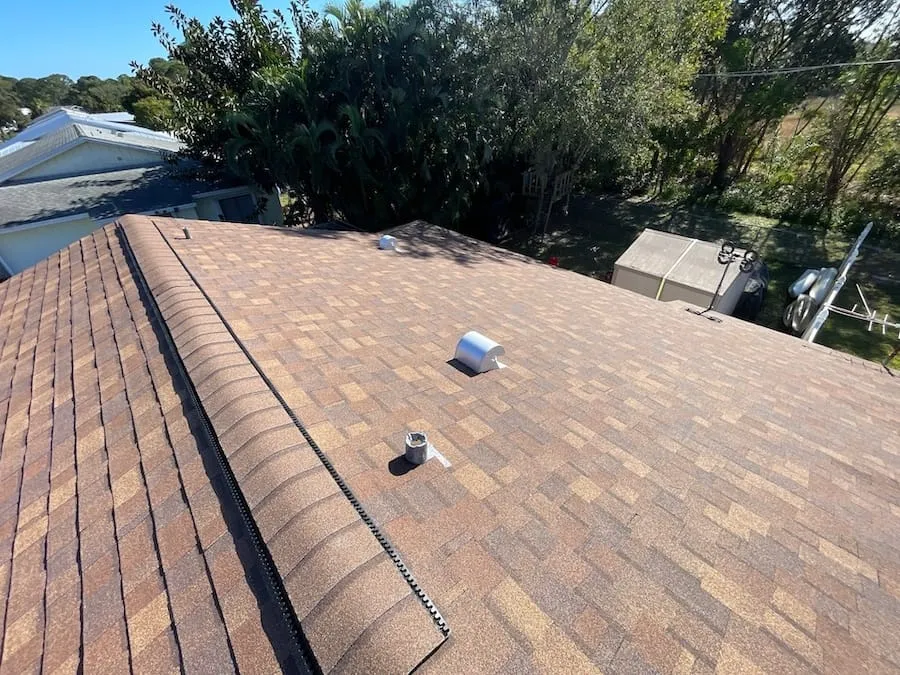
Asphalt Shingles
One of the most common roofing choices for a reason: they’re affordable, come in plenty of colors, and work well on many styles of home. There are different grades of shingles, so the price and expected lifespan can vary.
- Lifespan: About 20 to 30 years
- Cost: Generally the most affordable roofs on this list
- Pros: Widely available, many color choices, and relatively straightforward repairs
- Cons: Shorter lifespan than slate roofs and more vulnerable to damage from severe weather
Wood Shingles/Shakes
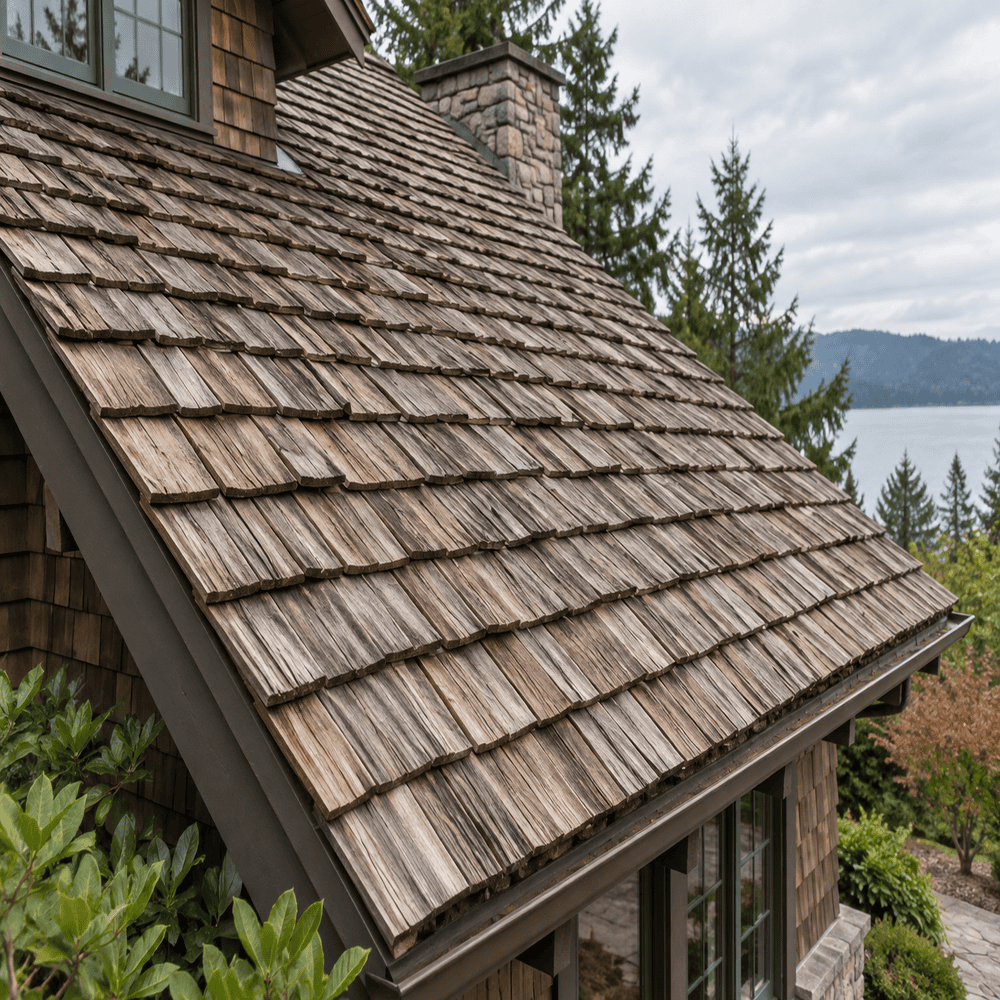
Wood shingles and shakes give home roofs a natural look that changes as the wood ages. Shingles have a smoother, more uniform appearance, while shakes look rougher and more rustic. Both need regular attention to stay in good shape.
- Lifespan: About 20 to 40 years with proper upkeep
- Cost: Typically more expensive than asphalt roofing shingles
- Pros: Natural appearance and a distinct look that many homeowners want
- Cons: Requires more upkeep and may be restricted by local fire codes
Natural Slate Roofing
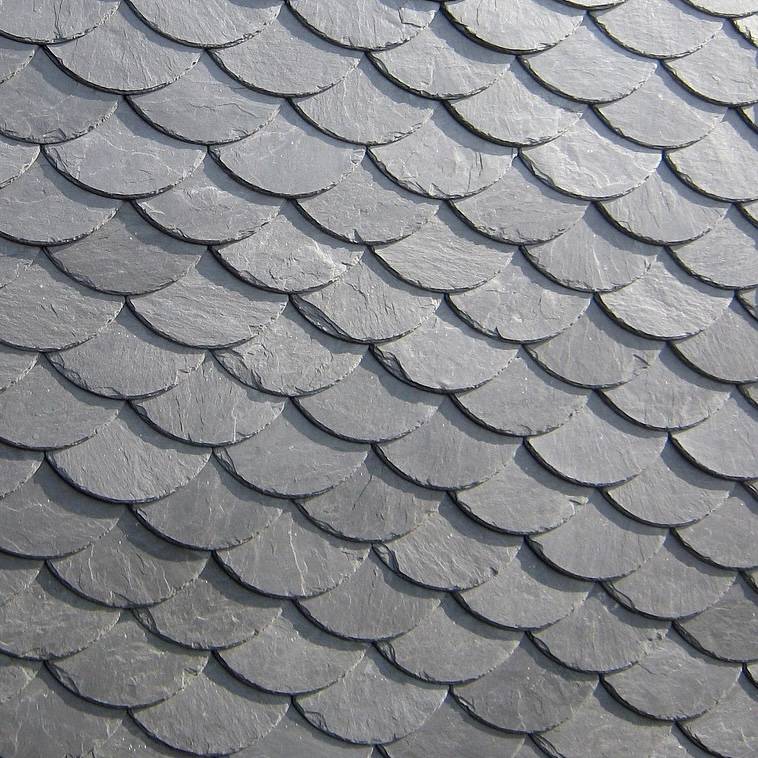
Natural slate is stone roofing that can last for generations when it’s installed correctly. It has a look that manufactured products try to copy, but its weight and installation requirements make it a major investment.
- Lifespan: About 50 to 150 years
- Cost: One of the most expensive roofing materials
- Pros: Exceptional longevity, fire resistance, and a distinctive appearance
- Cons: Heavy, expensive, and requires an installer experienced with slate roofing
Synthetic Roofing Slate
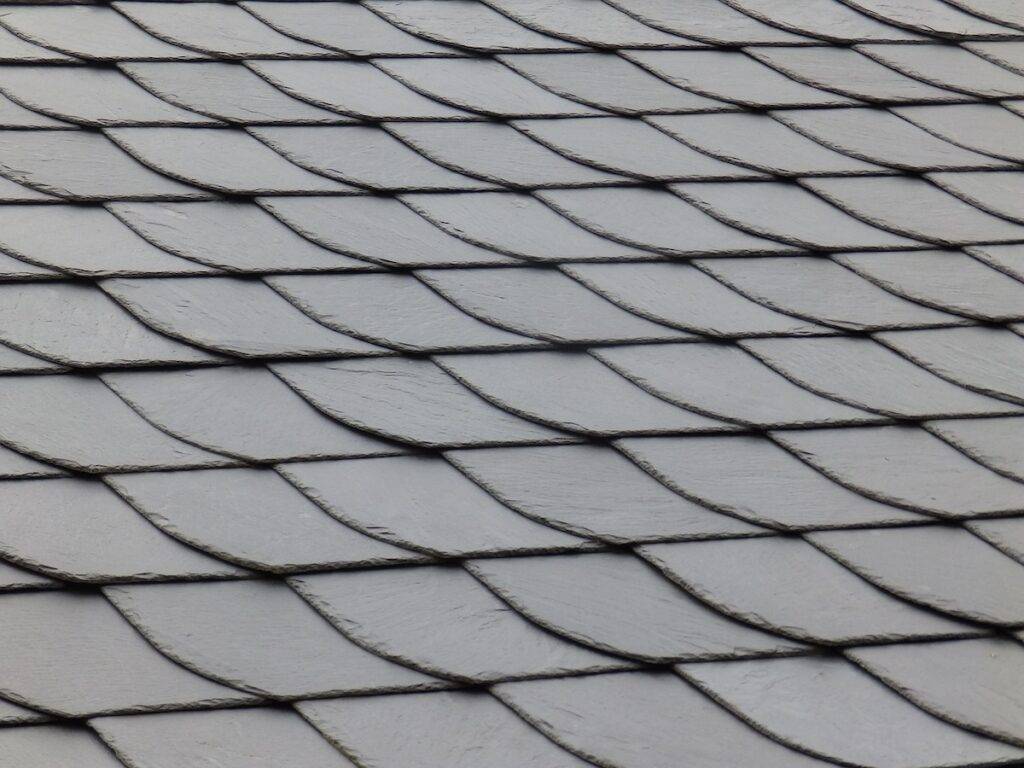
Made to give you the look of natural slate without the same weight. It usually costs less to install, though the appearance, durability, and warranties depend heavily on the product you choose.
- Lifespan: Often around 40 to 50 years, depending on the product
- Cost: Typically less than natural slate, but more than standard asphalt shingles
- Pros: Slate-like appearance with less weight and a lower installation cost than natural slate
- Cons: Doesn’t have natural slate’s proven lifespan, and quality varies by manufacturer
Metal Roofing Options
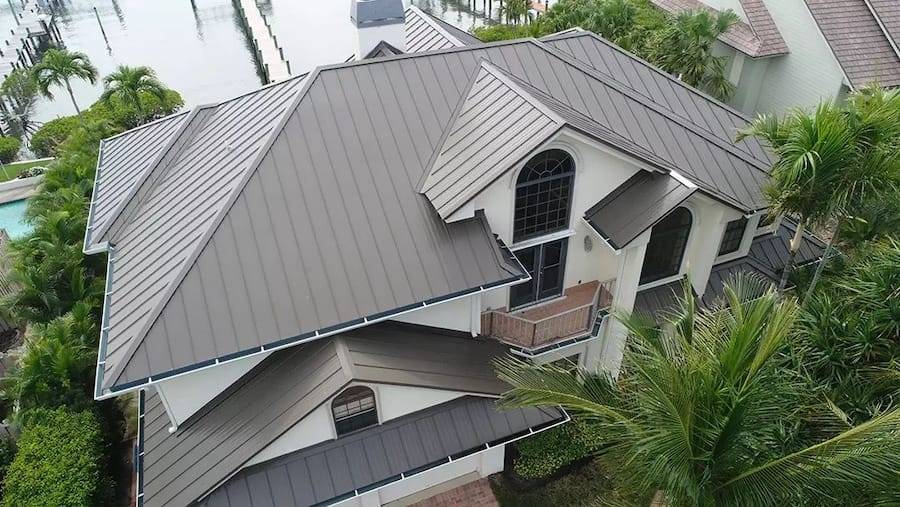
Standing Seam
Standing seam metal roofing is a premium metal roof system made with vertical panels and raised interlocking seams that conceal the fasteners. This design helps reduce leak risks, allows the metal to expand and contract properly, and gives the roof a clean, modern appearance. Standing seam roofs can last 40 to 70 years and offer strong protection against wind, rain, and harsh weather. Common roofing materials include snap-lock panels, mechanically seamed panels, and symmetrical systems, each offering different advantages for residential, commercial, or low-slope roofing type projects.
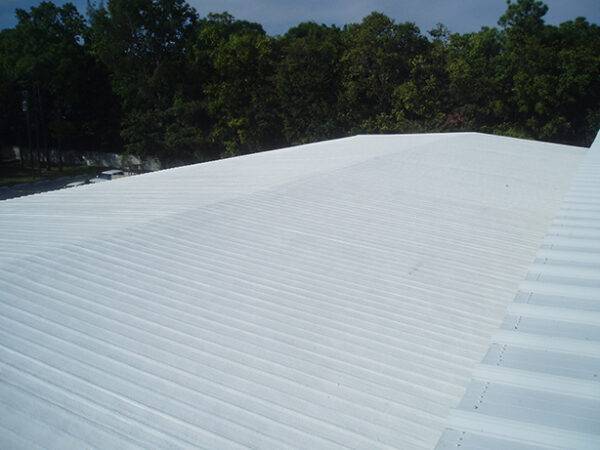
Corrugated Metal Roofing
Corrugated metal roofs have wavy, rounded, or ribbed panels made from steel, galvanized, or galvalume. It is one of the more affordable metal roofing options and is commonly used on homes, barns, sheds, garages, and agricultural buildings. Corrugated panels are lightweight, durable, and resistant to fire, rot, mildew, wind, and heavy rain when installed correctly. Because they use exposed fasteners, the screws and rubber washers should be inspected over time to help prevent leaks as the roof expands, contracts, and ages.
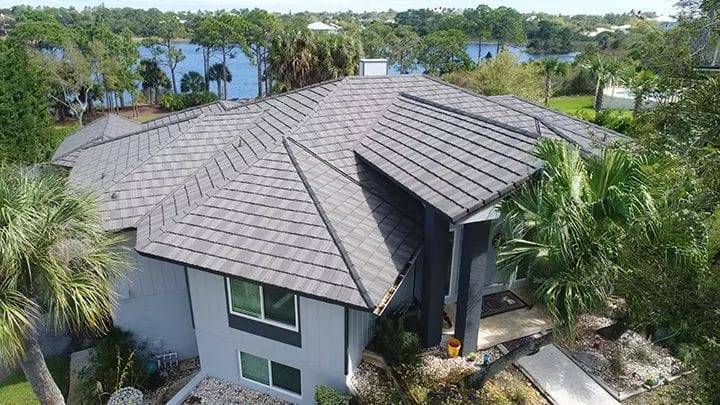
Metal Shingles
Metal shingles are individual interlocking panels made from steel or aluminum and shaped to resemble slate, wood shake, or clay. They offer a more traditional look than standing seam metal while still providing strong performance, fire resistance, wind resistance, and a long service life of 40 to 50 years or more. Although metal shingles usually cost more upfront than asphalt shingles, their lighter weight, lower maintenance needs, and long-term performance can make them a strong option for homeowners who want longevity without the industrial look of some metal roofing systems.
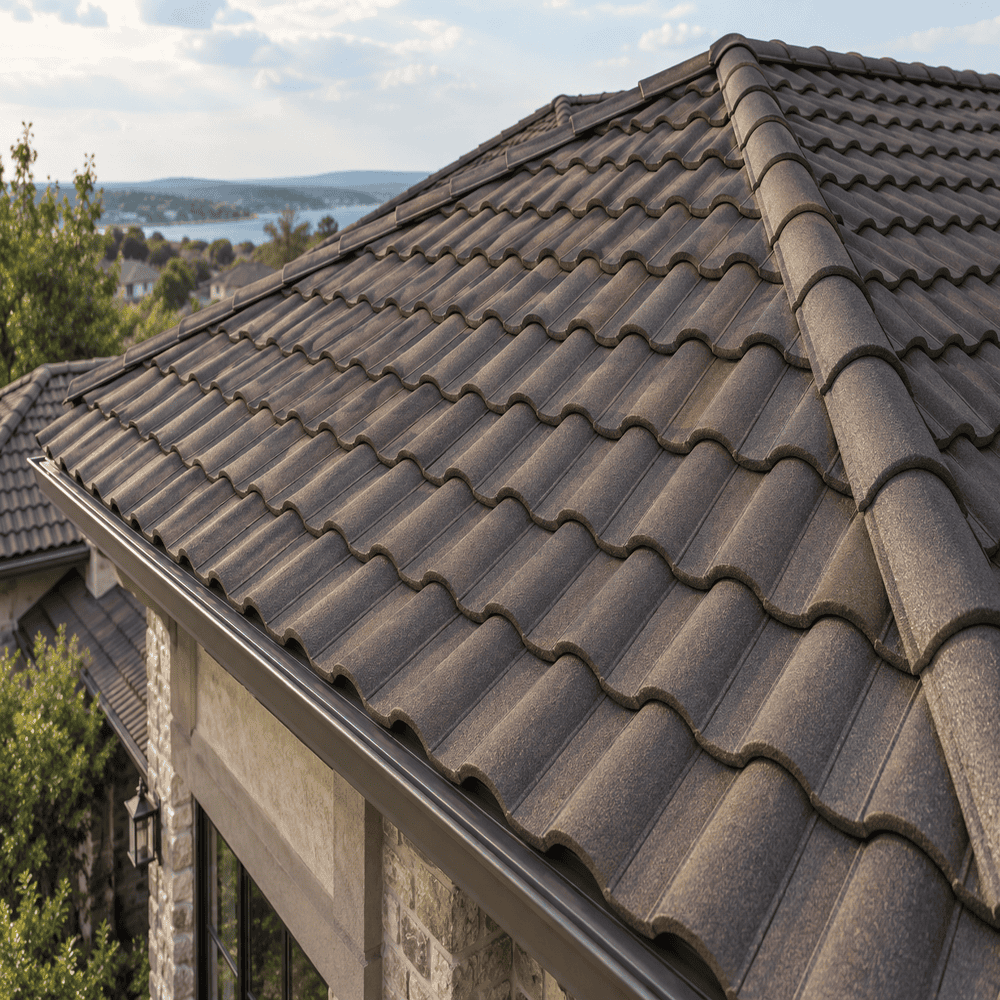
Metal Tiles
Metal shingles and shakes are designed to look like clay, slate, or wood while offering the strength of steel or aluminum. They are much lighter than traditional tile, often last 40 to 60 years, and can provide strong resistance against wind, hail, and impact. Roofing materials like stone-coated steel from manufacturers such as Decra Metal Roofing or Novatik add texture and curb appeal, while stamped metal, aluminum, and Spanish-style profiles give homeowners different ways to achieve a durable roof with a more decorative look.
Tile Roofing Options
Clay Tile
Uses molded tiles made from natural clay and fired at high temperatures for strength and endurance. These tiles resist fire, insects, rot, and harsh weather while providing a distinctive appearance. These roofs can last 50+ years when installed correctly. Common styles include flat, barrel, interlocking, and Spanish tiles, giving homeowners several options for different architectural designs.
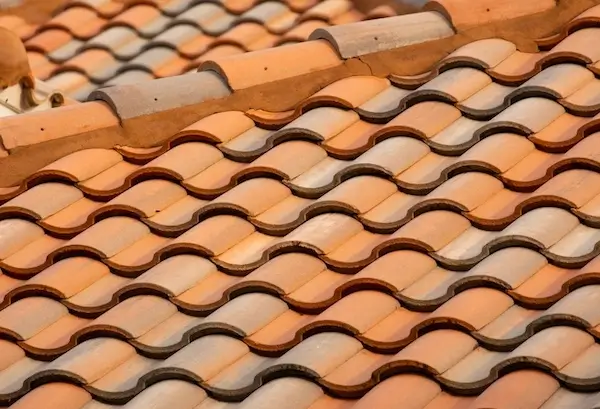
Terra Cotta Tiles
Terra cotta roofing is a type of clay tile recognized by its natural reddish-orange color and traditional Mediterranean appearance. The tiles retain their color well because it comes from the clay rather than a roofs surface coating. Terra cotta roofs can last 75+ years or longer with proper installation and upkeep. Their weight requires adequate structural support, and damaged tiles should be replaced promptly to protect the underlayment below.
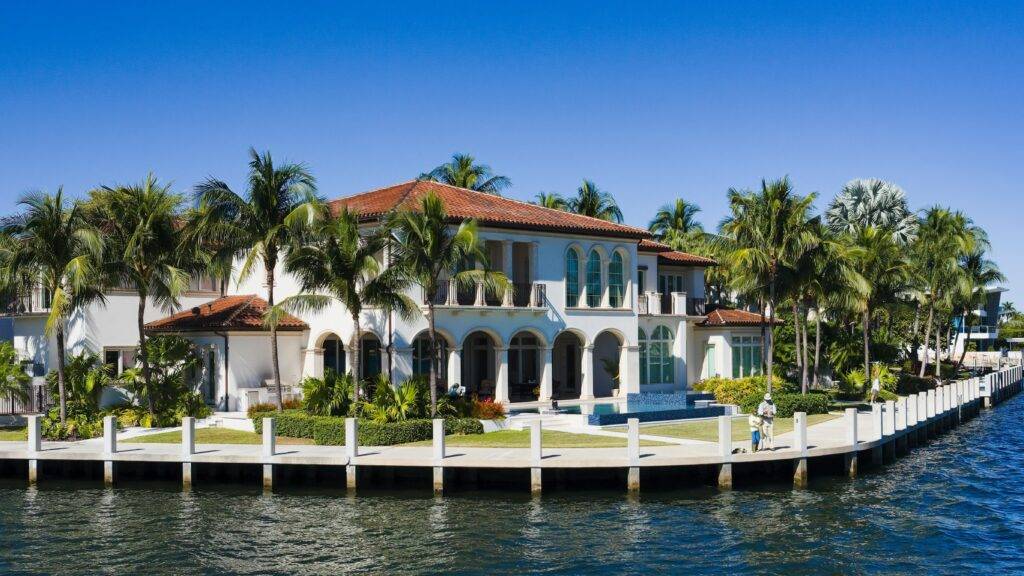
Concrete Tiles
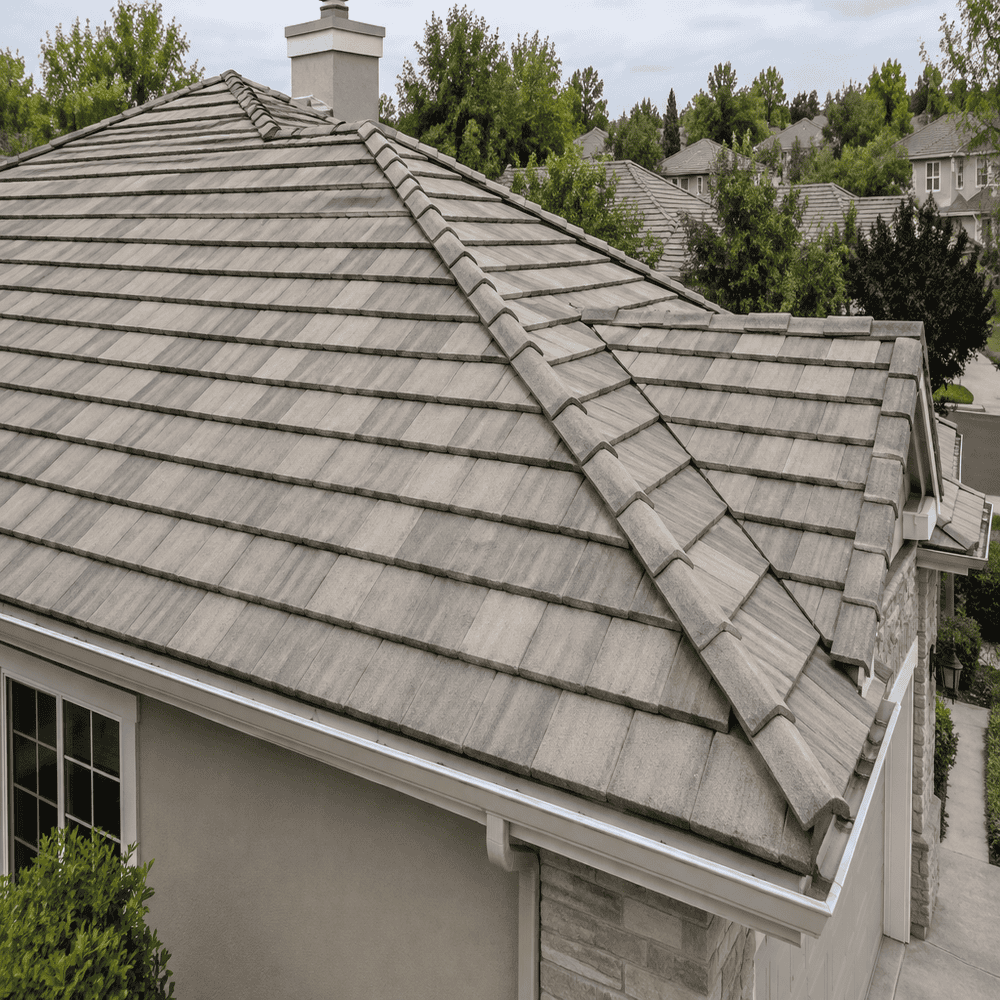
Concrete roofing tiles are made from a mixture of cement, sand, water, and pigments. They can be shaped to resemble clay, slate, or wood shakes while usually costing less than natural slate or clay. Concrete tile roofs commonly last 75+ years and provide strong resistance to fire, wind, and heavy rain. However, the tiles are heavy, and their protective surface may fade or require upkeep as the roof ages.
Flat and Low-Slope Roofing Materials
Rolled Roofing
Built-Up Roofing
Single-Ply Membrane Roofing
Single-ply roofing uses one layer of flexible membrane to protect flat and low-slope commercial buildings. The membrane can be mechanically fastened, fully adhered, or secured with ballast. Light-colored options reflect sunlight and can reduce heat absorption during warmer months. Single-ply roofing is lightweight, installs faster than many multi-layer systems, and typically lasts 15 to 30 years. Common manufacturers include Carlisle SynTec, Mule-Hide, GAF, Johns Manville, Duro-Last, and Sika Sarnafil.

TPO: Thermoplastic polyolefin roofing combines polypropylene and ethylene-propylene rubber with a reinforcing polyester layer. Heat-welded seams create a continuous waterproof surface, while white and light-colored membranes reflect heat and ultraviolet rays. TPO is generally more affordable than PVC and is commonly used on warehouses, offices, retail buildings, and other commercial properties. A properly installed and maintained TPO roof typically lasts 20 to 30 years.
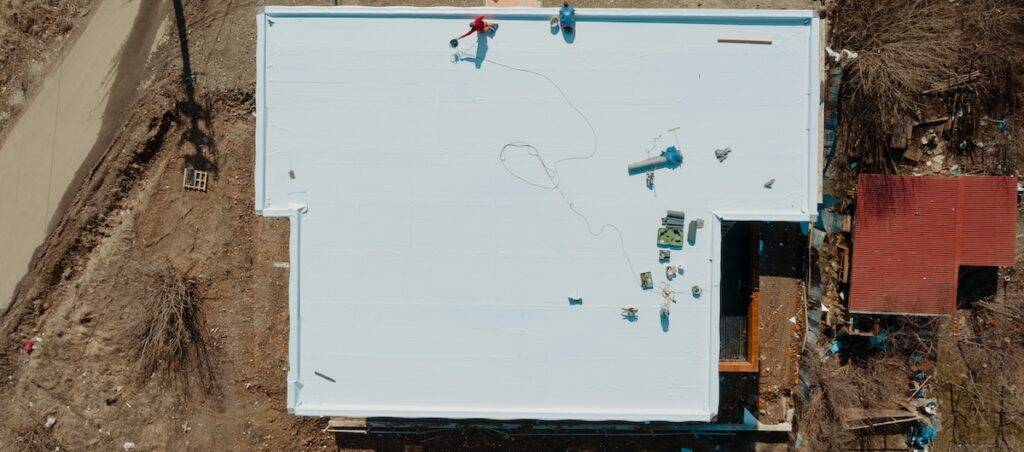
PVC: Polyvinyl chloride roofing is a flexible thermoplastic membrane known for strong resistance to punctures, grease, chemicals, and fire. Its heat-welded seams provide reliable protection against water, while reflective colors can help reduce heat absorption. PVC is especially useful on restaurants, food-processing facilities, and industrial buildings exposed to oils or chemicals. A properly installed and maintained PVC roof typically lasts 20 to 30 years or longer.
Foam Roofing SPF
Roof Restoration and Protective Systems
Acrylic Coatings
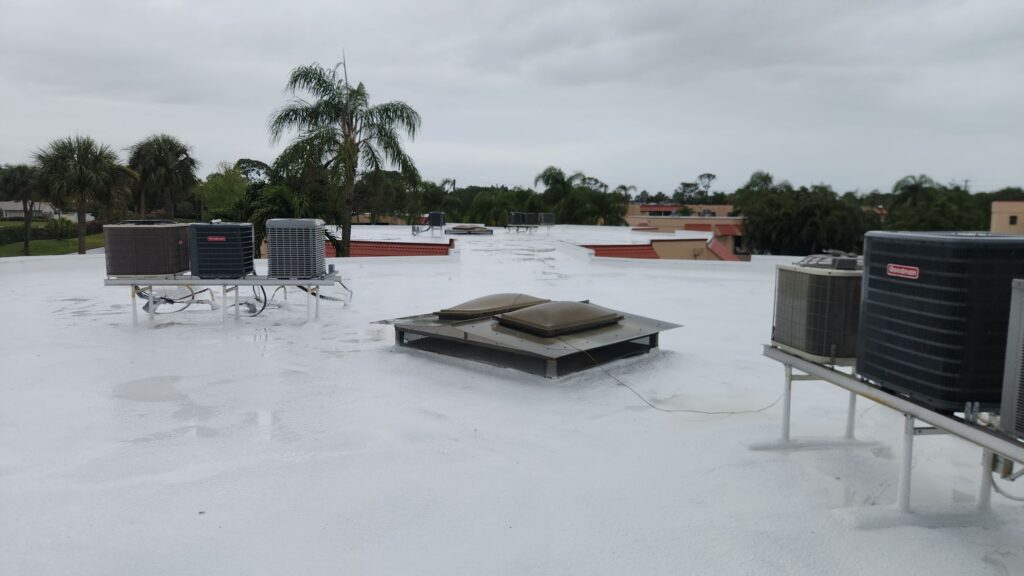
Acrylic roof coatings are water-based, cost-effective systems that reflect ultraviolet rays and reduce heat absorption. They work best on properly drained roofs in sunny climates because prolonged ponding water can weaken the coating. Popular options include Henry Elastomeric Roof Coating and Ames Premium Roof Armor.
Silicone Coatings
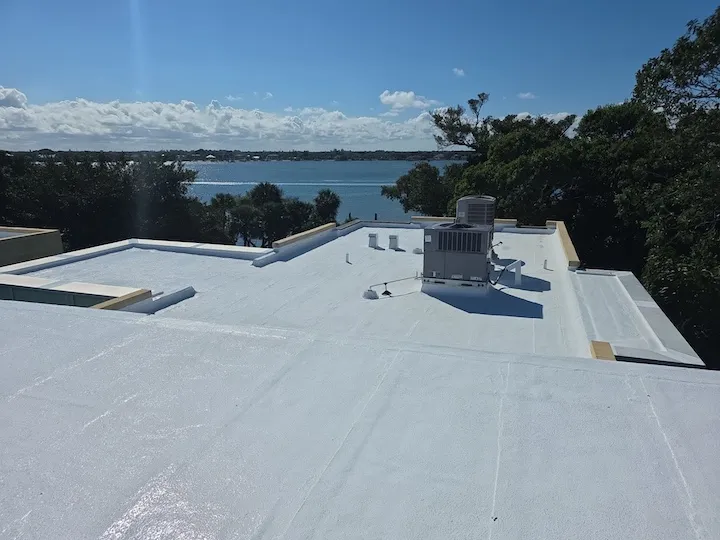
Silicone roof coatings provide strong resistance to ultraviolet exposure, moisture, and long-term ponding water. They retain flexibility and reflectivity well but can attract dirt and become slippery when wet. Products include Liquid Rubber Silicone Roof Coating and silicone systems from GAF, Mule-Hide, APOC, and Henry.
Polyurethane Coatings
Polyurethane roof coatings, also called urethane coatings, provide strong resistance to impact, abrasion, and foot traffic. They are often used in hail-prone areas and around rooftop equipment requiring regular service access. Aromatic polyurethane commonly serves as a durable base coat, while aliphatic polyurethane provides better color and UV stability.
Asphaltic and Specialty Coatings
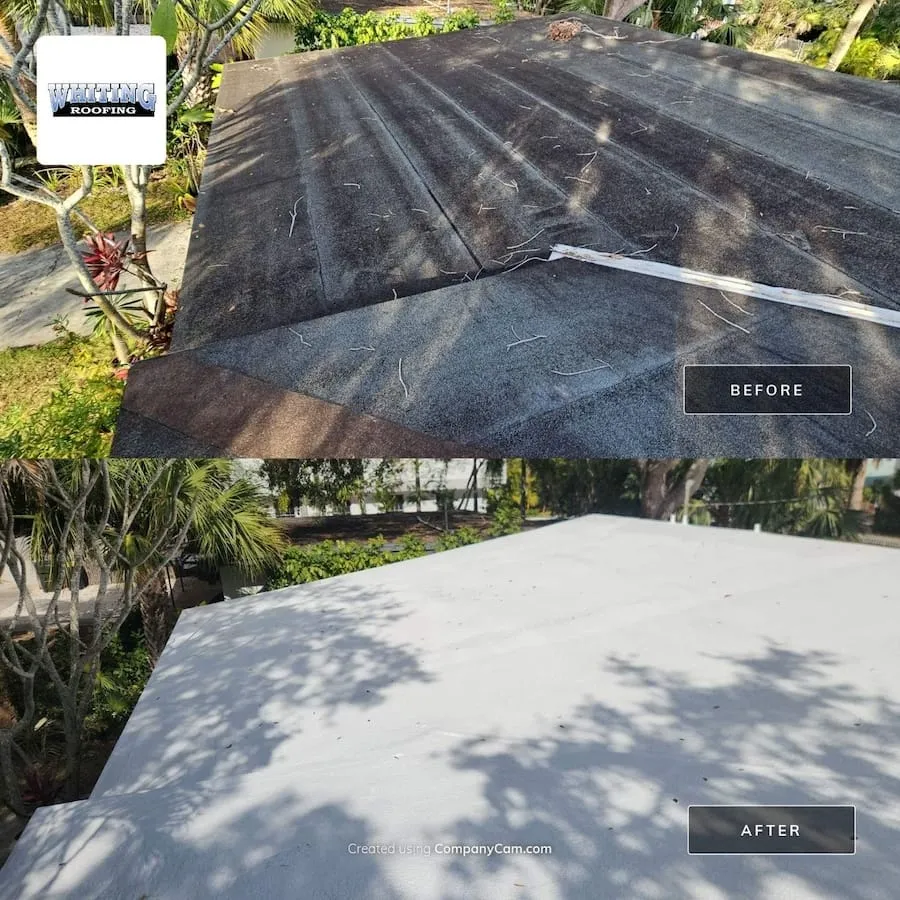
Asphaltic coatings use asphalt combined with solvents, water, fibers, or reflective aluminum pigments to protect compatible roof systems. They are commonly used to seal weathered asphalt surfaces, reinforce problem areas, and slow deterioration. Specialty coatings include products formulated for rust control, chemical exposure, extreme temperatures, or specific roofing membranes.

Specialty and Modern Roofing Options
Green Roof
Solar Shingles
Things to consider when choosing roofing material
Remember, who installs your roof is the most important piece. You can have a good contractor install a 20-year roof, and it could last up to 25 years. Or a low-quality company installs a 30-year roof that expires at year 15; we’ve seen this happen too many times. So if you have a great warranty but poor installation, it might be void. For example, we’ve seen contractors who don’t install proper ventilation but tell the homeowner the roof is a 25-year roof. But because of the lack of ventilation, the manufacturer won’t honor the warranty.
FAQs
How does roofing material affect insurance?
Roofing material can affect insurance rates, coverage limits, discounts, and eligibility. Insurers consider each material’s resistance to fire, wind, hail, and water, along with its replacement cost. Metal, slate, tile, and Class 4 impact-resistant shingles may qualify for discounts, although expensive roofing materials can require higher dwelling coverage. Standard asphalt shingles usually receive average rates, while wood and flat roofs may cost more to insure because of greater fire, leak, or storm-damage risks. Actual requirements and savings vary by insurer, policy, location, roof age, and product rating.
Which roofing material is best for my home?
The best roofing material depends on your budget, home style, climate, roof structure, and long-term plans. Asphalt shingles offer an affordable and versatile option, while metal provides greater longevity and strong weather resistance. Clay and concrete tiles suit Spanish or Mediterranean homes but require adequate structural support. Natural slate offers exceptional durability for historic or high-end homes, while synthetic products recreate the appearance of slate or wood with less weight and maintenance. We always recommend metal and tile for residential and SPF for commercial because of durability in FL weather.
Which roof material is best for storms, wind, heat, or hail?
Standing-seam provides some of the strongest overall protection against storms, high winds, heat, and hail. Its concealed fasteners and interlocking seams help resist wind uplift and water intrusion. Reflective finishes can also reduce heat absorption, while the metal resists cracking and shattering under hail impact. Large hail may still cause cosmetic dents. Class 4 impact-rated asphalt shingles and synthetic roofing are also strong choices for hail-prone areas. Actual performance depends on the product rating, roof design, fastening system, installation quality, and local building requirements.
Can I switch from shingles to metal or tile?
Yes, most homes can switch from asphalt shingles to metal or tile, but the requirements differ. Metal is relatively lightweight and often needs no structural reinforcement. Removing the shingles first allows the roof deck to be inspected and repaired before installation. Clay and concrete are much heavier, so the framing may need professional evaluation and reinforcement. Tile can last 50 years or longer, but individual pieces may crack and the underlayment may need replacement sooner. Local building codes, roof slope, structural capacity, ventilation, and installation costs should be reviewed before selecting either material.
Get Help Choosing the Right Roofing Material
Whiting Roofing has more than 40 years of experience serving Martin County and Palm Beach County. As a TAMKO Gold Certified Roofing Contractor, a BBB A+ rated company, and a member of the National Roofing Contractors Association, we help homeowners compare roofing materials based on cost, durability, and maintenance needs. Contact us to discuss the right roof replacement for your home.