
Roofing advice gets repeated so often that some myths start to sound like facts. We hear these common myths homeowners think about, especially after a storm or when a roof begins showing its age. Some roof replacement myths can lead you to replace a roof too soon; others can cause you to wait until a manageable problem becomes expensive. Here is truth we want you to know before deciding what your roof needs.
Myth: Black Streaks Are Mold
The dark streaks on asphalt shingles are commonly caused by algae, not mold. They may affect the roof’s appearance without meaning the shingles have failed.
If you’re choosing a new roof, algae-resistant shingles can help limit staining. Zinc or copper strips installed near the ridge can also release small amounts of metal as rainwater runs down the roof. Placement matters: a strip at the eaves would not treat the shingles above it.
Myth: If the Warranty Says 30 Years or Lifetime, That’s How Long the Roof Will Last
A warranty term is not a promise that the roof will remain in good condition for that many years. In Florida, prolonged heat, inadequate attic ventilation, storm exposure, and installation mistakes can shorten a roof’s useful life.
We’ve seen roofs described as “30-year roofs” develop serious problems around year 15. Sometimes the issue is premature shingle aging. Other times, repeated leaks trace back to installation details that were never right. We look at the roof’s actual condition before recommending another repair or a replacement.
Myth: You Can’t Repair the Roof
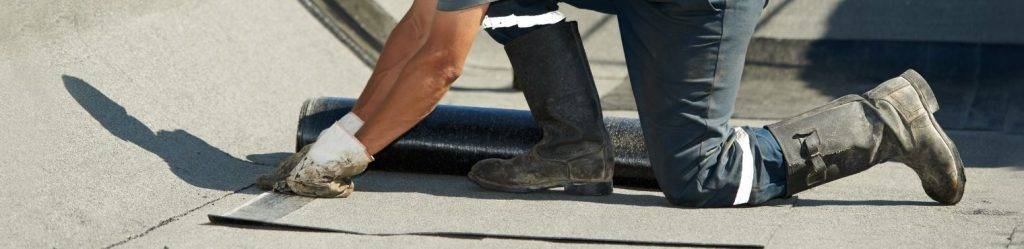
A roof does not automatically need replacement because it leaks. If damage is limited to a section of roofing, flashing, a penetration, or a seam, a properly designed repair may solve the problem.
The question is whether the surrounding roof can still support lasting repairs. Brittle shingles, widespread deterioration, or leaks in several areas can make another patch a poor investment. At Whiting Roofing, we inspect the affected area and the rest of the system so we can explain which option makes sense.
Myth: The Roof Has 130 MPH Wind Resistance
A shingle advertised with a 130 mph wind rating does not make the entire roof immune to damage in a 130 mph storm. The rating depends on the product’s tested conditions and required installation. The performance of ridge caps, edges, flashing, decking, and the connections beneath the roof also matters.
Read the wind warranty separately from the product’s advertised lifespan. Wind coverage may have its own time limit and installation requirements, and ridge cap shingles may carry different coverage from the field shingles. A “lifetime” label is no substitute for checking the terms of the specific products going on your home.
Myth: Any Ponding Water on a Flat Roof Means the Roof Is Failing
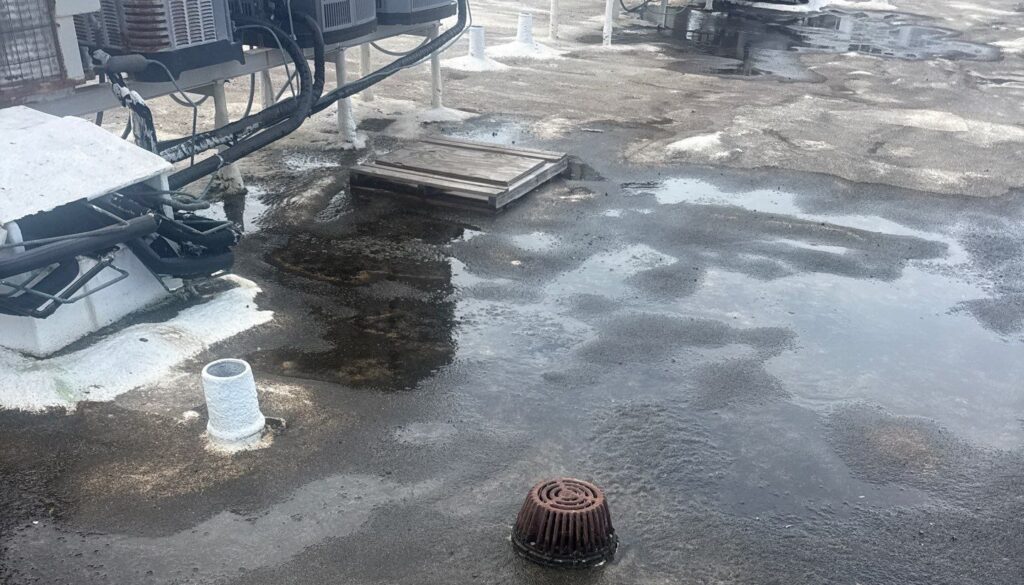
A small amount of water immediately after heavy rain does not, by itself, mean a low-slope roof has failed. We pay closer attention to water that repeatedly collects in the same area or remains after the roof has had a reasonable chance to dry. The National Roofing Contractors Association uses more than 48 hours after rain, under conditions conducive to drying, in its definition of ponding.
Persistent ponding deserves inspecting. Blocked drains, poor slope, or settled insulation can leave water sitting against seams and details, where a small defect may become a leak. We check the cause and the roof’s condition before deciding whether the answer is drainage work, repairs, or a larger correction.
Myth: You Only Need to Replace a Roof If It’s Leaking
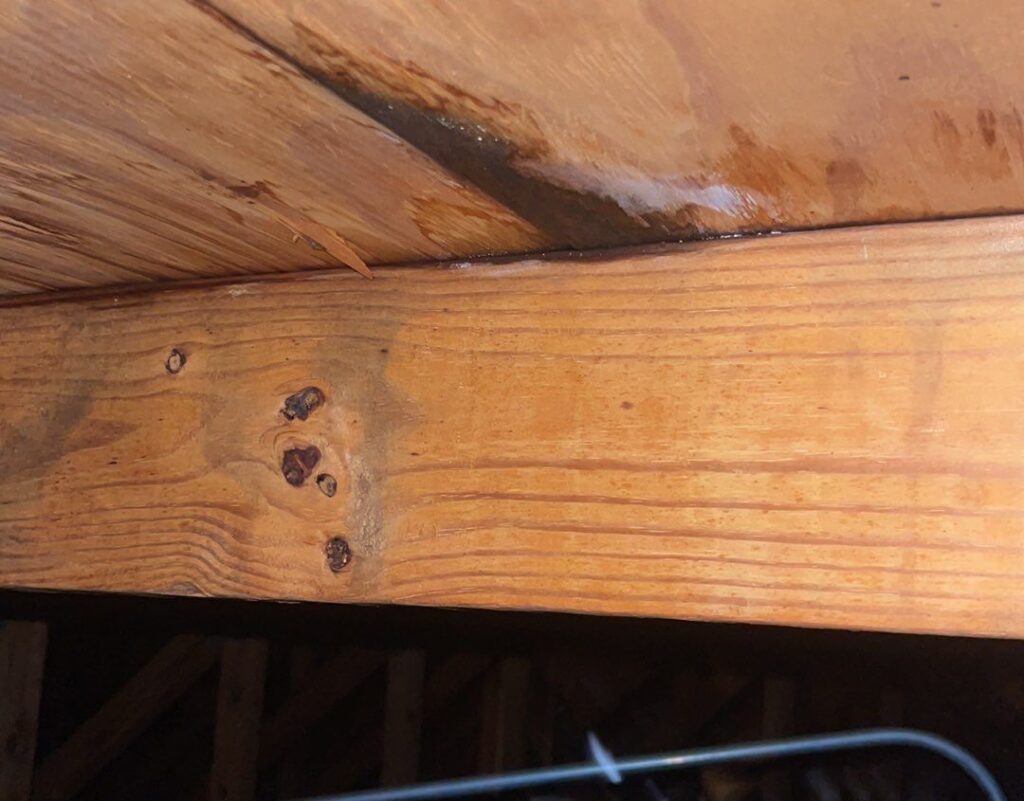
A roof might not have a leak but could still need to be replaced because shingle seals can weaken, flashing can deteriorate, and sealant around roof details can fail before water becomes visible inside the home. A ceiling stain is a late warning in some cases. A slow leak may also travel along framing or insulation before it reaches a finished ceiling.
Age alone is not a reason to replace a roof, either. If we recommend replacement, we should be able to show you the failing areas, explain why a repair is unlikely to hold, and tell you what we found in the surrounding roof system.
Myth: You Don’t Need a Permit
For most roofing work in Florida, you’re going to need a permit. There was a recent change to the law, but most of the existing permit requirements are still in place. Florida Statute 553.79 still requires permits for roof construction, alterations, and repairs across the state. The new change, which took effect July 1, 2026, creates an exemption for non-structural residential repairs under $7,500 on a single-family home, and local governments are required to follow it.
That gives homeowners a real exemption for certain small repairs, but it usually will not apply to a full roof replacement or repairs with any significant scope.
Miami-Dade County is part of Florida’s High-Velocity Hurricane Zone, so the permit process is more involved. Contractors may need roof-specific forms, product approval documents, and hurricane mitigation information for site-built single-family homes.
Martin County, which includes Palm City, is outside the HVHZ, so it does not require all of that extra documentation. However, the county still requires permits for new roofs and repairs to existing roofs.
The main difference between the two counties is not whether you need a permit. In most cases, you do. The difference is how much paperwork and documentation the permit process requires.
Myth: If There’s No Visible Damage, the Roof Must Be Fine
Some of the most troublesome roof defects are hidden. A nail placed too close to a shingle edge or keyway can give water a path into the roof. Flashing may be cracked, loose, or poorly integrated behind siding or stucco even when the exposed portion looks fine.
You may not see these problems from the ground, and they can be difficult to spot even during a walk across the roof. We know how to spot roof leaks early. We may need to examine the attic or carefully inspect beneath roofing materials. Water stains, rusted nails, and damp decking can help us trace water back to its entry point.
Myth: Dark Shingles Make Your Home Much Hotter
Dark roofing generally absorbs more sunlight than a comparable light-colored or reflective product. That can raise the roof surface temperature. It does not tell you, by itself, how much hotter the rooms below will feel.
Attic ventilation, insulation, roof assembly, and air sealing all affect the result. If you’re comparing roof colors for a Florida home, we can review those conditions along with the roofing product’s reflectance instead of promising a specific cooling benefit based on color alone. The U.S. Department of Energy notes that cool roof products can reduce roof temperatures and offer the greatest cooling benefit in hot climates.
Myth: Roofing Warranties Cover Everything
Roofing warranties have limits. A manufacturer’s material warranty and a contractor’s workmanship warranty cover different things, and neither should be assumed to cover every leak or type of damage. Storm damage, neglected maintenance, unauthorized alterations, and problems with components outside the covered system may be excluded.
Before you sign a contract, ask what products are covered, for how long, whether labor is included, and what you must do to keep coverage in effect. We would rather answer those questions before installation than have a homeowner discover an exclusion after a problem appears.
Myth: All Roofing Materials Are Basically the Same
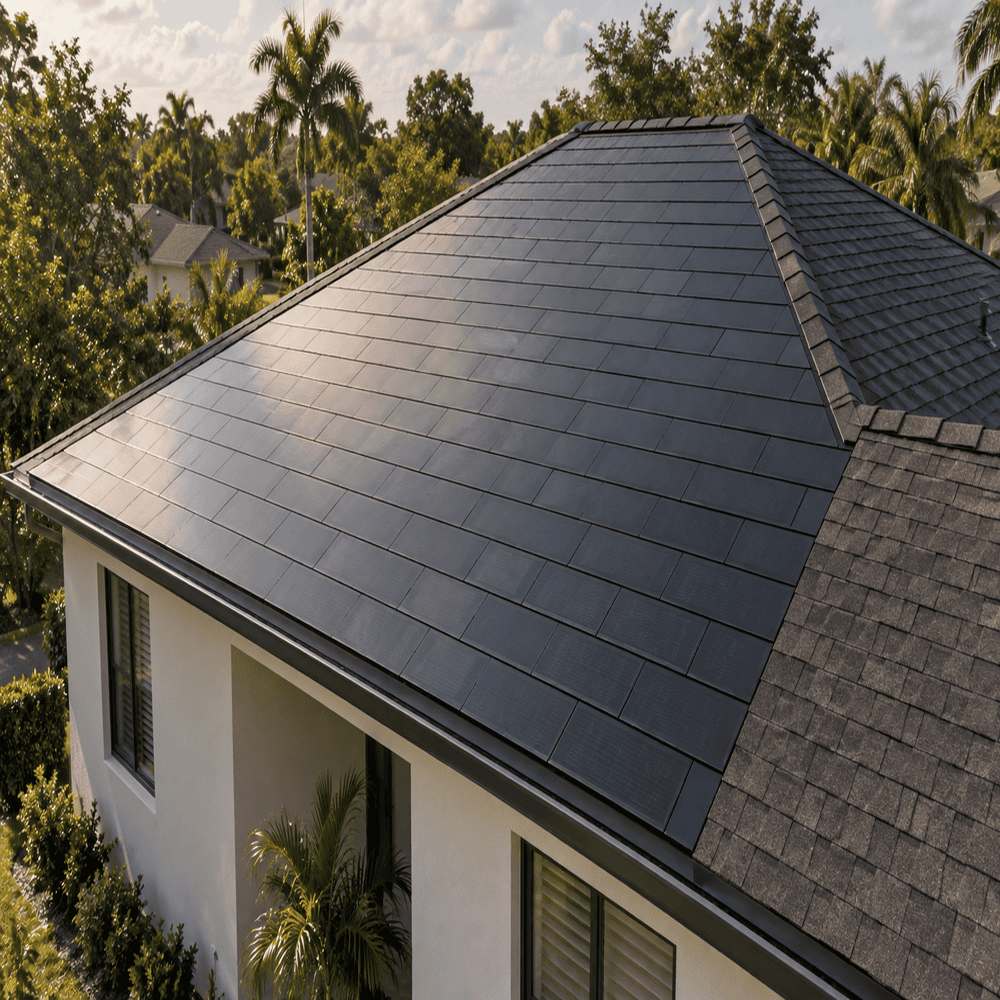
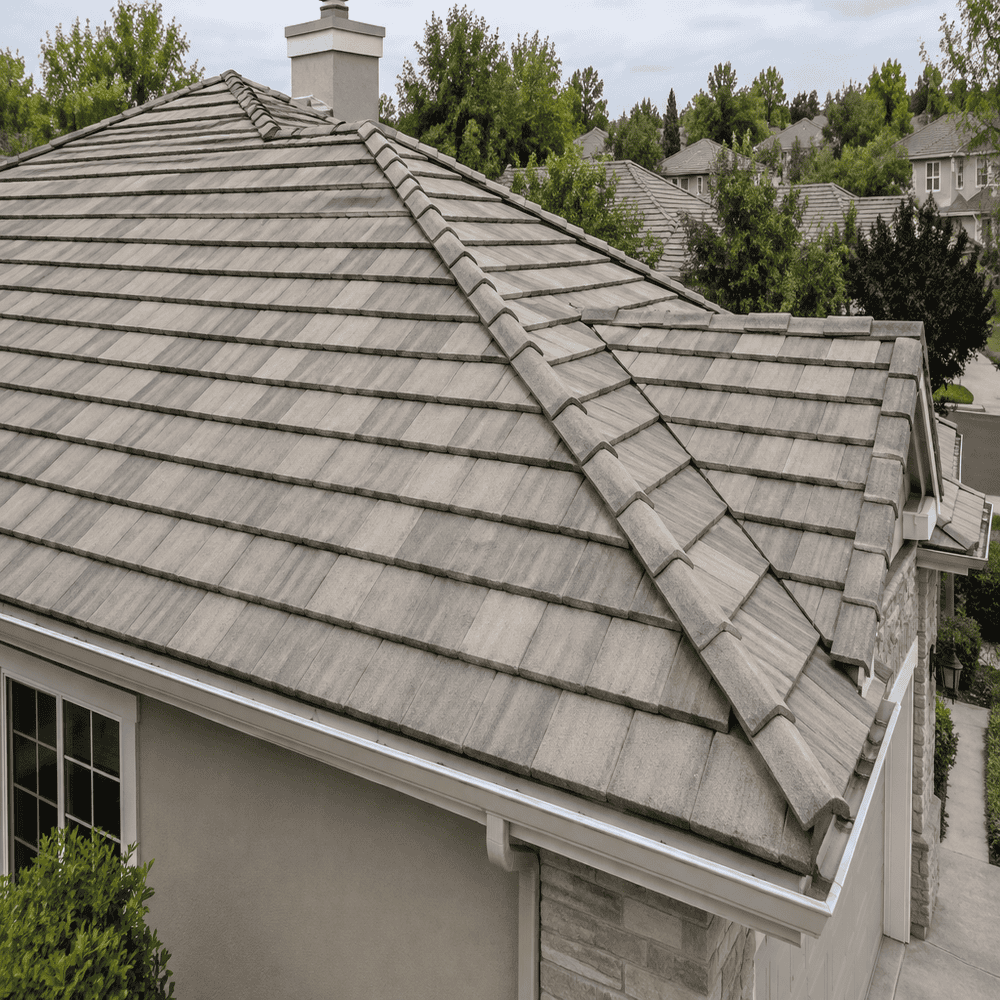
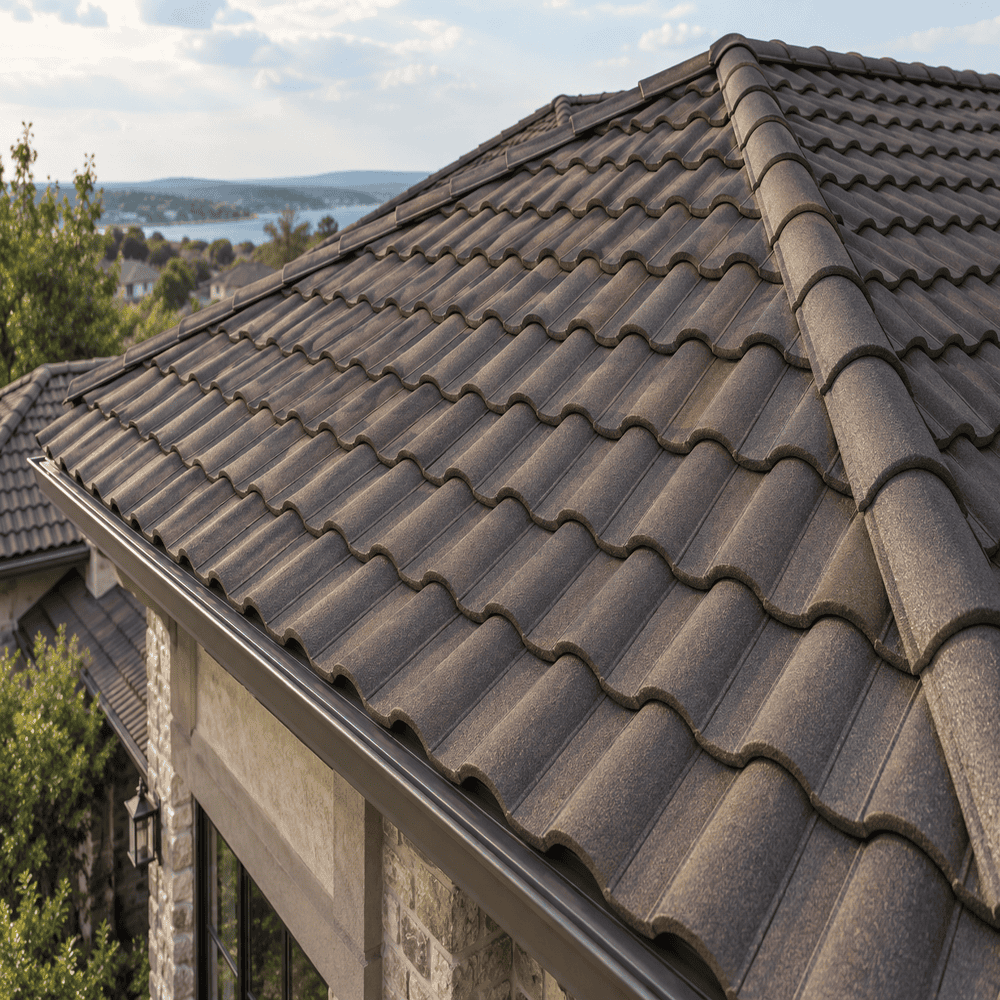
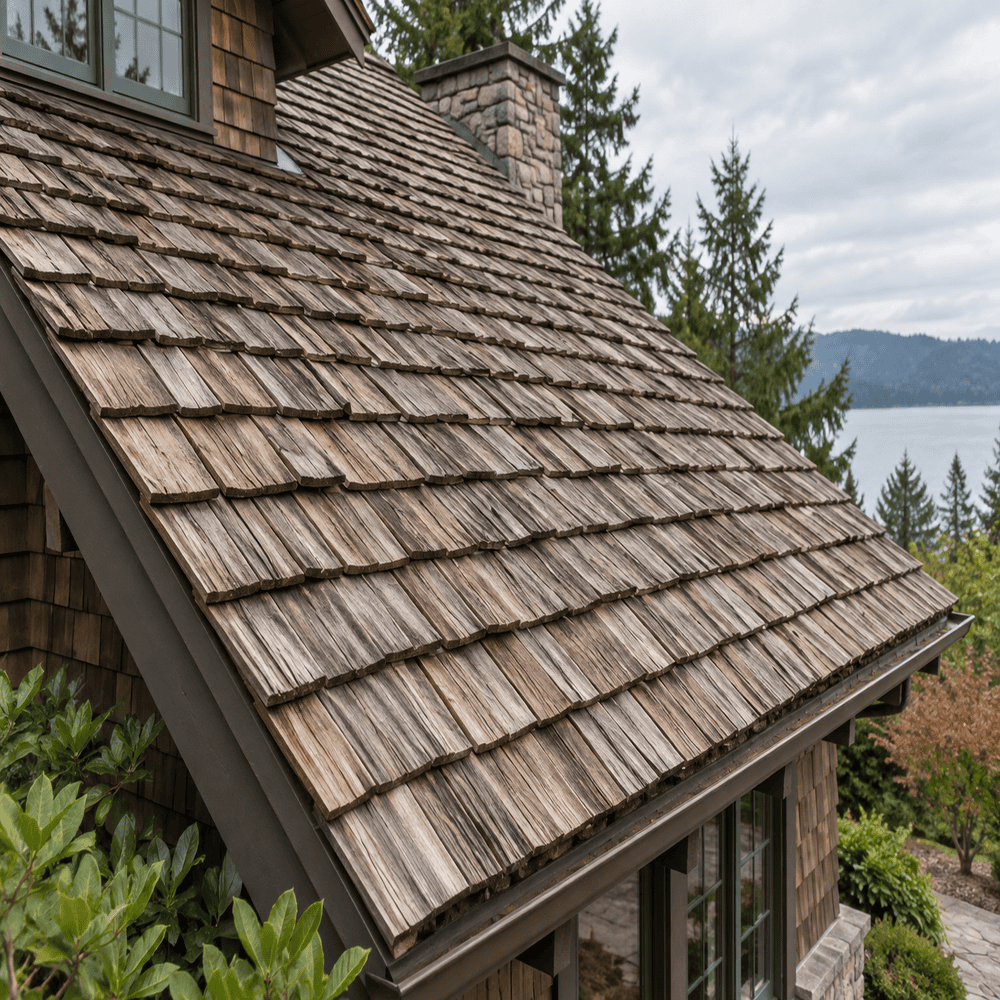
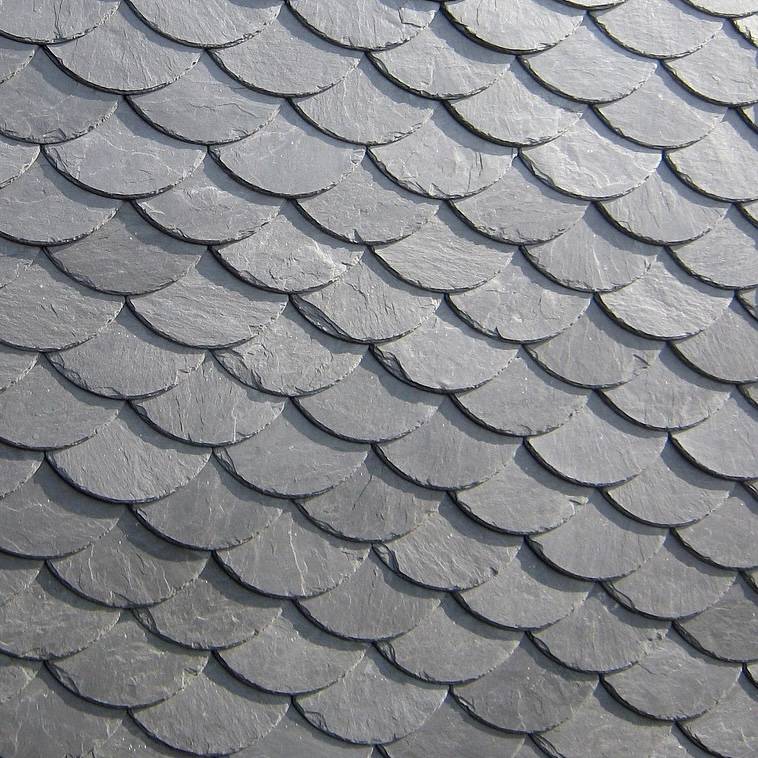
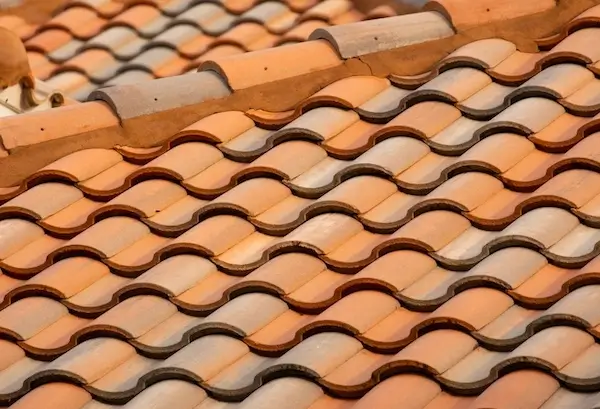
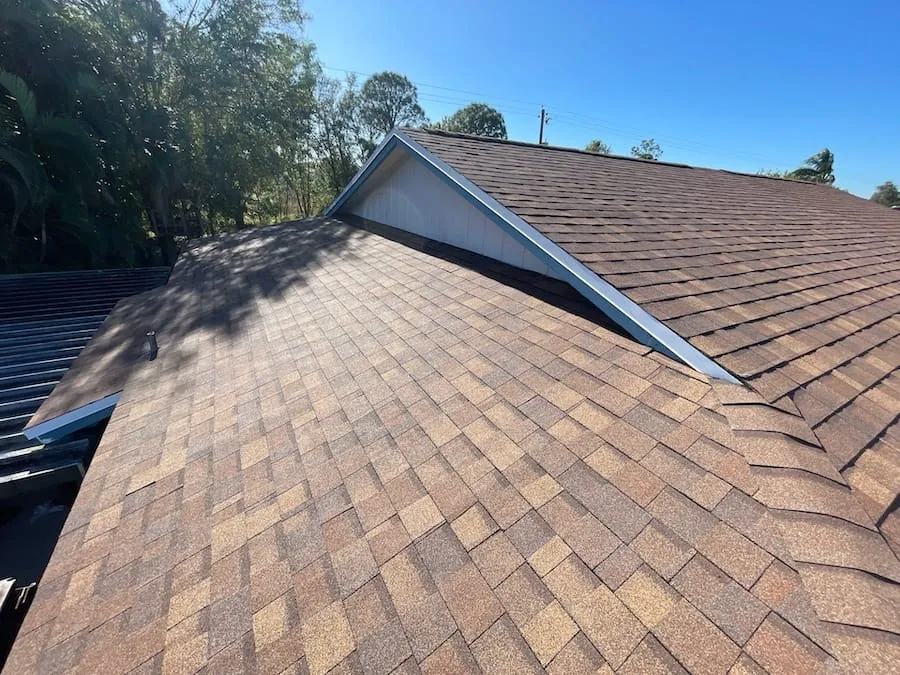
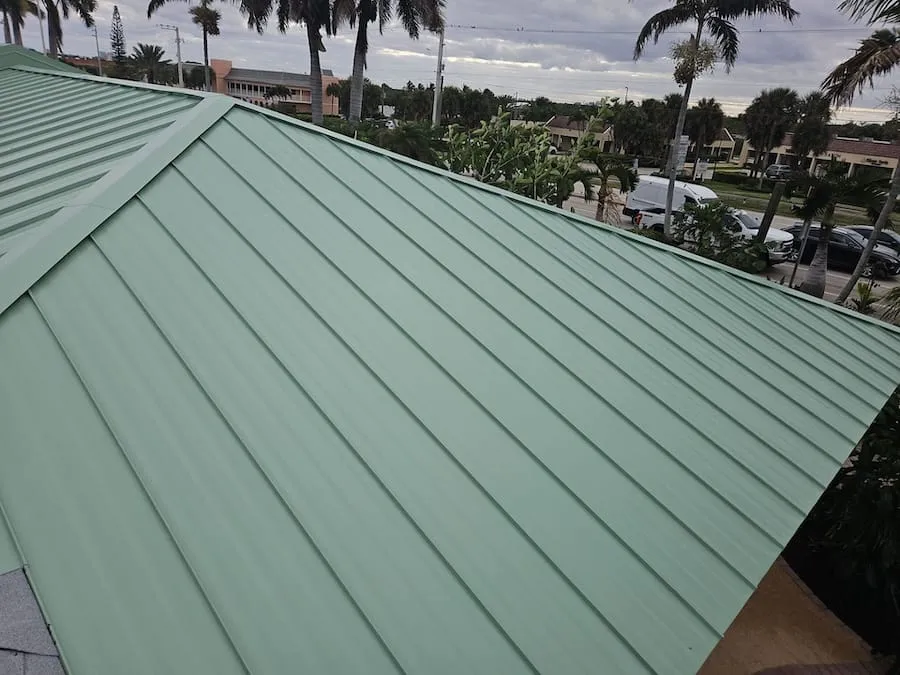
All roofing materials are not the same. Asphalt shingles, tile, metal, and low-slope roof systems handle water and weather in different ways. Even within one category, fastening methods, underlayments, coatings, and installation details can vary.
That matters in South Florida. A roof needs to fit the building’s slope, structure, exposure, and maintenance needs. We work with residential and commercial roofing systems, so we start with the building and the conditions it faces before recommending a material.
Myth: A New Roof Means I'll Never Have to do Maintenance
A new roof should not need constant attention, but it still needs periodic checks. Debris can block drainage, branches can damage materials, and sealants or exposed components can change over time. Storms can also create problems on a roof that was installed recently.
Roofing inspections give us a chance to find and address small issues before they turn into interior damage. It also creates a record of the roof’s condition, which can be useful when evaluating changes after a major storm. Whiting Roofing offers roof inspections and maintenance for residential and commercial properties.
Metal Roof Myths:
They Attract Lightning
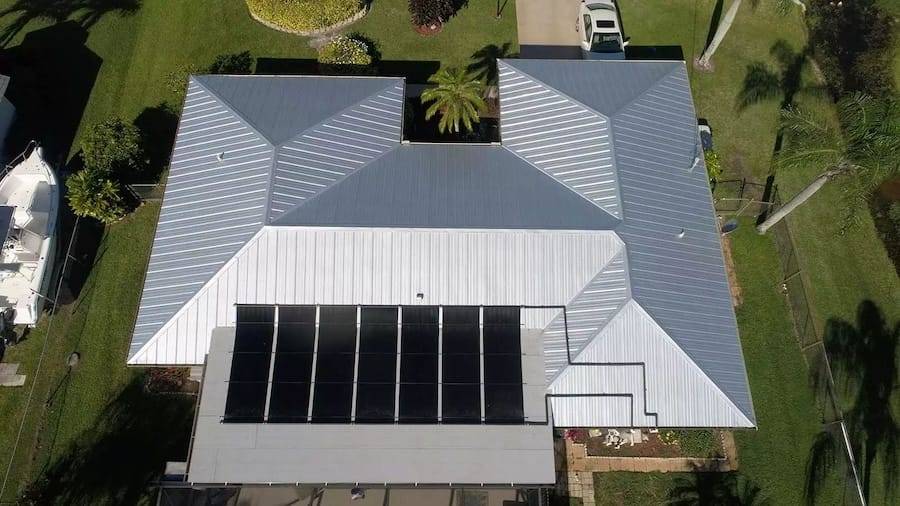
Metal roofing does not attract lightning. A building’s location, height, and shape have more to do with its likelihood of being struck than whether its roof is metal. Metal does conduct electricity, which is why lightning protection and electrical safety need to be considered correctly for any building.
They’re Loud in the Rain
The sound you hear inside depends on the full roofing assembly, including the decking, underlayment, insulation, and ceiling. Rain striking a bare metal panel on an open structure can sound very different from rain striking a properly installed metal roof over an enclosed home.
If noise is a concern, tell us before choosing a system. We can explain how the proposed assembly is built and what to expect; we would not promise that every metal roof will sound exactly like a shingle roof.
A Good Roofer Should Help You Separate Roofing Myths From Facts
With these roofing myths debunked, the next step is finding out what is actually happening on your roof. A good contractor should show you what they found, explain what caused the problem, and walk you through your repair or replacement options. The permit myth is a good example: you should get an answer based on the proposed work and your property, not a blanket claim that permits are never needed. You should leave the roof inspection understanding your roof better, even if you decide not to move forward with the work.
Schedule a Roof Inspection With a Local Roofing Expert
Choosing between roof repair, maintenance, and replacement starts with understanding what is failing and how much of the roof is affected. At Whiting Roofing, we inspect your roof, show you our findings, and explain which options make sense for its condition. Our roofing company brings more than 40 years of experience serving Martin County and Palm Beach County, with residential and commercial services across South Florida and the Treasure Coast. As a TAMKO Gold Certified Roofing Contractor with a BBB A+ rating and National Roofing Contractors Association membership, we bring established experience and industry credentials to the assessment. Contact our team to schedule an inspection and discuss your next steps.