
Professional roof inspections gives property managers a clear understanding of what a roofing system needs now and what it may need later. That information can help you prevent leaks, protect residents, manage maintenance, and plan future capital improvements.
However, not every roof inspection serves the same purpose. A quick inspection after a reported leak is different from a documented condition assessment used for long-term budgeting. Before scheduling regular roof inspections, decide what questions you need the roofing contractor to answer.
At Whiting Roofing, we inspect multi-family roofing systems throughout Florida. We focus on practical recommendations that help managers protect their buildings without paying for unnecessary work.
Different Types of Inspections
The right inspection depends on the condition of the roof and the information you need. We generally break roof inspections into three levels.
1. A quick visual inspection and verbal results
This is a basic overview of the roof’s visible condition to catch minor damage early. We may look for loose materials, damaged flashing, open penetrations, ponding water, debris, and other obvious concerns.
Depending on roof access and the property’s size, this type of inspection may be available at no cost. It can provide reassurance or identify wear and tear that deserves a closer look. However, it does not include detailed written findings or extensive documentation.
2. A more in-depth inspection of a specific location that is leaking or damaged
This inspection focuses on a known problem. It is appropriate when a resident reports a ceiling leak, roofing materials lift during high winds, or visible damage appears after a storm.
We examine the affected area and trace the problem beyond the most obvious symptom. Water can enter in one location and travel along the deck, framing, or insulation before becoming visible inside a unit. The ceiling stain is not always directly below the roof defect.
This inspection helps us identify the likely source and prepare an estimate for the necessary repair services.
3. Large detailed and documented roof inspections with pictures and a written analysis
A documented inspection provides a broader understanding of the roofing system. It may be requested for annual budgeting, reserve planning, transactions, board presentations, warranty records, or future replacement planning.
We document the roof’s overall condition, current defects, maintenance needs, repair options, and expected remaining roof lifespan. The scope can also include specific questions about products, upgrades, building codes, warranties, and long-term roofing plans.
Because this inspection requires more time on-site and additional work afterward, it is a paid service. The price depends on the roof’s size, roof type, number of buildings, access conditions, and the depth of reporting requested.
Who Should Inspect a Multi-Family Roof?
A multi-family roof should be inspected by a licensed roofing contractor with direct experience working on occupied communities. Evaluating the roofing system is only part of the assignment. The contractor must also understand how to operate around residents without creating unnecessary confusion or disruption.
For example, our team does not discuss the roof’s condition with residents unless the manager authorizes us to do so. Individual comments can quickly lead to rumors about leaks, assessments, insurance claims, or roof replacements before management has reviewed the facts.
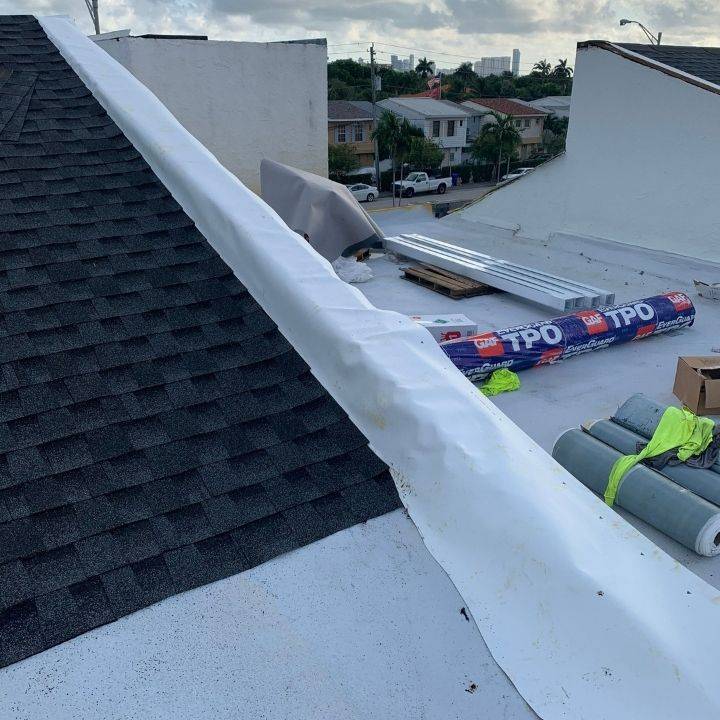
The contractor with professional expertise should know how to coordinate roof access, protect common areas, document conditions, and relay findings to the designated decision-maker. They should also understand the roofing systems commonly found on multi-family properties, including tile, shingles, metal, modified bitumen, TPO, coatings, and spray polyurethane foam.
Most importantly, the inspector should explain whether a problem calls for maintenance, a targeted services, including repair, restoration, or replacement. If every inspection ends with a replacement proposal, the management company is not receiving objective guidance.
Key Benefits of a Professional Roof Inspection
Professional inspections replace assumptions with useful information. It can show you where the roof is performing properly, where it is vulnerable, and which issues deserve priority.
Protection From Storm Chasers and High-Pressure Sales Tactics
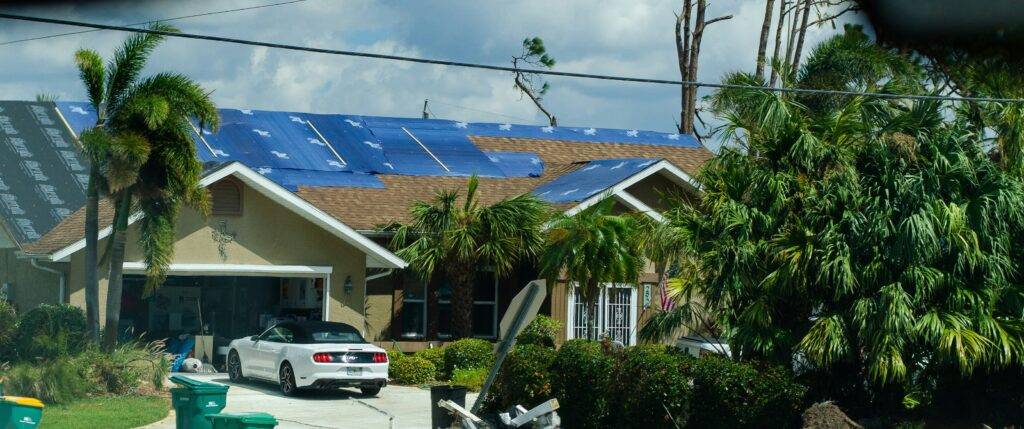
Florida property managers often receive unsolicited roofing offers after severe weather. Some contractors arrive from outside the area and use recent storms to push communities toward immediate roof replacement.
Storm damage should be taken seriously, but not every damaged area requires a complete replacement. A qualified contractor should determine the extent of the problem before recommending the most expensive option.
We frequently find that targeted repairs can correct the immediate concern and extend the roof’s useful life. If the system is still serviceable, we will explain what can be repaired, what should be monitored, and what may eventually require replacement.
An inspection gives the manager evidence to evaluate recommendations instead of making decisions based on sales pressure.
A More Thorough Evaluation With Documentation You Can Use
A professional roof inspection is more than scanning the roof’s most visible surfaces. Depending on the building and the reason for the inspection, we may evaluate the roof covering, flashing, penetrations, drainage areas, edge details, previous repairs, and accessible interior or attic spaces.
Photographs provide a record of the conditions found during the inspection. They can help a manager explain an issue to an owner, association board, maintenance team, insurance representative, or reserve specialist.
Detailed reports can also outline repair services, suitable products, applicable warranties, and areas that require continued monitoring. This gives the manager something more useful than a general statement that the roof is “good” or “bad.”
Better Tools for Finding Hidden Problems
Not every roof problem can be confirmed through a standard visual inspection. When the situation requires additional investigation, we can use tools and testing methods suited to the roof and the suspected problem.
A moisture meter can help identify areas where water may be trapped beneath the roof surface. Infrared cameras and thermal imaging may reveal temperature differences associated with moisture, although findings sometimes require additional verification.
Drones can help us view steep, difficult, or widespread roofing areas. They are useful for documenting general conditions, but they do not replace hands-on roof inspections when safe roof access is available.
We may also perform controlled water testing with a hose to isolate a suspected leak. On certain flat roofing systems, core cuts can help us examine the existing layers and determine whether moisture has entered the insulation.
We select the method based on the problem. Using more technology does not automatically create a better inspection. The value comes from knowing which tool can provide a dependable answer.
Clear Guidance for Repairs, Maintenance, and Replacement Planning
Useful roof inspections should help you decide what happens next. We separate urgent repairs from routine multi-family roofing maintenance and long-term planning items.
For example, an active opening around a roof penetration may require immediate attention. Debris blocking a drainage area may need routine maintenance. Widespread material deterioration could indicate that replacement planning should begin, even if the roof is not currently leaking.
This priority-based approach helps managers direct funds toward the most important work first. It also reduces the risk of spending money on repeated temporary repairs when the overall roofing system has reached the end of its practical service life.
Helps Detect Roof Damage Before Roof Repair Becomes Expensive
Small roofing defects often become expensive because water continues moving beneath the visible surface. Caulking, sealants, flashing, and penetration details are particularly important because they protect openings in the roofing system.
We conducted one roof inspection at a Palm Beach building where the sealant around numerous roof penetrations had deteriorated. At that point, replacing the failed caulking was a manageable maintenance project.
If the condition had remained neglected for another year or two, water could have damaged the plywood around each penetration. The roofing may then have needed sections of decking, tile, underlayment, and flashing replaced.
Finding the problem early gave the management an opportunity to maintain the roof before water reached more expensive components or damaged structural integrity.
Longer Roof Life Through Proactive Maintenance
Roofing systems last longer when small defects are corrected before they spread. Regular inspections allow us to identify issues such as failed sealants, loose flashing, damaged membranes, cracked tiles, open seams, clogged drains, and exposed roofing materials.
Proactive maintenance does not make a roof last forever. However, it can help the system extend roof life while reducing emergency roof repair calls.
Maintenance records also reveal patterns. If the same section continues leaking after multiple repairs, the manager can investigate the underlying cause instead of repeatedly treating the visible symptom.
Support for Insurance, Warranty, and Property Records
Photos, inspection notes, repair invoices, and maintenance records create a history of the roof. That history may help document the roof’s condition before or after a storm, support a warranty services request, or answer questions during an insurance review.
Documentation does not guarantee that an insurer or manufacturer will approve a claim. Coverage depends on the applicable policy, warranty, cause of damage, and other requirements. However, clear records are more useful than trying to reconstruct the roof’s condition months or years later.
Property records also make transitions easier when management companies, board members, or maintenance employees change. The next person responsible for the roof can see what was found, what was repaired, and what still requires attention.
Stronger Budgeting for Future Capital Improvements
Roof replacement is a major expense for a multi-family dwelling. Waiting for widespread leaks before planning that expense can leave a community with limited options.
Detailed roof inspections can provide an estimated remaining service life and identify work that may help the roof remain functional during the planning period. That information can be used when developing annual budgets, updating reserve studies, or discussing future assessments.
The remaining-life estimate is not a guarantee. Storms, hidden installation defects, drainage problems, and unexpected material failures can change the timeline. Still, an informed projection provides a stronger starting point than the roof’s age alone.
What a Paid Inspection From Whiting Roofing Includes
If your building has roof damage and you need a roof repair estimate, we can usually inspect the affected area and provide the estimate at no cost. A paid roof inspection serves a different purpose. It provides deeper documentation for budgeting, planning, or understanding the condition of an entire roofing system.
The scope can include:
- Photographs showing the roof’s overall condition
- Documentation of active defects and vulnerable areas
- Upcoming maintenance items
- Descriptions of recommended repairs or maintenance services
- Priorities based on urgency
- An estimate of the roof’s remaining service life
- Responses to specific questions about upgrades, products, warranties, or code requirements
- Long-term considerations for roof repair, restoration, or replacement
We tailor the documentations to the people who will use it. A manager may need a practical maintenance plan, while an association board may need photographs and explanations for an upcoming budget discussion.
Before we begin, we establish the roof inspection’s scope so you know what information the final documents will include.
Real Property Manager Scenarios Where a Paid Inspection Can Pay Off
Roof Restoration
In Palm City, we were contacted about ponding water on a flat roof. The roof was not ready for roof replacement, but management was concerned that standing water would accelerate the roofing material’s deterioration and breed mold.
Our roof inspection found that the roof had inadequate slope in specific areas. Adding another drain was not practical because of the existing building and drainage configuration.
Since the ponding was limited to smaller sections, we used spray polyurethane foam to reshape those areas and help direct water toward the existing drains. SPF can be applied at varying thicknesses, making it useful for correcting certain localized drainage issues.
This targeted solution addressed the ponding without replacing the entire roof. It also helped the manager protect the existing system while planning future capital improvements.
Targeted Maintenance
Another multi-family community had its roofs replaced, but poor workmanship eventually led to leaks. The problems became noticeable approximately ten years after installation. The community did not have the budget for another complete replacement.
We inspected the roofs to identify the most vulnerable areas and determine what could be maintained. Some conditions were straightforward, including failed caulking around flashing and pipe collars. Other areas required more technical repairs.
Our team replaced roofing material around a roof hatch and installed new metal flashing at specific transitions. By addressing these weak points, the community kept the roofing system functional while rebuilding its reserves and preparing for a future replacement.
Neither building needed a contractor to make a quick replacement recommendation. Each needed a clear understanding of the roof and a practical plan based on its current budget.
When Should You Schedule a Multi-Family Inspection?
Do not wait until several residents notify you of an active roof leak. An inspection is most useful when there is still time to make a controlled decision.
Schedule an inspection when you take responsibility for a new parcel, prepare an annual budget, update a reserve study, notice recurring leaks, or approach the roof’s expected replacement window. We also recommend an inspection after a major storm or when visible conditions change.
Warning Signs That Should Not Be Ignored
Contact a roofing contractor when you notice loose roofing materials lifting during high winds. Movement can indicate failed fasteners, damaged adhesive, open seams, or installation problems that may worsen during the next storm.
Damaged or rotting fascia wood around the roof’s edges should also be investigated. Fascia deterioration can result from failed edge flashing, overflowing gutters, damaged roof materials, or water moving behind the exterior finish.
Other signs include:
- Water stains on ceilings or walls
- Musty odors inside upper-floor units
- Repeated leaks in the same area
- Ponding water that remains after rainfall
- Loose, cracked, or missing tiles
- Open membrane seams
- Blisters or soft areas on flat roofs
- Rusted flashing or metal roof components
- Debris blocking drains, scuppers, or gutters
- Unexplained increases in roof repair calls
A single symptom does not always reveal the full problem. The inspection should determine how water is entering and whether surrounding materials have been affected.
How Often Multi-Family Roofs Should Be Inspected
We generally recommend scheduling regular roof inspections once a year and after major storms. Annual inspections create a regular opportunity to address sealants, drainage, flashing, and minor material damage.
The schedule may need to be more frequent for an older roof, a site with large trees, a system with a history of leaks, or a building near the coast. Roofs undergoing repeated repairs may also benefit from closer monitoring.
After a major storm, inspect the roof even if residents have not reported leaks. Wind can loosen materials or damage flashing without creating immediate interior symptoms. The next heavy rain may expose the problem.
Questions You Should Ask Before Booking
Before hiring a contractor, ask questions that clarify both their experience and the inspection’s scope:
- Are you licensed and insured to perform roofing work in Florida?
- Do you regularly inspect occupied multi-family properties?
- Which roof systems does your team have experience evaluating?
- Will you coordinate all communication through the management company?
- Does the inspection include photographs?
- Will we receive a verbal summary or written documentation?
- Will you inspect accessible attic or interior areas when needed?
- Can you estimate the roof’s remaining service life?
- Will recommendations distinguish urgent repairs from future maintenance?
- Are specialized tests included or priced separately?
- Can the analysis address questions from our board or reserve specialist?
- Will you explain repair, restoration, and replacement services?
- What information do you need before preparing the inspection price?
Be specific about what you expect to receive. When you need a board-ready condition summary, you should not book a basic visual inspection and assume detailed documentation is included.
What Should Professional Roof Inspections Cost?
There is no responsible flat price for every multi-family roof inspection. A single low-slope building with easy access requires less time than a community with numerous buildings, roof levels, materials, and interior leak locations.
The price can depend on:
- Number and size of buildings
- Roof access and height
- Roofing system type
- Number of roof sections
- Interior or attic access
- Amount of photographic documentation
- Level of written analysis
- Specialized testing requirements
- Questions involving warranties, codes, or future upgrades
A quick inspection connected to a roof repair estimate may be free. A detailed roof inspection and written analysis require more fieldwork, and documentation, so they are priced according to the requested scope.
We recommend telling us what the documentation will be used. That allows us to build an inspection around your actual needs instead of charging for information that will not support your decision.
Quick Questions and Answers
Are Paid Inspections Worth It if the Roof Looks Fine?
Yes, especially when the dwelling needs reliable information for budgeting or long-term planning. Many early roofing problems are difficult to see from the ground. Failed sealants, open seams, drainage issues, and moisture beneath a roof surface may develop before interior leaks appear.
Paid roof inspections can establish the roof’s current condition and create a baseline for future services. It can also identify lower-cost maintenance that may prevent more extensive wear and damage.
Will a Paid Inspection Force Me Into a Contract?
No. Paying for an inspection does not obligate you to hire us for the recommended work. The purpose of the inspection is to give you clear information about the roofing system without hidden costs.
If repairs, maintenance, restoration, or replacement are recommended, we can provide the appropriate scope and pricing. You can review those recommendations with your owners, board members, or other decision-makers before moving forward.
Can an Inspection Help With Insurance or Warranty Documentation?
Yes. Inspection photographs, condition notes, repair records, and maintenance history can provide useful supporting documentation. These records may help show when a condition was discovered and what steps were taken afterward.
However, a roof’s inspection does not determine insurance coverage or guarantee warranty approval. The insurer or manufacturer will review the applicable terms and cause of damage. Our role is to document roofing conditions accurately and explain the work that may be needed.
Schedule a Professional Multi-Family Roof Inspection
If you manage apartments, condominiums, townhomes, or an HOA community, we can help you understand the condition of your roofing system. Whiting Roofing has more than 40 years of experience providing services to commercial and multi-family facilities as well as homeowners, including roof repair, maintenance, restoration, and replacement.
We work around occupied properties with minimal disruption and keep communication directed through property management. Whether you need an estimate for active damage or a detailed report for future budgeting, we will match the inspection to the information you need.
Contact us to schedule a professional multi-family roof inspection in Florida and build a clearer plan for your building.