
Tile roofing is known for its long life and classic look. It is also one of the most demanding systems to install and maintain. If you are considering tile, it helps to weigh the benefits against the tradeoffs before you commit.
This guide walks through the pros and cons of tile roofing. It also explains how tile roofs perform in different climates, what your home structure needs to support it, and the key questions that help you avoid a bad install.
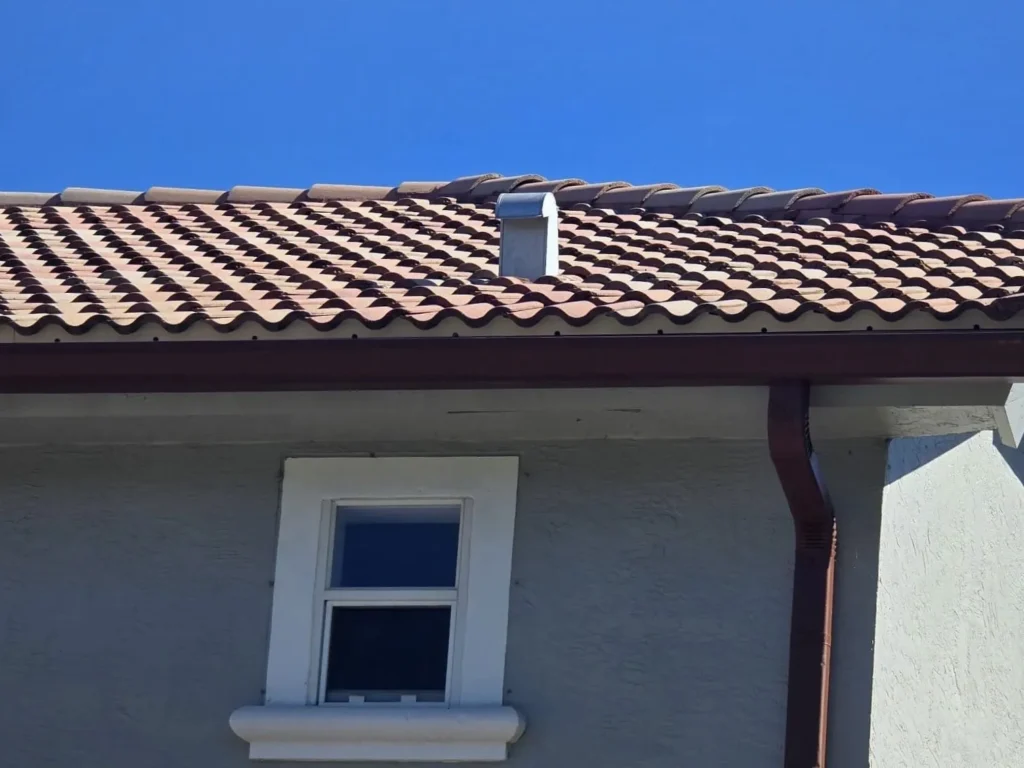
Tile Roofing ‘Pros’
1. Curb Appeal
Tile roofing also has a high-end look and style to it that stands out. It fits many architectural styles and can make a home feel more finished and intentional. Tile profiles and colors can match everything from coastal designs to Mediterranean and modern builds.
Because tile has depth and texture, it often looks better from the street than flatter materials. For many homeowners, this is the main reason they choose tile.
2. Durability
Durability is another major advantage. Tile roofs can last 30-40 years when installed correctly and supported by the right underlayment. Concrete and clay tile hold up well to sun exposure and heat. They also resist rot, insects, and many of the problems that shorten the life of other materials.
That said, durability is not only about the tile itself. The waterproofing layer under the tile matters even more. A tile roof can look fine on top while the underlayment is failing underneath. If you want tile roofing to last for the long haul, focus on the full roof system, not only the tile.
3. Energy Efficiency
Tile can help with heat management, especially in hot and sunny climates. Many tile roof systems create a small air space that improves airflow under the tile. That gap can reduce heat transfer into the attic compared to some other roof types.
Energy efficiency still depends on the full setup. Attic insulation, ventilation, and roof color can make a bigger difference than homeowners expect. Tile can support good performance, but it is not a shortcut around poor ventilation or weak insulation.
Tile Roof ‘Cons’
1. Cost
Tile roofs cost more than a shingle roof. The material costs more. The labor costs more. The details matter more, so skilled crews charge more. Your roof structure may also need upgrades to support the weight.
The good news is that the long life can offset the upfront cost for many homeowners. The key is making sure you are paying for a complete system that is long-lasting, not a tile roof that looks good but fails early underneath.
2. Weight
Tile is heavy compared to most roofing materials. That extra weight can require structural review and framing upgrades, depending on the home. Some houses are built to handle tile. Others are not.
This is not something to guess on. If the framing is not designed for tile loads, problems can show up over time. Sagging, cracked drywall, and shifting roof planes are all risks when weight is ignored.
3. Maintenance
Tile is durable, but it is not maintenance-free. Individual tiles can crack from impact, fallen branches, or foot traffic. When tiles crack or slip, the roof can become vulnerable in those spots. In humid climates, surface staining and biological growth can also affect tile appearance over time, which is why understanding how to prevent roof algae growth is part of long-term tile maintenance.
Tile roofs also require careful service work. Walking on tile the wrong way can cause breakage. Repairs often take more skill than shingle repairs, and matching tiles later can be difficult if the original product is discontinued.
When Roofing Tiles Make Sense for Your Home
Tile can be a strong choice when the home is built for it and the budget supports it. It is also a smart option if you plan to stay in the home long enough to benefit from the lifespan.
Before you decide, focus on the two big realities. Tile is a premium system. It rewards proper planning and punishes shortcuts.
Tile Roofing Performance by Climate
Tile performs very well in hot climates and strong sun. It also offers good fire resistance. In high-wind areas, tile can perform well when the fastening method is correct and the roof is built to modern standards.
In hail zones, impact is a concern. The roof may still do its job, but cracked tiles can become a recurring repair issue. In colder climates, the risk depends on the tile type, installation details, and how well water is managed. Poor drainage and bad flashing details can turn small issues into leaks fast.
If you live near the coast, salt air and wind-driven rain put more pressure on every roof detail. The tile may hold up fine, but the underlayment and flashing choices become even more important.
Your Home Structure and Roof Framing
Tile is not a simple swap from shingles. The framing and roof deck need to support the added load. That usually means a structural review before the project starts.
A good contractor will not guess. They will either confirm the structure is adequate or recommend an engineer when needed. If someone says, “It will probably be fine,” that is not good enough for a system this heavy.
Types of Roofing Tiles and When Each Makes Sense
Not all roofing tiles perform the same. The right style choice depends on budget, structure, climate, and long-term goals.
Clay Roofing Tiles
Clay tiles are known for their classic appearance and long lifespan. They perform well in hot, sunny climates and resist fading. Clay tile is durable but brittle, which means impact damage is a concern. These tiles are best suited for homes designed to support the weight and owners focused on longevity and appearance.
Concrete Roofing Tiles
Concrete tiles offer a similar look at a lower material cost. They are thicker, heavier, and more impact-resistant than clay in many cases. Concrete tiles work well for homeowners who want tile performance with more flexibility in color and profile. Weight and structural support still matter.
Synthetic Roofing Tiles
Synthetic tiles are designed to mimic clay or slate without the same weight. They are lighter, easier to install, and often more forgiving during repairs. Synthetic options make sense when the home structure cannot support traditional tile or when budget and installation speed are key factors.
Tile Roofing Cost vs. Shingles: Typical Price Ranges
Tile roofing costs more upfront than asphalt shingles, mainly due to material weight, labor, and installation complexity. On average, homeowners can expect tile roofing to cost two to three times more than a standard shingle roof.
As a general ballpark, asphalt shingles often fall in the lower price range per square foot, while tile roofing sits in a higher range per square foot installed. The final cost depends on tile type, roof slope, tear-off requirements, underlayment system, and whether structural upgrades are needed.
While shingles may cost less upfront, tile roofing lasts longer, which can offset the cost difference by delaying the need for a roof replacement. The key is understanding that you are paying for a long-term system, not just a surface material.
Questions to Ask a Roofing Contractor
Tile roofing is a premium system, and the details matter more than most homeowners expect. Before you commit to a tile roof or any roof replacement, ask questions that reveal how the contractor handles the full roofing system, not just the tile on top. The goal is simple. Confirm they understand waterproofing, flashing, and long-term repair planning, so you are not left with a great-looking roof that leaks later.
What Underlayment System Will You Use and Why?
Roofing tiles are not the waterproofing layer. The underlayment does most of the water protection. Ask what type of underlayment they use, how it is installed, and what lifespan you should expect from it.
If the underlayment fails, the roof can leak even if the roofing tile looks perfect. This is one of the most important questions you can ask.
How Will You Handle Valleys, Flashing, and Penetrations?
Most leaks happen at transitions, not in the open field of the roof. Valleys, skylights, chimneys, plumbing vents, and wall intersections are where installs succeed or fail.
Ask what flashing method they use, how they seal penetrations, and how they handle valley design. A contractor who cannot explain this clearly is not ready for tile work.
What Your Repair Plan Looks Like Long-Term
Ask how repairs will work years from now. Will they stock spare tiles for you? Can they source matching tile later? What does a typical repair visit look like? How do they avoid breaking tiles during service?
A strong answer here is a sign of experience. A vague answer often means you will be on your own later.
Can You Install Tile Over an Existing Roof?
In most cases, a tile roofing system should not be installed over an existing roof system. Tile is heavy and requires proper preparation. Installing over old roofing material can hide problems, shorten the life of the system, and could even alter your warranty coverage.
If a contractor suggests skipping tear-off without a clear plan and documentation, treat that as a red flag. There are rare situations where an overlay is considered, but it should be backed by code compliance, manufacturer requirements, and structural confirmation.
Next Steps: Inspection, Structural Review, and a Quote
Start with a roofing inspection that focuses on structure and details, not only surface condition. If you are switching to a tile roofing system, get a structural review or engineering guidance when needed. Then get quotes that spell out the full system, including underlayment, flashing, fastening method, and a ventilation plan.
Tile roofing can be a great investment. The safest path is choosing a contractor who treats it like a system and can explain every layer with confidence.
Get a Professional Tile Roofing Assessment
Choosing tile for a roof replacement is a big decision, and the risk is getting locked into a system that does not fit your home, budget, or structure. Whiting Roofing helps homeowners make that decision with clarity, not pressure. As a BBB-accredited contractor with an A+ rating, strong Google reviews, and membership in the National Roofing Contractors Association, we evaluate whether tile truly makes sense for your home before you commit. You get clear guidance on structure, system design, long-term maintenance, and cost expectations, so you can move forward knowing tile is the right investment, not just an attractive option.