
A spray polyurethane foam roof can give building owners a smart way to protect their property, improve efficiency, and extend the life of the roof without rushing into a full replacement. In the roofing industry, this system stands out because spray foam creates a seamless layer that can both insulate and protect. When the roof is the right candidate, spray foam roofing is often a practical answer for owners who want performance and value.
At its core, SPF is a liquid that becomes a solid roofing layer within seconds. That reaction creates foam that expands, bonds, and seals across the surface. Because the polyurethane foam is built in place, a spray applied roofing system is able to fit around penetrations, curbs, and transitions with fewer weak spots than many traditional systems. That is one reason SPF is considered a great option for many low-slope buildings.
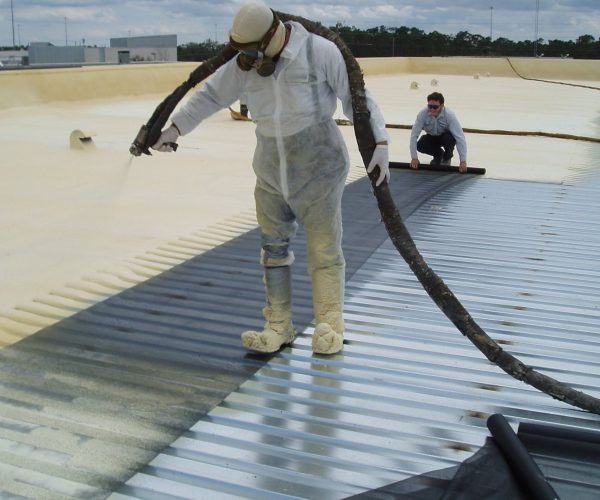
How Spray Polyurethane Foam (SPF) Roofs Work
An SPF roof is applied using material that reacts and expands into foam. Once cured, the spray foam forms a continuous layer across the roof. In many cases, spf is applied directly over a prepared substrate, which helps reduce tear-off and disruption. That makes roof spray foam useful for owners who want to improve the roof while keeping the project more efficient.
For the right building, it is especially attractive because it can sometimes be installed over an existing flat roof system. Instead of removing every layer, a roofer may be able to inspect the surface, fix damaged areas, and restore the roof with new spray foam. This can save time and labor and reduce the mess that often comes with a complete replacement.
Why Foam Roofing Appeals to Building Owners
One of the biggest benefits is that the spray foam combines insulation and waterproofing in one system. That matters because spray foam helps seal small gaps while also improving thermal performance. In simple terms, the spray foam does more than just sit on top of the roof. The spray foam becomes part of the roof assembly itself.
Another advantage is flexibility. Because spray foam conforms to the roof surface, foam can work well on detailed roof top applications where other systems may require more cutting, more seams, or more labor. The material is designed to follow irregular shapes, which can help the roof perform better over time.
Roofing foam can also help control leaks. Since spray foam forms a continuous layer, there are fewer exposed seams where water can work its way in. That does not make the roof maintenance-free, but it does mean the spray foam can reduce some of the common trouble spots found on older systems.
The Materials Behind SPF Roofing
Most spray foam roof systems are built with polyurethane. The exact label may change, but the goal stays the same. The foam is used to create a durable, insulated roofing surface that can support long-term performance.
After the spray foam sets, the system is protected with a top seal. In many cases, a white silicone roof coating that can help reflect heat, protect the roof surface from ongoing weather exposure, and support longer-lasting performance. This surface can help reduce heat buildup, and that can make a difference in energy use during hot weather. A properly protected spray foam surface is what ensures the system lasts.
Where SPF Works Best
Spray foam works best on low-slope and flat roofing systems where seamless coverage, added insulation, and waterproofing bring the most value. It is often a strong fit for modified bitumen, built-up roofing, certain single-ply systems, and commercial metal roof restoration as long as the existing surface is dry, stable, and properly prepared. SPF is especially useful on roofs with many penetrations, curbs, transitions, or irregular details because the foam can conform around those areas with fewer seams than many traditional materials. It can also work well on aging roofs that are still structurally sound but need better drainage, renewed protection, and longer service life without a full tear-off.
SPF can make sense for many properties, including commercial buildings, warehouses, and other structures where insulation and waterproofing matter. If the roof deck is stable and the existing system is in serviceable condition, spray foam may offer a strong path forward. It is not the answer for every building, but it can be a very effective system when matched to the right conditions.
What the SPF Application Process Looks Like
Every project starts with preparation. Roof inspections, checking for trapped moisture, and identifying areas that need repair before the foam is applied. That prep work matters because spray foam performs best when it bonds to a clean, dry, stable surface. Because SPF requires specialized equipment, controlled spray conditions, and proper surface preparation, it is different from a basic DIY roof coating project.
Once the roof is ready, SPF application begins. Our crew uses specialized equipment to control the spray, the thickness, and the finish. During this process, it is sprayed in passes so the spray foam builds to the correct depth. Because spray conditions matter, our crew has to monitor weather, wind, and surface temperature carefully. If material is sprayed in poor conditions, the system may not perform the way it should.
Material quantities may be discussed in terms of gal usage, but volume alone does not guarantee quality. Good results come from proper prep, skilled application, and attention to detail from start to finish. That is why choosing the right company matters.
Energy Performance and Long-Term Value
A major reason owners look into polyurethane foam is efficiency. Spray foam insulation helps reduce heat transfer through the roof, which can help the building stay more comfortable. Over time, that can help reduce energy costs. It can also help save the roof from some of the stress caused by repeated heat cycling.
That combination of insulation and waterproofing is what makes spray foam different from many other systems. Instead of simply covering the roof, the spray foam adds another layer of function to the building. For owners thinking long-term, that added value can be a big part of the decision.
Another long-term benefit is renewability. When an SPF roof is maintained properly, many systems can avoid early tear-off because the protective coating can be cleaned, repaired where needed, and reapplied at the right time. That gives owners a way to extend roof life in phases, which can make budgeting easier and reduce disruption compared to replacing the entire system all at once.
Maintenance, Coatings, and Warranty Coverage
Like any roofing system, spray foam still needs maintenance. The spray foam itself must be protected from sun exposure, which is where a silicone coating comes into play. It is applied over SPF to create a seal to of protection from UV degradation. Over time, that may need to be renewed so the spray foam stays protected and the system keeps performing as intended. Regular inspections matter here because small coating wear can often be corrected before it exposes the spray foam below. If that maintenance is delayed too long, the roof can become more vulnerable to weathering and damage. In many cases, staying ahead of those issues is what helps owners protect both the system and any available warranty coverage.
This is also where warranty questions come into play. Some manufacturers offer coverage based on thickness, maintenance plans, and approved install methods. Property owners should ask for details – what it covers and what steps are required to maintain the warranty.
Is Spray Foam the Right Fit for Your Roof
Spray foam offers real advantages, but it is not automatic for every project. The roof needs to be evaluated carefully. If the substrate is unstable or saturated, replacement may be the better path. If the roof is still structurally sound, spray foam can be a strong option for extending service life. That said, SPF is not the best choice in every situation. Roofs with severe water intrusion, widespread deck movement, major substrate failure, or conditions that prevent proper application may need a different solution. A good contractor should be willing to say when polyurethane foam is not the right fit, because forcing the wrong system onto the wrong roof usually leads to bigger problems later.
Before moving forward, it is smart to have a qualified roofing contractor inspect the roof. Choose a company that understands SPF roofing systems, not just general roofing. If you are seeing leaks or surface wear, contact an experienced company early. Catching those issues sooner can help prevent larger and more expensive problems later.
SPF Expertise Matters
When a roof is still structurally sound, the right SPF system can be a smart way to improve performance without rushing into replacement. Whiting Roofing has served South Florida for over 40 years and brings long-standing experience in commercial and industrial flat deck roofing, including SPF systems. Contact Whiting Roofing for a free inspection and a clear recommendation based on your commercial roof’s condition.