
A full metal roof tear-off is not always the first answer when a commercial roof starts showing age. In many cases, restoring gives property owners a better way to deal with leaks, wear, and weather exposure without rushing into a full metal roof replacement. When the structure is still sound, the right plan can protect the building, control costs, and add more life to the existing system.
That matters in climates where heat, rain, wind, and salt exposure can wear down even durable roofing materials over time. A neglected commercial roof can develop rust, open seams, backing-out fasteners, and surface damage long before it truly needs the full metal roof replaced. The key is knowing when to restore and when replacing it is the smarter move.
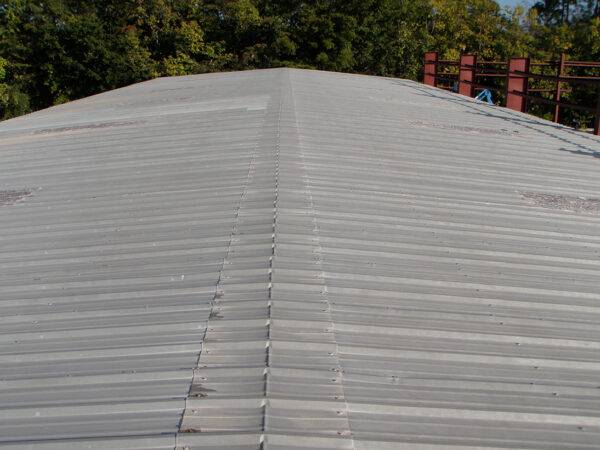
How to Restore a Commercial Metal Roof
It is the process of renewing an aging metal roof instead of tearing it off right away. The work usually starts with cleaning the surface, making needed roof repairs, sealing vulnerable details, and installing a coating system over the existing assembly. Done correctly, it helps protect the building while delaying major replacement costs.
This is not just about covering problems. Good metal roof restoration work starts with understanding how the existing roofing system is performing. A qualified roofing contractor should evaluate seams, fasteners, penetrations, transitions, drainage, and any visible damage before recommending a plan. That is why roof inspections are such an important first step.
When the existing metal roofing is still structurally sound, restoring can make a lot of sense. It gives owners a way to improve performance without taking on the disruption and cost of a full roof replacement before it is truly necessary. In many situations, commercial roof restorations extend the serviceable life of aging commercial roofing assemblies.
When Is Your Roof a Good Candidate
Surface rust, minor leaks, and worn fasteners do not always mean the whole system is done. Many metal roofs can still perform well after proper repairs and a professional coating application.
A good candidate usually has a stable substrate and limited underlying moisture issues. If the metal roof panels are badly deteriorated or the structure has severe damage, then replacing it may be necessary. That is why a serious roofing company should never recommend it without first looking closely at the existing roof and the related systems.
This is especially important with commercial metal buildings, where the assembly often ties into insulation, fasteners, flashing details, and other connected systems. The roof cannot be evaluated in isolation. Every part of the assembly affects how well the final result performs.
Not every commercial roof should be restored. Some metal roofs have too much deterioration, trapped moisture, or structural decline to make it worthwhile. Common disqualifiers include widespread saturated insulation, severe deck deterioration, major structural movement, or damage that has spread far beyond the roof surface itself. In those situations, metal roof restoration is usually not the responsible answer because the problems go deeper than seams, flashing, or surface wear. A good roofing contractor should be willing to say when a system has moved past the point where roof restoration makes financial and practical sense.
What Happens During the Process
The first phase is preparation. The roof has to be cleaned well enough for new materials to bond properly. Dirt, oxidation, residue, and loose material can all interfere with performance. After cleaning, the crew handles detail work, which may include replacing fasteners, sealing seams, addressing rusted areas, and correcting isolated trouble spots across the roof.
Once prep is complete, the chosen material is installed. Depending on the condition of the metal roof and the manufacturer’s specifications, the system may include seam reinforcement, flashing treatment, and field application across the full surface. This is where silicone roof coatings and related systems need to match the existing assembly. Not every product fits every roof. Metal roofs move. As temperatures change, the metal panels expand and contract, and that movement puts stress on fasteners, seams, penetrations, and transition details. That is one reason metal roof restoration has to be designed around the existing roof profile and condition instead of treated like a simple surface application. If those movement points are not addressed correctly during prep and detail work, the new system may not perform the way the owner expects.
Some projects use acrylic coatings, while others use white silicone roof coatings that can help reflect heat, protect the roof from ongoing weather exposure, and support longer-lasting performance when the existing system is still a good candidate for a repair and restoring project. What matters most is not the brand name alone. It is whether the product, prep work, and application method fit the specific metal roof in front of you.
Why Owners Choose Restoration Instead of Replacement
The biggest reason many owners consider restoring is cost. A full replacement often means tear-off, disposal, interior disruption, and a larger capital expense. It usually costs less because it builds on the existing assembly instead of removing it.
There is also less disruption to daily operations. Many commercial projects happen on occupied buildings, which means owners care about noise, access, safety, and workflow. A metal roof restoration project is often easier to manage than a full replacement, especially on facilities that need to stay open.
Another benefit is planning. A property owner may not be ready for replacing it this year, but they still need to deal with leaks and surface wear now. A well-executed project can stabilize the roof, improve performance, and buy time for future budgeting.
Still, there are limits. If the roof has widespread moisture intrusion, severe corrosion, or structural failure, then replacing it is usually the better answer.
The Role of Coatings in Metal Roof Restoration
The success of a metal roof project often depends on the quality of the surface prep and the performance of the selected material. In a well-designed system, the new coating finish helps seal the surface, reinforce vulnerable areas, and protect the commercial roof from ongoing exposure.
That does not mean every job is a true restoration. A good plan should include repairs, detail work, and product compatibility review. To simply spray on foam roof coating material across a failing metal roof is not enough. The goal is to strengthen the existing metal roofing assembly, not hide its problems.
This is one reason coatings have to be installed carefully. They are part of larger systems, not magic fixes. When paired with proper prep and targeted repair services, they can support long-term commercial roofing performance. When a coating is applied over unresolved issues, metal roofs often fail early.
Why Florida Buildings Need a Smart Roofing Plan
In Florida, weather moves fast, and small issues on a commercial roof can become large ones in a hurry. Heat, UV exposure, wind-driven rain, and storms all put pressure on roofing materials. That is why owners of commercial assets need a plan that goes beyond waiting for visible leaks.
Routine inspections, proactive repairs, and the right timing all matter. Commercial roof maintenance services play a major role here. A metal roof that gets checked regularly is far more likely to qualify for restoring before major damage forces a full replacement.
A thoughtful commercial roofing strategy will help extend service life, improve waterproofing, and support better building protection. Instead of waiting until the roof reaches failure, owners can make decisions earlier, protect the building, and keep control over budget timing. In many cases, a commercial roof restoration system can also improve day-to-day roof performance in ways owners care about. A better sealed system can help reduce recurring leak calls, slow surface deterioration, and create a more uniform layer of protection across problem areas that have been patched over time. On some buildings, reflective systems may also help reduce heat buildup at the surface, which can support broader efficiency goals for the property. Even after being restored, the metal roof still needs ongoing maintenance services. Periodic inspections, drain checks, sealant review, and follow-up maintenance help protect the investment and catch small issues before they turn into larger problems. That is especially important on commercial roofs, where movement, weather exposure, and aging details can gradually affect performance over time.
Choosing the Right Contractor
Contractors should explain whether your roof is a strong candidate for roof restoration or whether replacing is the more responsible recommendation. They should be able to walk through the existing condition, the proposed scope, the expected performance, and the limits of the work.
That level of honesty matters because every system is different. Different profiles, fastener patterns, seam details, and penetrations create different challenges. The best commercial roofing results come from matching the right solution to the actual building, not from forcing the same pitch onto every owner.
Is it Right for Your Metal Roofing
A full tear-off is not always the first or best answer for an aging commercial roof. When the assembly is still sound, restoration can help protect your property, reduce disruption, and delay unnecessary replacement. For many owners, it is the practical middle ground between minor patching and a full replacement.
When handled correctly, metal roofing and other related roofing assemblies can often stay in service much longer than owners expect. The key is proper evaluation, quality prep, and a plan built around the condition of the existing metal roof. Done right, commercial roofing systems can keep performing without immediately replacing them after the first signs of wear.
Whiting Roofing Restoration Services
If your commercial roof has leaks, rusting, or signs of wear, now is the time to have it evaluated. The right metal roof restoration services plan can extend lifespan, reduce disruption, and help you avoid an unnecessary roof replacement. Whiting Roofing has served the area for over 40 years, specializing in commercial and industrial flat deck roofing, including SPF systems, using in-house crews to complete the work. Our services range from metal roof repair to full replacement. Contact Whiting Roofing to schedule an inspection and find out whether your metal roof is a strong candidate for restoration.