
A silicone roof coating can help protect an aging metal roof when the existing system is still in repairable condition. For South Florida property owners, that matters because heat, rain, humidity, and storm seasons put steady pressure on every roof.
Whiting Roofing works with commercial properties across South Florida that need practical roofing guidance, not a rushed sales pitch. Sometimes a roof coating can extend service life. Sometimes the roof needs targeted repair first. Sometimes replacement is the better call. The right answer starts with the condition of the roof.
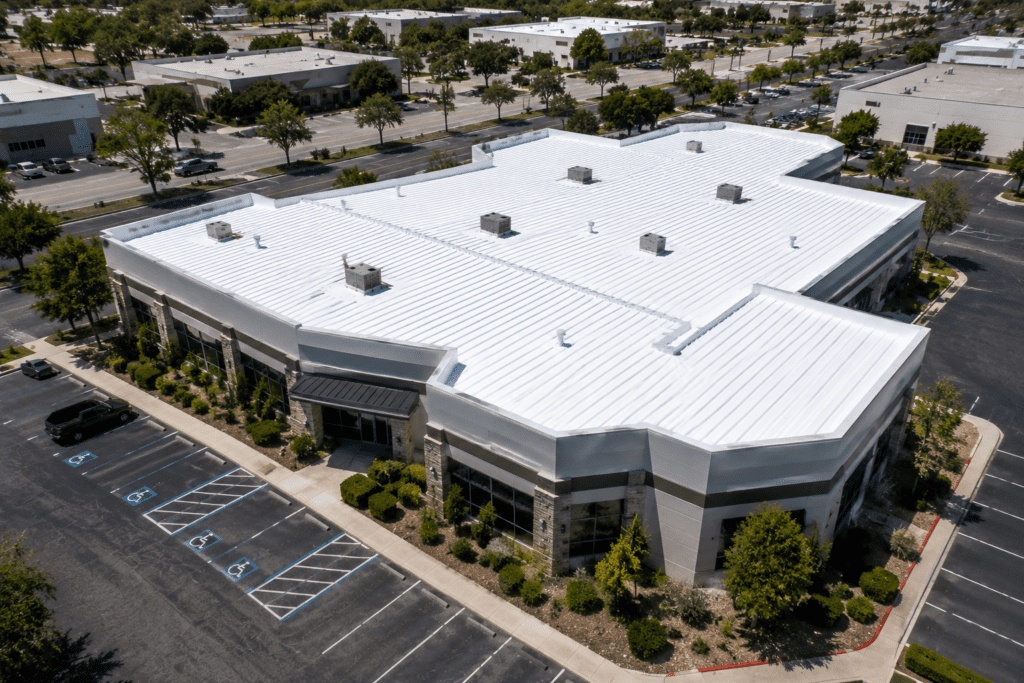
Why Silicone Coatings Work on Metal
A metal roof expands and contracts throughout the day. Panels move, seams shift, and fasteners can loosen over time. Silicone has enough flexibility to handle normal movement when the surface is prepared correctly.
A silicone roof system can also stand up well to UV exposure and heavy rain. That is one reason silicone is often considered for South Florida roof systems. The coating creates a protective layer over properly prepared metal roofing and helps shield the roof from weather exposure.
Silicone is also known for ponding water resistance. That matters because many commercial roofs have low areas where water does not drain as quickly as it should. Roof coatings should not be used to ignore drainage problems, but silicone coatings can be a better fit than some other coatings in wet areas.
What Roof Coatings Can Improve
Reflective roof coatings can help lower roof temperature on hot days. That cooler surface reduces heat stress on the system and may support better comfort inside the building.
The coating also helps protect seams, fasteners, and weathered surfaces when those areas are detailed correctly. A silicone coating is not just a top layer. It is part of a restoration approach that depends on inspection, prep, repair, and proper application.
Good roof coatings can help slow wear, improve surface protection, and reduce exposure to sun and rain. But they cannot correct hidden damage, loose panels, severe rust, or failed flashing by themselves.
Prep Work Decides the Result
A silicone roof project should never begin with crews simply opening a bucket. The roof has to be inspected, cleaned, repaired, and detailed before crews apply anything.
Before application, the surface needs to be free of dirt, loose rust, failed older coatings, oil, debris, and loose roofing materials. Seams, penetrations, curbs, fasteners, and edges need close attention because those areas often create leak paths.
South Florida weather also affects application. Humidity, rain, surface heat, and afternoon storms can all change the timing. Whiting Roofing looks for the right conditions before crews apply the coating so the product can bond and cure the way it should.
Product Names Are Only Part of the Decision
Property owners may come across Gaco Roof, or GAF silicone while researching roof coatings. Those names can help start the conversation, but product choice should never come before roof evaluation.
The right coating depends on the roof surface, drainage, slope, previous coatings, property use, and long-term plan. Some systems may need primer. Some systems may need seam reinforcement. Some roofs need repairs before any coating should be discussed.
Whiting Roofing does not treat coatings like generic building materials. It must fit the roof, the weather, and the property. That is especially true with commercial roofing, where a bad recommendation can affect tenants, inventory, equipment, and operations.
Commercial Roofs Carry More Risk
A commercial roof is not the same as a small residential project or an RV roof. Larger buildings usually have more penetrations, more drainage challenges, more rooftop equipment, and more foot traffic from service crews.
Commercial and industrial properties also need roofing systems that limit disruption. A well-planned silicone roof coating may help restore protection without a full tear-off when the roof qualifies. That can be valuable for owners who need to protect the building while keeping operations moving.
The important part is qualification. Coatings work best when the roof is still a good candidate. If the roof has major rust-through, saturated insulation, widespread movement, or failing details, coating over those problems is the wrong move.
When a Roof Coating Is Not Enough
Silicone is useful, but it is not magic. A coating should protect a roof that still has service life left. It should not hide a roof that is failing.
If Whiting Roofing finds serious damage, the recommendation may be repair before coating or replacement instead of coating. That honesty matters in South Florida because storms expose weak work quickly.
Roof coatings are only as good as the roof beneath them. The smartest plan is the one that fits the actual condition of the system.
Talk to Whiting Roofing About Your Metal Roof
If your South Florida metal roof is aging, leaking in isolated areas, or showing wear from sun and rain, silicone roof coatings may be worth considering. The next step is not guessing from a product label. It is having the roof inspected by a roofing team that understands commercial buildings and South Florida conditions.
Whiting Roofing can review your roof, explain what they find, and help you decide whether roof coating, repair, or replacement is the right path for your building.