
Apartment Roofers
Apartment roofs require more planning than a typical residential project. Crews must work safely around residents, vehicles, walkways, landscaping, and shared entrances. Property managers also need clear schedules and reliable updates so they can communicate with residents before work begins.
We provide roof repair, replacement, maintenance, waterproofing, coating, and emergency services throughout Florida. Our team works with shingle, tile, metal, and flat roofing systems found across multi-family housing units.
Before recommending any work, we inspect the property and identify the cause of the problem. Not every leak requires a new roof. When targeted repairs or maintenance can extend the existing roof’s life, we explain those options first.

Licensed Roofing Contractors
Whiting Roofing is a licensed Florida roofing contractor with more than 40 years of roofing experience. Our Florida roofing license number is CCC1333740.
Licensing matters because the contractor must follow state and local requirements for permitting, product approvals, installation, and inspections. Multi-family roofing projects may also involve several buildings, different roof elevations, and more than one roofing system.
Our team understands how Florida’s heavy rain, intense sunlight, humidity, salt exposure, and high winds affect roofs. We use roofing materials and installation methods suited to the building, roof design, and local weather exposure.
We are also insured for the type of work we perform. Property managers can request current licensing and insurance documents before work begins.
Contact Us
Roofing Services
Apartment building communities need roofing support throughout the system’s life. Some properties call us for one active leak. Others need ongoing maintenance across several buildings or a phased replacement plan.
We tailor the scope to the property, budget, roof type, and urgency of the work.
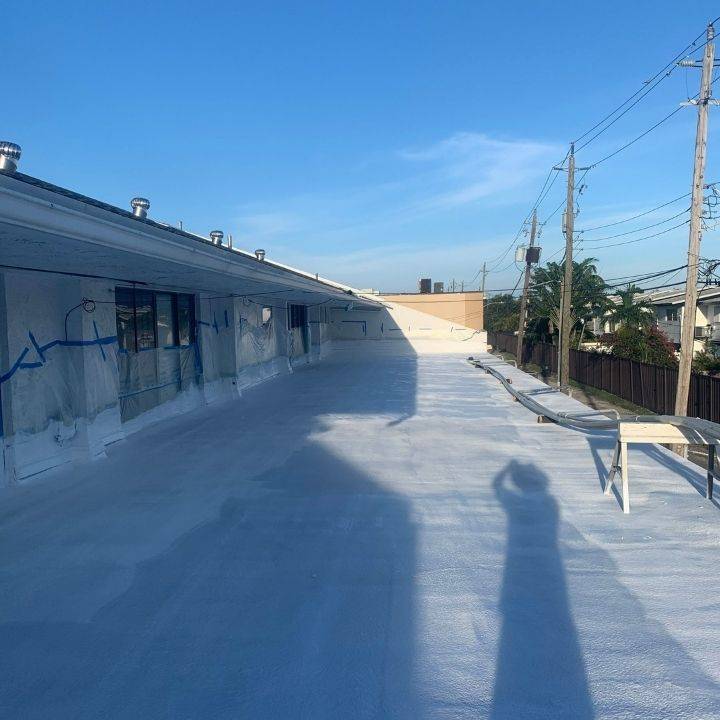
Repair
A roofing repair should correct the source of the problem, not simply cover the visible symptom. Water can enter around flashing, penetrations, seams, fasteners, damaged materials, or poorly drained sections. It may then travel beneath the roofing system before appearing inside a unit.
We inspect the affected area and look beyond the ceiling stain. Depending on the roofing system, repairs may include replacing broken tiles, securing loose shingles, repairing membrane seams, replacing damaged flashing, sealing penetrations, or removing deteriorated material.
When practical, we match the existing roofing material and limit the repair services to the affected section. We also document what we find so property management can keep accurate repair records.

Replacement
Replacement may be necessary when deterioration is widespread, moisture has reached the underlying system, or repairs no longer provide dependable results. It may also be the better financial decision when several buildings require frequent service calls.
We begin by evaluating the roof covering, flashing, drainage, penetrations, insulation, and accessible decking. That information helps us determine whether the project requires a full tear-off or whether another approved approach may be possible.
We coordinate material delivery, dumpsters, equipment, work zones, parking restrictions, and resident access with property management.
We can help prioritize the work. Buildings with active leaks, widespread deterioration, or greater storm exposure can be addressed before more stable sections.
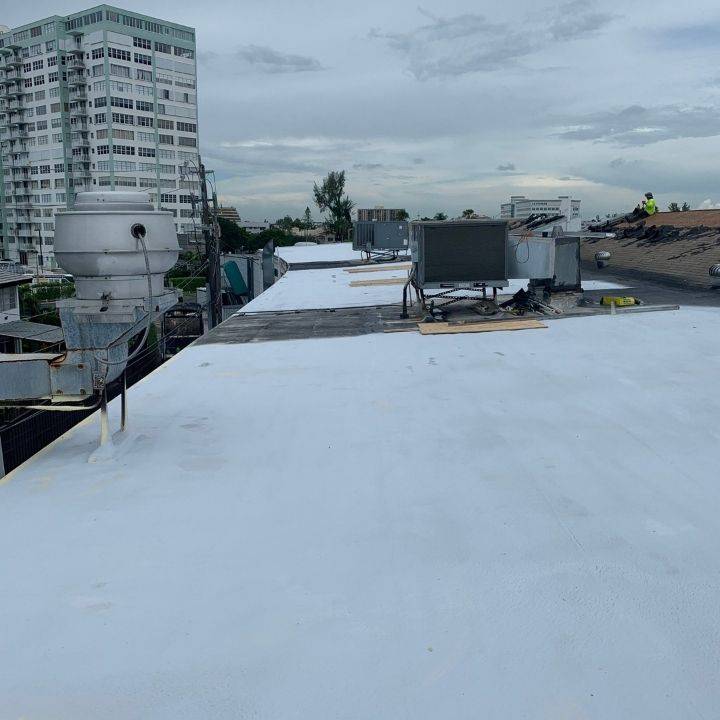
Maintenance
Our multi-family roof maintenance services can prevent minor roof defects from developing into leaks that affect several apartments. It can also help a roof reach more of its expected service life.
Our maintenance roofing services can include roof inspections, drainage cleaning, debris removal, flashing checks, sealant repairs, and attention to minor defects. We maintain shingle, tile, metal, flat, coated, and SPF roofing systems.
Annual roof inspection may be enough for a newer roof. Older systems, heavily wooded properties, and coastal communities may benefit from semiannual services.
We can provide photographs and maintenance records after each visit. These records help property managers track changes, protect applicable warranties, and plan future repair or replacement roofing services.
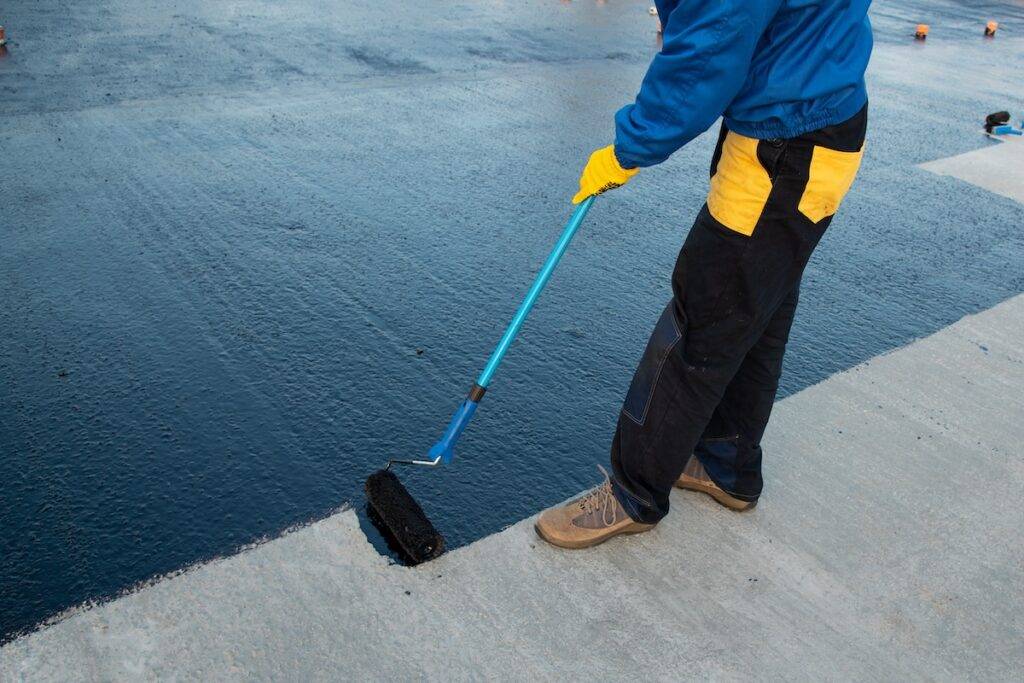
Waterproofing
Apartments often have more water-sensitive areas than the main roof alone. Balconies, walkways, courtyards, plazas, decks, parapet walls, and roof transitions can also allow water into occupied spaces.
We inspect the affected surface and determine how water is entering. The correct waterproofing method depends on the substrate, slope, traffic level, drainage, and existing materials.
Our waterproofing options can include elastomeric systems and pedestrian or specialty deck coatings. These products must be applied over properly prepared surfaces at the correct thickness.
A waterproof coating cannot repair rotten decking, trapped moisture, structural movement, or failed drainage. We address those conditions before applying a new waterproofing system.
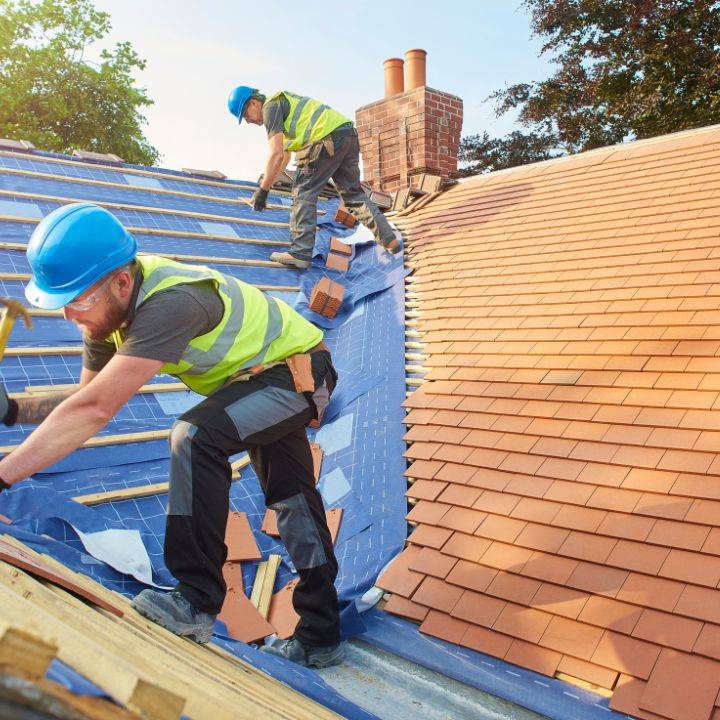
Roofing Emergency
An roof leak can affect several residents quickly. Water may spread through attics, shared walls, electrical areas, ceilings, and common spaces before the source is located.
Whiting Roofing provides 24/7 emergency roof repair service. In many situations, we can respond the same day after a sudden leak, fallen tree, or storm-related opening.
Our first priority is limiting additional water intrusion. Temporary commercial roofing solutions may involve tarping, sealing, patching, or redirecting water, depending on the roof and weather conditions.
Temporary tarping is not a permanent repair. Once conditions allow, we return to inspect the damage and recommend the work needed to restore the roof properly.
Roof Systems We Install
Many apartments use more than one roofing system. A property may have shingles over residential buildings, panels over entrances, and a flat roof above offices or shared facilities.
We evaluate each section as part of the same property. This helps management avoid coordinating separate contractors for every roof type.
Shingle Roofing
Architectural asphalt shingles are common on apartments, townhomes, and garden-style communities with pitched roofs. They offer a familiar appearance, several color choices, and practical costs for large properties.
A shingle roof must be installed as a complete system. The shingles work with the underlayment, starter materials, flashing, hip and ridge products, ventilation, and approved fastening pattern.
Florida wind exposure makes attachment especially important. Incorrect nail placement, insufficient fasteners, or poorly sealed roof edges can allow shingles to lift during high winds.
We inspect the roof decking and surrounding details before installation. Damaged plywood, flashing problems, and ventilation concerns should be corrected before the new shingles cover them.
Tile Roofing
Concrete and clay tiles are common on Florida apartments with Mediterranean and Spanish-inspired designs. They provides strong curb appeal and can perform for many years when the complete system is installed correctly.
The tiles are only the visible part of the roof. The underlayment, flashing, fastening method, valleys, penetrations, and roof transitions provide critical water prevention.
Broken or displaced tiles should be addressed promptly. Once the underlayment becomes exposed, Florida sunlight and heavy rain can accelerate its deterioration.
Tile is also heavier than many other roofing materials. Before recommending tiles for a new installation or material change, we consider the building’s structure and applicable code requirements.
Metal Roofing
Metal roofing offers long service life, strong weather resistance, and a clean appearance. It can be used across complete buildings or as an accent over entrances, porches, and common areas.
Standing seam systems reduce the number of exposed fasteners across the main roof surface. Other systems may use exposed fasteners that require periodic inspection and maintenance.
We pay close attention to panel attachment, seams, closures, flashing, penetrations, and transitions. These details help the system resist wind-driven rain and movement caused by temperature changes.
Coastal properties may also require materials and finishes suited to salt exposure. The specific panel, coating, and attachment method should match the property’s location and roof design.
Flat Roofing
Flat and low-slope systems are commonly installed over corridors, clubhouses, offices, utility areas, and larger residential buildings. Options may include TPO, EPDM, modified bitumen, built-up roofing, and SPF.
The correct system depends on roof slope, drainage, existing construction, rooftop equipment, foot traffic, energy goals, and budget. No single flat material is best for every apartment property.
Flat roofs require careful work around seams, drains, scuppers, curbs, walls, and penetrations. Small defects in these areas can allow moisture to spread beneath a large section of roofing.
Before replacement, we determine whether the existing insulation and substrate are dry and stable. Trapped moisture should not be covered with another roofing layer.
Roof Coatings
A roof coating may extend the service life of an aging metal or flat roof when the existing system remains suitable for restoration. Roof coatings can create a renewed protective surface without the cost and disruption of a complete tear-off.
We first inspect the roof for trapped moisture, loose materials, failed seams, deteriorated flashing, and drainage problems. Necessary repairs and surface preparation must be completed before coating begins.
Silicone is often considered for roofs exposed to ponding water and heavy rain. Acrylic and elastomeric products may work well on other approved surfaces and drainage conditions.
An apartment roof coating should be installed as a complete system, not treated as a layer of paint. Product compatibility, adhesion, reinforcement, application rate, and finished thickness all affect its performance.
How We Handle a Project
Apartment roofing work must protect the buildings without creating unnecessary problems for the people living beneath them. We coordinate the project with property management before crews, equipment, or materials arrive.
Our planning covers access, resident notices, parking, material storage, noise, debris, landscaping, and daily cleanup. We also establish who can approve changes and who should receive project updates.
When possible, we divide the work into controlled sections. This limits the number of residents affected at one time and helps maintain safe access around the property.
Resident-Friendly Roofing Process
Resident communication should come from property management. We provide schedules and work-zone details so managers can notify residents before each phase begins. Our crews do not discuss project costs, roof conditions, or future plans with residents unless management authorizes us.
We protect entrances, sidewalks, landscaping, vehicles, and shared spaces near active work areas. If parking spaces or walkways must close temporarily, we coordinate those changes in advance whenever possible.
Daily cleanup is essential on an occupied property. We collect loose debris, manage discarded materials, and organize our work areas before leaving each day.
Clear Project Documentation
Property managers need a complete record of the roofing work performed across the community. Depending on the scope, we provide inspection photographs, written recommendations, proposals, schedules, progress updates, change documentation, and final project photos.
This documentation helps management track completed work, communicate with owners, and maintain accurate records for future repairs, budgeting, warranties, and replacement planning.
Apartment Roofing Experience
Our expert residential roofing experience allows us to evaluate properties with all types systems. One community may have TPO or modified bitumen over low-slope sections, tile over residential buildings, and metal over entrances.
We examine how these roofing sections connect instead of treating each material as a separate problem. This approach helps us identify vulnerable transitions and develop one coordinated plan for the property.
South Florida roofs must withstand heavy rain, strong sunlight, and high-wind conditions. We select materials and installation methods based on the roof design, applicable product approvals, building codes, and the property’s exposure.
Frequently Asked Questions
Apartment roofs cost vary on square footage, roof type, height, access, material, existing damage, and project complexity. The number of buildings and roof sections also affects labor, equipment, staging, and permitting.
A repair around one penetration costs much less than replacing several buildings. Every system also have different preparation and installation requirements.
Occupied properties may require additional planning for pedestrian safety, parking, debris control, equipment access, and phased work. Hidden moisture or damaged decking can also change the final scope.
We inspect the property before providing a price. Our proposal explains the recommended system, work included, project assumptions, and available options. This gives property managers a usable number for approvals, budgeting, or reserve planning.
The timeline depends on the number of buildings, roof size, system type, weather, permitting, material availability, and repair needs discovered during the work.
A targeted repair may take one visit. A single-building replacement may require several days. A large community with multiple buildings may be completed in phases over several weeks.
Florida rain can affect tear-off, coatings, adhesives, and other weather-sensitive work. We build the schedule around safe installation conditions rather than exposing occupied buildings to unnecessary risk.
Before the project begins, we provide an expected sequence and explain which buildings or areas will be affected. If weather or hidden conditions change the schedule, we update property management so residents can be informed.
Warranty options depend on the roofing system, manufacturer, project scope, installation specifications, and selected coverage. Whiting Roofing offers workmanship protection, along with applicable manufacturer material or system warranties.
Certain roof replacement systems may offer warranty terms ranging from 7 to 20 years. Specific coverage can vary, so we explain the available term, inspection requirements, maintenance obligations, exclusions, and transfer conditions in writing.
Some manufacturer warranties require documented inspections and ongoing maintenance. Work performed by unauthorized roofing contractors may also affect coverage. Certified roofers specialize in completing the work properly and maintaining proper procedures.
We review warranty options during the proposal process. Property managers should keep the final warranty, inspection reports, maintenance records, repair invoices, and project photographs together in the property’s roofing file.
Get a Quote for Your Roofing Project
Whether you’re managing an HOA or overseeing dozens of units, Whiting Roofing is your trusted partner for multi-family, apartment, and condominium roofing services.
Call us today or fill out our quick online form to schedule your free consultation and receive a no-obligation estimate. Let’s protect your property with a roofing system built to last.