
South Florida Condominium Roofers
Whiting Roofing works with condominium communities that need roofing handled with clear communication, proper documentation, and experience with multi-family properties. Condo roofing projects often involve HOA boards, property managers, and unit owners, so our team helps coordinate the process in a way that keeps decision-makers informed and residents aware of what to expect.
For condo associations, Whiting Roofing can provide inspections, project documentation, roofing recommendations, and clear information that can be shared with boards, managers, or ownership groups. This is especially helpful when planning reserve funding, reviewing roof conditions, or documenting storm-related roof damage.
Condo buildings can also include more than one roofing system. Whiting Roofing works with flat roof membranes, including TPO and PVC, along with tile roofing and standing seam metal systems commonly used on coastal and multi-family properties.

Experienced With Condo Communities Roofing
Condominium roofing requires more than technical installation experience. The contractor must know how to work around residents, parked vehicles, shared entrances, landscaping, balconies, walkways, and community amenities.
Before work begins, we coordinate schedules, staging areas, material deliveries, parking restrictions, equipment access, and resident notices with the property manager. We also establish who can approve changes and who should receive project updates.
Our crews do not discuss roof conditions, project costs, or association decisions with individual residents unless management authorizes us. This keeps communication accurate and prevents conflicting information from circulating through the community.
Whiting Roofing has more than 40 years of South Florida roofing experience. We understand how heat, humidity, salt air, heavy rain, and hurricane-force winds affect condominium roofs. Our team works with flat, tile, metal, shingle, coated, and SPF roofing systems across occupied multi-family properties.
Contact Us
Condominium Roofing Services
Condominium associations need different roofing services throughout the life of a building. Some properties require one targeted roof repair. Others need ongoing maintenance, waterproofing, restoration, or a phased replacement plan across several buildings.
We inspect the complete system before recommending work. Not every leak requires replacement, and not every aging roof is a good candidate for another temporary repair. Our job is to explain the condition and provide practical options.

Roof Repair
A roof leak can affect several units before the source becomes obvious. Water may enter around flashing, walls, penetrations, drains, seams, or damaged materials. It can then travel beneath the roofing system before appearing inside a unit.
We trace the leak instead of repairing the first visible defect. Depending on the system, the work may include replacing broken tiles, repairing membrane seams, securing metal components, replacing flashing, sealing penetrations, or removing deteriorated roofing material.
When the damage is isolated and the surrounding roof remains serviceable, a targeted roof repair may extend the system’s useful life. We document our findings so management has a record of the problem and completed work.
If repeated repairs are no longer producing dependable results, we explain why a broader restoration or replacement should be considered.
Roof Replacement
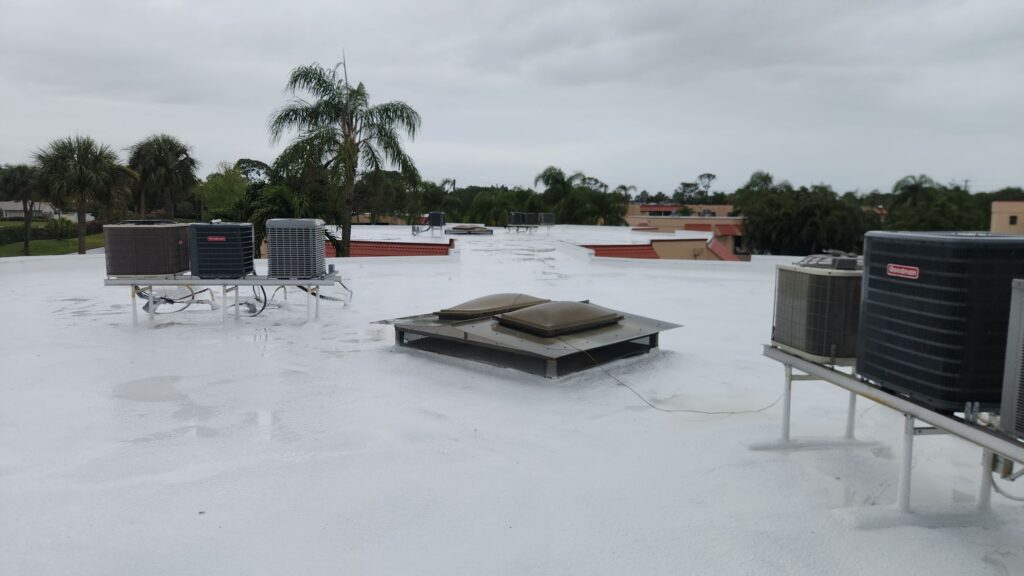
Roof replacement becomes necessary when deterioration is widespread, moisture has damaged the underlying system, or ongoing repairs no longer make financial sense.
We begin with an inspection of the roof covering, flashing, drainage, penetrations, insulation, and accessible decking. This helps us determine the required scope and identify conditions that may affect the project.
We then develop a replacement plan based on each building’s condition, design, and existing roofing. Condominium roof replacement also requires careful logistical planning. We coordinate tear-off areas, material loading, dumpsters, equipment, pedestrian routes, parking, balconies, and daily cleanup with management.
Large communities may not be able to replace every building roof at once. We can help prioritize buildings based on active leaks, moisture damage, material condition, roof repair history, and storm exposure. This allows the association to complete the work in planned phases when appropriate.
Maintenance
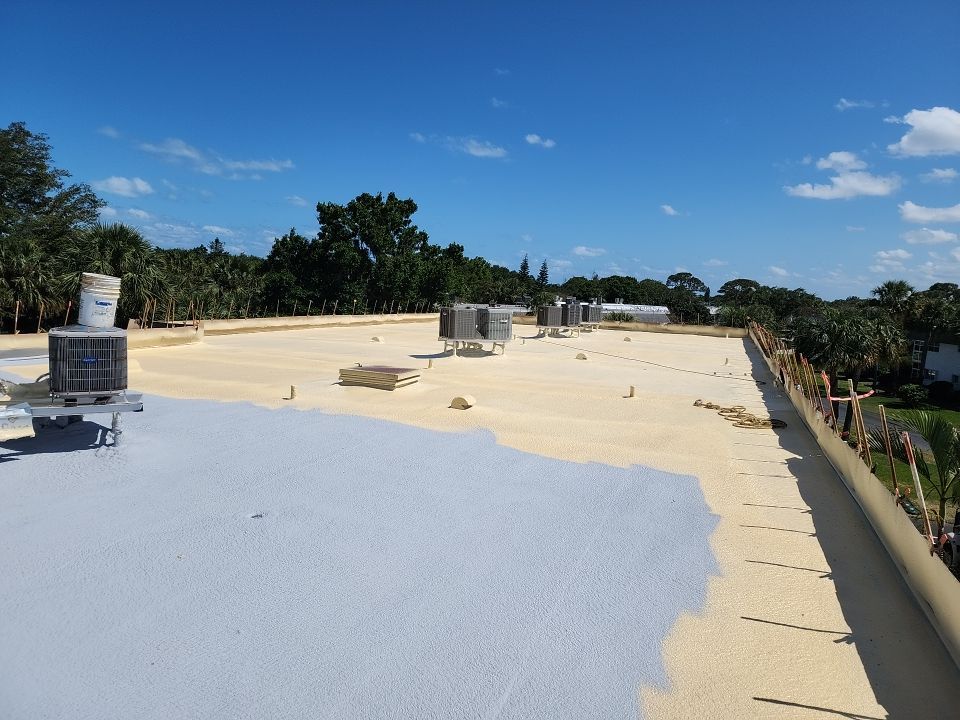
Regular roof maintenance helps condominium associations catch problems before they affect multiple units. It can also help the existing roofing system reach more of its expected service life.
Our roof maintenance services may include scheduled inspections, debris removal, drainage cleaning, sealant checks, flashing repairs, and attention to minor surface defects. We inspect vulnerable areas around roof edges, penetrations, walls, drains, scuppers, gutters, and rooftop equipment.
We can provide photographs and written reports after maintenance visits. These records help managers track changing conditions, support applicable warranty requirements, and prepare for future capital improvements.
Maintenance frequency depends on the roof age, material, location, and roof repair history. Many condominium roofs should be inspected annually. Older roofing systems, coastal buildings, and properties with recurring problems may benefit from semiannual service.
Waterproofing
Water can enter a condo building through more than the main roof. Balconies, walkways, plaza decks, courtyards, parapet walls, split slabs, and below-grade areas can also develop leaks.
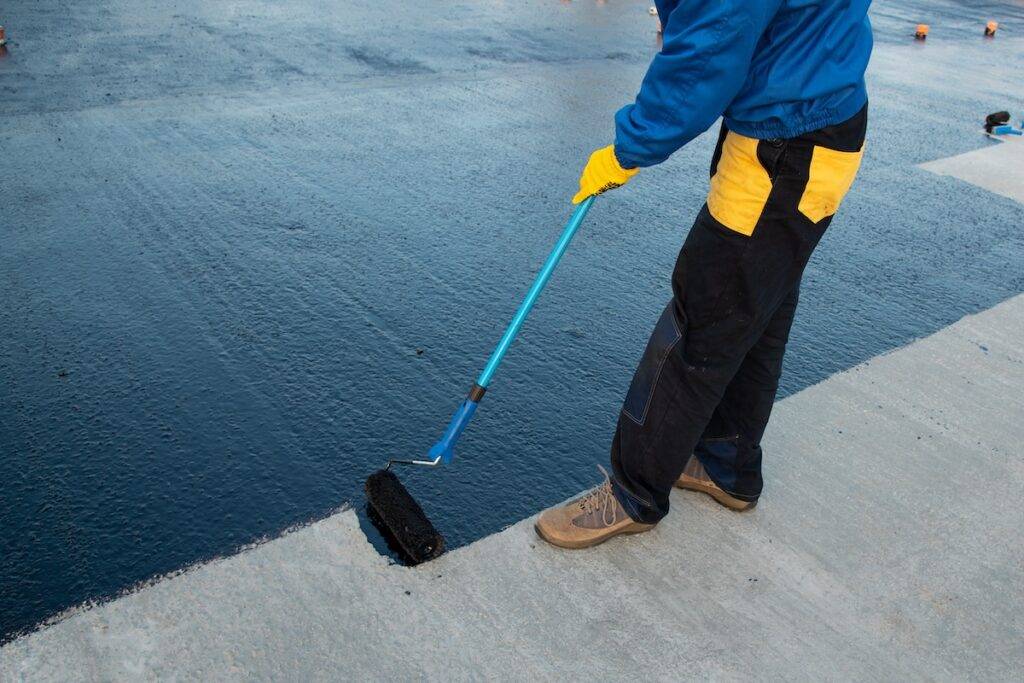
We inspect the affected area and determine how water is moving through the assembly. The correct waterproofing method depends on the roofing surface, slope, drainage, traffic level, existing coating, and underlying system.
Our waterproofing services can include elastomeric systems, pedestrian deck coatings, specialty roof coatings, and solutions for certain below-grade structures.
Waterproofing products must be installed over sound, properly prepared surfaces. A coating cannot correct rotten decking, structural movement, trapped moisture, or failed drainage. We identify and address those conditions before applying a new system.
Experience with Large-Scale Projects
We’ve completed roofing projects for everything from 4-unit townhomes to sprawling 100+ unit apartment complexes. Our experienced crews know how to scale efficiently, organize job sites, and deliver consistent quality, regardless of the development size.
Minimal Disruption to Tenants
We work hard to limit disruptions and noise. We provide advance notices to residents, schedule work during appropriate hours, and maintain a clean job site. It’s all part of our commitment to professionalism and respect for your tenants.
Licensed, Insured, and Compliant
Whiting Roofing is fully licensed, insured, and up to date on local building codes and safety regulations. We carry all required certifications and ensure our roof work meets or exceeds regulatory standards. Your roofing project is in the hands of qualified professionals.
Transparent Communication with Property Management
From the initial roofing estimate to the final inspection, we keep you informed. Property managers and HOA boards appreciate our detailed proposals, consistent updates, and clear timelines. You won’t be left wondering what’s next or dealing with unpleasant surprises.
Roofing Systems We Install
The right roofing system depends on the building’s slope, height, structure, drainage, design, wind exposure, maintenance needs, and available budget.
Some communities use one material across the property. Others need several systems because flat sections, residential buildings, towers, entrances, and common areas have different roof designs.
Shingle
Architectural shingles can be a practical option for low-rise condominium buildings with pitched roofs. They provide a familiar appearance, several color choices, and a manageable replacement cost across larger communities.
A shingle roof must function as a complete system. The shingles work with the underlayment, starter materials, hip and ridge products, flashing, ventilation, and approved fastening method.
Florida wind conditions make installation especially important. Incorrect nail placement, insufficient attachment, or weak roof-edge details can allow shingles to lift during storms.
We inspect the decking, ventilation, flashing, and surrounding components before installing the new materials. Damaged plywood and other underlying problems should be corrected before the roof is covered.
Tile
Concrete and clay tiles are widely used on Southern Florida condominium properties. They complement Mediterranean and coastal architecture while providing a long-lasting roofing surface when installed and maintained correctly.
The tile is only the visible portion of the roofing system. Underlayment, flashing, valleys, penetrations, fastening, and roof transitions provide essential water protection.
Broken or displaced tiles can expose the underlayment to direct sunlight and rain. This exposure can shorten the roof service life and create a path for water intrusion.
Tile is also heavier than many other roofing materials. We consider the existing structure and applicable requirements before recommending tile for a new installation or material change.
Metal
Metal roofing provides long service life, strong weather resistance, and a clean appearance. Standing seam systems are often selected for condominium buildings, coastal properties, entrances, and architectural accents.
Metal roof performance depends on more than the panels. Seams, clips, fasteners, closures, flashing, penetrations, and edge details must accommodate wind and thermal movement.
Taller condominium buildings may experience greater wind pressure at roof edges, corners, and elevated sections. The panel system and attachment method must be selected for the building’s design pressures and applicable approvals.
Coastal communities should also consider corrosion resistance. We select the metal, finish, accessories, and fasteners based on the property’s location and exposure.
Flat
Flat and low-slope roofing systems are common on condominium towers, clubhouses, corridors, garages, mechanical areas, and shared facilities. Options can include TPO, PVC, EPDM, modified bitumen, built-up roofing, and SPF.
TPO and PVC use heat-welded seams to create a continuous membrane across the roof. These reflective systems can work well on buildings exposed to intense Florida sunlight.
Modified bitumen provides a layered asphalt-based system suited to many low-slope applications. SPF creates a fully adhered, seamless roof surface and can add insulation while accommodating complex roof shapes.
The best material depends on the roof’s drainage, existing roofing, rooftop equipment, foot traffic, energy goals, and budget. We inspect the building before recommending a system.
A flat roof also requires reliable drainage. We evaluate slopes, drains, scuppers, gutters, and ponding areas as part of the roofing plan.
Coatings
A roof coating may extend the life of an existing flat or metal roof when the underlying system remains dry, stable, and properly attached. Restoration can reduce tear-off costs and limit disruption to residents.
Before coating a roof, we inspect for trapped moisture, loose materials, failed seams, deteriorated flashing, and drainage problems. Necessary repairs and roof surface preparation must be completed first.
Silicone coatings can perform well on approved roofs exposed to ponding water and heavy rain. Acrylic and other elastomeric systems may be appropriate for different substrates and drainage conditions.
A roof coating is not simply paint. The product must be compatible with the existing roofing surface and applied at the required thickness. Seams, penetrations, fasteners, and transitions may also require reinforcement before the field coating is installed.
Service Area For Condos
Whiting Roofing provides commercial, residential, condominium, and multi-family roofing services across Florida’s east coast. Our primary service area extends from Palm Beach County north through Martin, St. Lucie, Indian River, Okeechobee, and Brevard counties.
This area includes coastal and inland communities with different roofing exposures. Oceanfront condos may face stronger winds and salt air, while inland properties still deal with intense heat, heavy rain, humidity, and tropical storms.
Our regional experience helps us evaluate roofing materials based on the conditions they will face. We also understand the importance of prompt communication when a community needs repairs, roof maintenance, or emergency service.
Property managers outside these counties can contact us to discuss the project location and scope.
Frequently Asked Condo Roof Questions
We generally recommend inspecting a condo roof at least once each year and after major storms. Older roofs, coastal buildings, and systems with recurring leaks may need semiannual inspections.
Scheduled inspections help us find failed sealants, drainage restrictions, open seams, damaged flashing, broken tiles, and other defects before water reaches occupied units.
Post-storm inspections are also important when no leak is immediately visible. High winds can loosen materials or damage attachments without creating interior symptoms until the next heavy rain.
The property’s warranty may include additional inspection and maintenance requirements. We recommend reviewing those terms when establishing the schedule.
Tile, metal, TPO, PVC, modified bitumen, and SPF are common across Florida commercial condo properties. The correct material depends on the building’s slope, height, structure, design, and exposure.
Tile is widely used on pitched roofs because it complements Florida architecture and can provide a long service life. Standing seam metal is also selected for pitched roofs, towers, entrances, and architectural sections.
TPO and PVC are common on flat and low-slope buildings. Their heat-welded seams and reflective roofing surfaces suit many condominium applications. Modified bitumen and SPF can also provide dependable options for certain roof designs.
Building height matters because elevated roofs can experience substantial wind pressure, especially at corners and edges. The roofing system, attachment method, and perimeter details must meet the building’s specific requirements.
We do not recommend a material based on appearance or price alone. We inspect the roof and consider drainage, wind exposure, maintenance, rooftop equipment, and long-term ownership costs.
The timeline depends on the building’s size, height, roof system, access, permitting, material availability, weather, and underlying conditions.
A low-rise condominium building may take several days. A large community or taller building may require several weeks or a phased schedule. Projects involving multiple buildings, extensive tear-off, damaged decking, or several roofing systems usually require more time.
Florida rain can also affect tear-off, adhesives, coatings, and other weather-sensitive work. We plan the project to avoid exposing occupied buildings when conditions are unsuitable.
Before work begins, we provide an expected schedule and explain which areas will be affected during each phase. If weather or hidden damage changes the timeline, we update property management so residents and board members remain informed.
Whiting Roofing
With more than 40 years of Florida residential, commercial, and apartment roofing experience, Whiting Roofing understands the planning and communication condo communities require. Our licensed team works with managers and association boards to provide clear recommendations for repairs, maintenance, waterproofing, and roof replacement. Contact us today to schedule an inspection of your condominium roofs and free estimate.