
Wind Damage Roofing Services in Florida
High winds are part of life in Florida. From seasonal storms to powerful hurricanes, roofs across the state are exposed to forces that test every component of a roofing system. We work with homeowners and property owners every week who are dealing with wind damage, and the pattern is always similar. The damage is not always obvious at first, but it almost always gets worse when it is ignored.
At Whiting Roofing, we specialize in inspecting, repairing, and replacing roofs affected by wind events across Florida. Our job is to identify what has shifted, loosened, or failed, and then recommend the right solution based on the actual condition of the roof. Sometimes that means a targeted repair. Other times, replacement makes more sense. What never helps is guessing.


How Wind Damages a Roofing System
Wind does more than blow shingles off a roof. It creates pressure changes that stress materials in multiple directions at once. Edges, ridges, corners, and roof penetrations take the hardest hit. These are also the areas where we most often find damage during inspections.
As wind moves across the roof surface, uplift forces develop. Shingles can lift slightly, which breaks the adhesive bond holding them in place. Once that bond fails, the shingle rarely reseals properly. Even if it looks flat from the ground, it may no longer protect the roof the way it should. Over time, one lifted shingle allows wind to reach the next, and the damage spreads.
Flying debris is another common cause of wind-related roof damage. Tree limbs, yard furniture, fencing, and even roofing materials from nearby buildings can strike a roof during high winds. Impact damage does not always cause visible cracks. It often bruises the shingle mat, loosens fasteners, or damages flashing connections. These problems reduce water resistance and shorten the roof’s remaining lifespan.
In Florida, cumulative wind exposure matters. Roofs are stressed year after year. Adhesives dry out. Nails can back out slightly. Seal points lose tension. Many of the damaged roofs we inspect were performing adequately just one storm season earlier. Wind damage is often progressive, not sudden.
Get a Free Quote
Wind Damage Roof Repair Services
Targeted Shingle and Material Repairs
When wind damage affects isolated areas, we remove compromised materials and replace them with properly matched components. Repairs focus on restoring the roof’s ability to seal, resist uplift, and shed water consistently across the surface.
Flashing and Vent System Repairs
Wind-shifted flashing creates some of the most persistent leaks we see. We secure, reseal, or replace flashing around chimneys, vents, skylights, and roof edges to restore watertight connections.
Emergency Wind Damage Repairs
After major wind events, temporary stabilization may be necessary. We secure loose materials, control active leaks, and protect exposed areas to prevent further damage while long-term repair plans are developed.
Roof Insurance Claims
We provide detailed inspection findings, photo documentation, and repair scopes that reflect observed damage. Our goal is to present clear, factual information that helps homeowners navigate the claims process with confidence.
Common Signs of Wind Damage
Some wind damage is easy to spot. Other signs only appear once moisture enters the structure. Knowing what to watch for can help homeowners act before small issues turn into expensive repairs.
On the roof surface, common signs include missing shingles, lifted or creased shingles, and exposed underlayment. Shingles that lift and fold under wind pressure often crease along the centerline. Even if they settle back down, the crease remains, and the shingle no longer sheds water correctly. When underlayment is exposed, it begins to degrade quickly under sun and moisture.
Flashing, ridge caps, and vent covers are frequent problem areas. Wind targets transitions and penetrations. These components can loosen or shift without being obvious from the ground. They are often the first entry points for water after a storm.
Inside the home, warning signs include ceiling stains, damp insulation, musty odors, or changes in indoor air quality. Moisture trapped in attic spaces creates conditions that lead to mold growth and wood deterioration. Any of these signs should prompt a professional roof inspection.

Why Wind Damage Is Often Missed
Many wind-related roofing issues are not visible from the yard or driveway. That does not make them harmless. During inspections, we regularly find adhesive failure, nail pull-through, and lifted shingle edges that homeowners could not see from below.
A common misconception is that a roof is fine if it does not leak right after a storm. Wind damage often shows up later. A roof may get through a wind event without leaking if rain was light or short-lived. Problems frequently appear days or weeks later when materials shift further or when heavy rain follows. By then, water may already be moving through insulation or decking.
Early inspection matters. It helps identify damage while repairs are still straightforward and before secondary damage develops.
What Our Wind Damage Roof Inspections Include
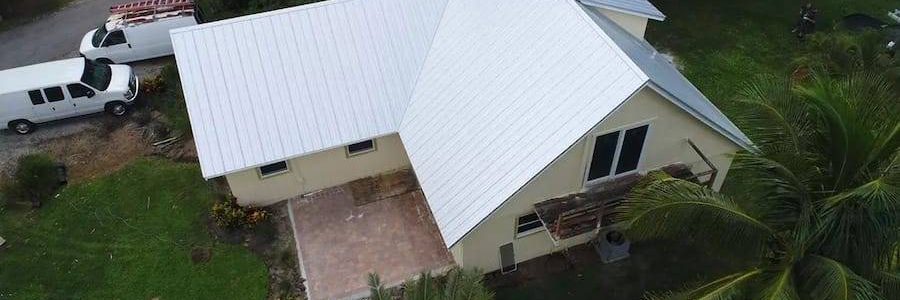
Our inspections are designed to evaluate the full roofing system, not just the surface. We examine shingle condition, fastening patterns, flashing integrity, ridge systems, and roof penetrations. When appropriate, we inspect attic spaces to assess moisture movement and decking condition. We document our findings clearly using photos and written notes. Homeowners receive a straightforward explanation of what we found, what needs attention, and what can wait. When insurance is involved, proper documentation becomes especially important.
How Wind Damages Different Roofing Materials
Asphalt Shingles
Shingles are built to withstand Florida’s weather, but high winds can lift edges, break seals, and tear shingles away. Once the wind finds a weak spot, it can peel back sections like a sticker. Missing shingles expose your underlayment and decking to rain and sun.
Tile Roofs
Tiles look tough, but sharp wind gusts can dislodge, shift, or even break them. Uplift is common—especially if the wind gets underneath, causing tiles to shift or fly off. Sometimes damage is easy to miss until leaks start.
Metal Roofs
Metal roofs handle wind well if properly installed, but storms can still loosen panels or fasteners. We’ve seen panels lift or flutter, especially along the edges or ridge. Seams and screws need close inspection after a wind event.
Flat Roofs
Commercial buildings and modern homes with flat roofs face membrane tears or edge damage during windstorms. Debris often punctures the membrane, letting water seep below the surface.
Flat Roofs
Metal Roofing
Tile Roof
Asphalt Shingle
Why Homeowners Trust Whiting Roofing for Wind Damage Roofing
You need more than a general contractor. You need a roofing company that understands Florida’s storm seasons, building codes, and weather risks. At Whiting Roofing, we bring:
- Decades of combined experience with hurricane and wind damage
- Same-day emergency response for active leaks
- Certified installers and licensed roofing crews
- Transparent estimates and no-pressure repair recommendations
- Workmanship warranties and material coverage
We’ve helped homeowners throughout Southeast Florida protect their homes after serious wind events. We’re based here, we live here, and we treat every roof like it’s our own. We provide wind damage roofing services across the Treasure Coast and Palm Beach regions of Florida, including:
- Palm Beach County
- Martin County
- St. Lucie County
- Indian River County
Whether your property is oceanfront or inland, we arrive prepared and ready to work. Our teams are fully equipped for emergency tarping, inspection, repair, or full replacement.
Contact Us
Schedule a Wind Damage Roof Inspection
Wind damage rarely improves on its own. Early inspection helps limit repair scope and reduce long-term costs. If your home or building has experienced high winds, we recommend scheduling an inspection as soon as possible. We will assess the condition of your roof carefully and provide clear recommendations based on what we find.