
Roof Sealing Services
Roofs aren’t built to last forever. But sealing them? That’s one way to extend your roof’s lifespan and prevent expensive problems. At Whiting Roofing, we help Florida property owners stop leaks, block UV damage, and extend the life of their roofs with expert sealing services backed by years of real-world experience. If you’re seeing small cracks, peeling layers, or discoloration on your roof, or just want to prevent those issues, roof sealing might be the right next step.


What Is Roof Sealing and Why Does It Matter?
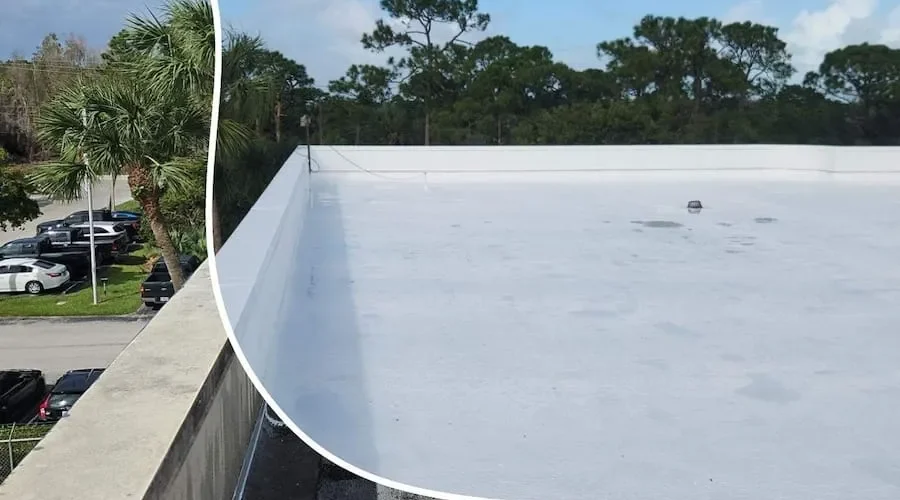
Roof sealing is the application of a protective coating over your roof’s surface. Sealants come in types such as acrylic, silicone, elastomeric, and bitumen. Each form bonds to your roof material to block water, resist UV rays, and slow wear. A sealed roof keeps moisture out (that stops leaks) and reflects more sunlight (that cuts cooling costs).
Sealing makes a roof act as a tighter shield against Florida’s storms. It fills tiny cracks and smooths rough patches. That process reduces the chance of mold growth and staining on your ceiling. Sealants also slow granule loss on asphalt shingles. When granules wash away, underlying layers wear faster. A fresh sealant extends your roof’s lifespan, giving you more years before a full replacement. For property managers, that means fewer service calls and lower repair budgets.
Get a Free Quote
Our Roof Sealing Solutions
We work with single-ply, metal, and low-slope roofing systems. For TPO and EPDM roofs, we apply a primer so the new coating bonds tightly and creates a seamless surface. On standing seam metal roofs, we first use a rust-blocking primer, then seal each fastener with mastic before adding the final protective coating.
Elastomeric and Acrylic Coatings
Elastomeric and acrylic coatings flex as the roof expands and contracts with temperature changes. They can cover small cracks and protect against sun damage, making them a great choice for built-up and modified bitumen roofs. We apply the coating in two thin layers, sprayed or rolled, allowing each one to dry properly so it sticks well.
Silicone and Polyurethane Sealants
Silicone holds up under ponding water and salt air, a constant along Florida’s Intracoastal towns. Polyurethane adds impact strength that stands up to foot traffic near HVAC curbs. We specify each chemistry based on roof type, slope, and exposure profile, then back our choice with manufacturer data sheets at the proposal stage.
Spray polyurethane foam (SPF) forms a seamless envelope that seals fastener rows on aging metal panels. Once cured, we topcoat the foam with a high-solids silicone layer that shields it from ultraviolet light. This system is ideal for extending the life of older roofs without the need for a full tear-off.
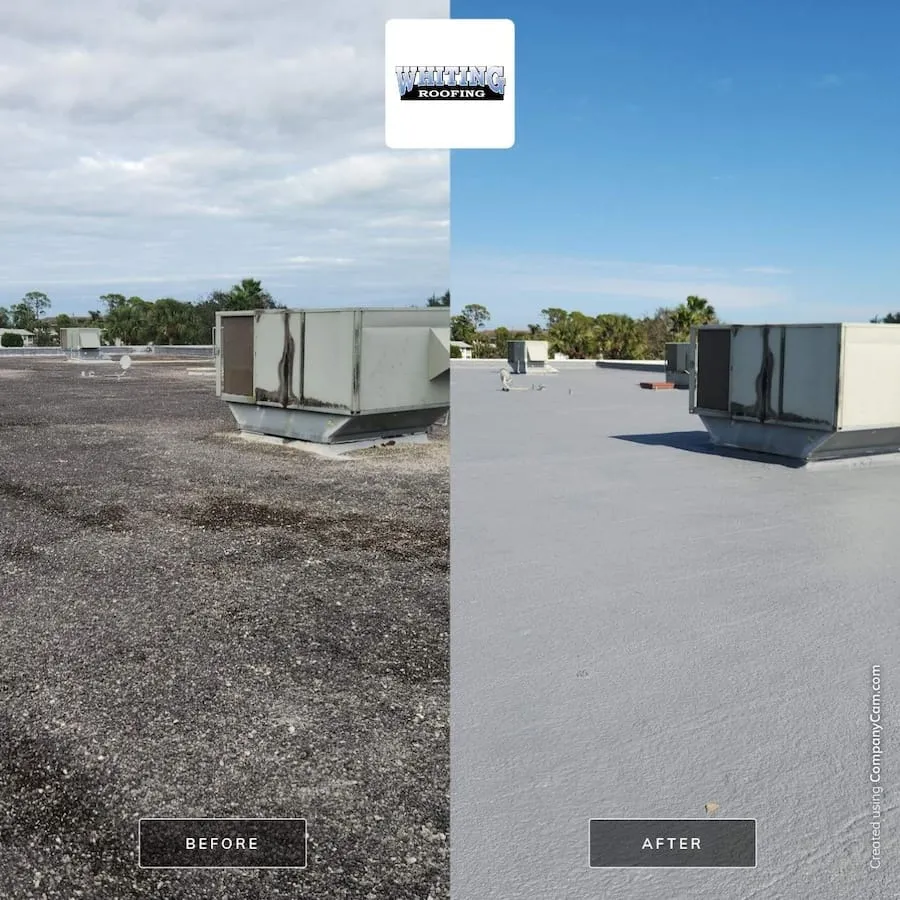
Our roofers help property managers and owners determine when roof coatings are a smart alternative to full replacement. In many cases, a high-quality roof coating for your flat roof can add years to your current system’s lifespan while lowering internal building temperatures and preventing future leaks.
Is Roof Sealing Right for Your Roof?
Not every roof qualifies for sealing. Some are too damaged or too close to the end of their life cycle to benefit from a coating. But for many property owners, sealing makes financial and structural sense.
Ideal Roof Types for Sealant
- Flat roofs (commercial or residential): These often suffer from standing water. Sealants help manage that risk.
- Metal roofs: Sealant can reduce corrosion and keep seams watertight.
We’ll recommend sealing only if it’s going to extend your roof’s life and make it perform better. If not, we’ll say so.
When Sealing Isn’t Enough
If your roof has major cracks, rotted decking, or sagging sections, sealing won’t help. Those are structural problems that require real repair. We don’t seal over damage. That only hides the issue and delays the real fix. During our inspection, we’ll document any concerns and let you know your full range of options.
Why Choose Whiting Roofing for Roof Sealing?
Plenty of South Florida roofing companies offer roof sealing. Few bring the level of detail, training, and customer care that Whiting Roofing delivers on every job.
Trusted Florida Roofing Experts
We’re not a national company with out-of-town crews. We live and work in the communities we serve. That matters when your roof is exposed to the elements year-round. Our team understands local roofing materials, building codes, and how the weather affects roof systems from Palm City to Vero Beach. We’ve sealed everything from metal warehouses to residential flat roofs. You’ll get straight answers and clear service every time.
Quality Materials and Expert Application
Every product we use has been tested and proven in Florida conditions. We partner with trusted manufacturers (such as GAF and Seal Bond) and apply coatings according to their specifications. Our technicians follow a detailed prep and application process, checking bond strength and coverage at each stage. That consistency makes the difference between a quick fix and a long-term solution.
Warranty and Satisfaction Guarantee
We back our work. Depending on the sealant used and the condition of your roof, you may receive a limited warranty covering material and labor. We’ll walk you through it before the job starts. More importantly, we make sure you’re satisfied with the result. If something doesn’t look right, we address it, without excuses.
Why Florida Roofs Need Regular Sealing
Florida demands regular maintenance. Sun, salt, and storms all wear sealants faster than in cooler regions. UV rays break down polymer chains in coatings over time. Salt air near coastal areas speeds corrosion on metal roofs. Hard rains can force sealant into cracks and lift it away when water recedes.
Heavy storm seasons bring flying debris that scuffs surfaces. That roughens the sealant, reducing reflectivity and letting heat in. A new sealant layer restores that reflective finish and fills damage. Annual inspections catch trouble early. If you live in Palm Beach County or a coastal part of Martin County, plan to have a roof sealant applied every five years at minimum. Inland areas like Okeechobee can stretch up to eight years, but humidity still plays a role. Timely resealing keeps roofs tight against mold and algae that thrive in damp heat.
How Often Should You Seal Your Roof in Florida?
Roof life varies by material and climate. Other factors that influence timing include roof slope, shade coverage, and previous coat performance. Regular checks save money by preventing hidden rot or decking damage. As a baseline:
- Metal roofs: reseal every 20 to 50 years depending on initial paint
- Flat roofs (TPO, PVC): only near the end of it’s life span, roughly 18 to 20 years
We don’t recommend applying roof coatings to shingle or tile systems, as they aren’t designed for it. Coating these materials can trap moisture and lead to long-term issues like rotting or damage to the roof deck.
Contact Us
FAQs About South Florida Roofing
Most sealants maintain full protection for five to eight years, depending on type and exposure. Silicone products can last up to 20 years, even near coastal areas.
Sealants fill surface cracks and block moisture entry. If we detect leaks during your initial roof inspection, we repair flashing and underlayment before applying the roof sealing materials.
Yes, provided the current film is securely bonded and free from moisture. We perform adhesion tests and core cuts to confirm.
Yes, you will see a difference in the appearance of your roof when a new coating is applied.
Get a Free Roof Sealing Estimate Today
If your roof is showing signs of wear, or you want to avoid major issues before they happen, Whiting Roofing is ready to help. Let us inspect your roof and explain whether sealing is a smart move for your property. Our roof sealing services are available across South Florida, including:
- Palm Beach County
- Martin County
- Indian River County
- St. Lucie County